Languages
Wednesday, October 14, 2026



News and Views from the Global South
Cuba
Adaptation Finance Shortfalls Leave Developing World Exposed
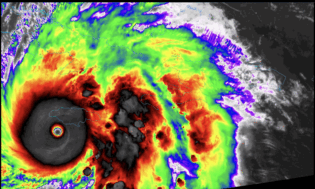
Hurricane Melissa made landfall in Jamaica yesterday—the strongest hurricane to impact the island on record since 1851—with expectations of tens of thousands of people being displaced and devastating damage to infrastructure. The tropical storm, slightly downgraded but nevertheless devastating, made landfall in Cuba today as UNEP’s newly released Adaptation Gap Report 2025: Running on Empty shows that the finance needed for developing countries to adapt to the climate crisis is falling far behind their needs.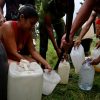
Water Supply Issues Keep Flowing in Cuba
Problems such as hydraulic network breakdowns, water lost through leaks, power outages, and even fuel shortages are making access to water supply services difficult for the population in Cuba
New Law in Cuba Makes Investing in Renewable Energy Sources Mandatory
With Decree 110, published on 26 November, Cuba made it mandatory for major consumers, whether they are state or private entities, to invest in the use of renewable energy sources, while the energy crisis facing the country worsens.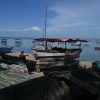
Cuba’s Coastal Dwellers Mitigate the Effects of Climate Change
Every time a hurricane clouds the skies over the city of Manzanillo, in the eastern Cuban province of Granma, the sea pounds the Litoral neighbourhood, forcing many of the 200 families who live there to evacuate inland because of flooding. When the weather is calm, the sea penetrates subtly and constantly, salinizing the water table and eroding the coast, affecting the foundations of houses and artesian wells.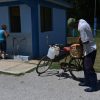
A Cuban Town Improves Water Quality Through Desalination
Overnight, hundreds of people in the rural community of Las Mangas, located in Granma province in eastern Cuba, realised something they had already suspected: that the water they had been drinking for decades was not exactly crystal clear, but rather “salty”, as they say.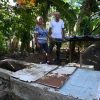
Cuban Family Harnesses Biogas and Promotes its Benefits
Just to obtain a good fertilizer it was worth building a biodigester, says Cuban farmer Alexis García, who proudly shows the vegetables in his family's garden, as well as the wide variety of fruit trees that have benefited from biol, the end product of biogas technology.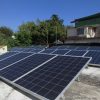
Better Incentives Needed to Expand Solar Energy in Cuba
With a bolder policy and flexible payment mechanisms, perhaps Alexis Rodríguez would have opted for solar panels for his home, instead of the portable generator that has made it possible for him to weather the frequent blackouts caused by Cuba's recurrent energy crises.
Cubans Are Waiting for a Major Boost to Low Emissions Transport
Jorge Sarmientos said he made a good investment when he bought an electric motorcycle to get around and avoid the anxiety suffered by the users of Cuba's deficient public transportation system or the high prices of private alternatives.
Housing in Cuba, a Problem with no Solution in Sight
To emigrate to the United States and fulfill her hopes for a better life, Ana Iraida sold almost all of her belongings, including the apartment that, until her departure, saved her from the uncertainty of living in rented housing in Cuba, a country with an unresolved housing crisis.
Innovative Family Farm in Cuba Uses Mix of Clean Energies
Combining technologies and innovations to take advantage of solar, wind, hydro and biomass potential has made the Finca del Medio farm an example in Cuba in the use of clean energies, which are the basis of its agroecological and environmental sanitation practices.
Growing Feminization of Migration in Cuba Poses New Challenges
Emigrating from Cuba was an agonizing decision for Ana Iraida. She left behind family and friends; in her backpack she carried many hopes, but also the fear of facing dangers on the journey to the United States.
Energy Crisis in Cuba Calls for Greater Boost for Renewable Sources
Long lines of vehicles outside of gas stations reflect the acute shortage of diesel and gasoline in Cuba, which has had negative impacts on an economy that is highly dependent on fuel imports and has only a small proportion of renewable sources in its energy mix.
Biogas and Biomethane Will Fuel Development in Cuban Municipality
The first five biomethane-fuelled buses in the Cuban municipality of Martí will not only be a milestone in the country but will also represent a solution to the serious problem of transportation, while reducing emissions of greenhouse gases and bolstering local development.
Local Solutions Boost Sustainable Micro-Mobility in Cuba
The incorporation of small electric vehicles for public transport, together with initiatives that encourage the use of bicycles, represent opportunities and challenges for Cuba to sustainably and inclusively combat the chronic problems in urban mobility.
Cuban Innovator Uses Sunlight to Create a Model Sustainable Space
After making a model for a solar heater, installing solar panels and creating a device to dehydrate food with the help of the sun, Félix Morffi is turning his home into a space for the production and promotion of renewable energies in Cuba.
In the Face of Scarcity, Cubans Dream of Once Again Drinking Their Daily Cup of Coffee
While the Cuban government's plans to increase production begin to bear fruit, Mireya Barrios confesses that she seeks every possible way to enjoy a cup of coffee every day, in the face of high prices and scarcity.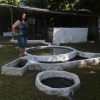
Biogas Production Awaits Greater Incentives in Cuba
Standing in front of a blue flame on her stove, getting ready to brew coffee, Mayra Rojas says the biodigester built in the backyard of her home in western Cuba has become a key part of her daily life and a pillar of her family's well-being.
Cuban Farmers Fight Land Degradation with Sustainable Management
Thorny bushes and barren soil made it look like a bad bet, but Cuban farmer José Antonio Sosa ignored other people’s objections about the land and gave life to what is now the thriving La Villa farm on the outskirts of Havana.
Cuba Steps Up Pace on Renewable Energy Expansion
Cuba has readjusted its plans to achieve at least 37 percent of electricity from clean energy by 2030, a promising but risky challenge for a nation that is a heavy consumer of fossil fuels and has persistent financial problems.
Cuba’s Power Crisis Drives Home Need to Accelerate Energy Transition
With aging infrastructure and problems with fuel supplies, Cuba is facing a crisis in its electric power generation system, which could accelerate plans to increase the share of renewable sources in the energy mix.
Cuba, a Small Island State Seeking to Manage Its Vulnerability
Cuba, already beset by hurricanes, floods, droughts that deplete its main water sources, among other natural disasters, has seen its socioeconomic difficulties, similar to those faced by other Caribbean island nations, aggravated by the COVID-19 pandemic.Next Page »





The Week with IPS

NEXT STOP - SDGs
Tracking global progress towards a sustainable world
Tracking global progress towards a sustainable world
