Languages
Wednesday, November 25, 2026



News and Views from the Global South
Politics
BALKANS: Discrimination Rife Within Kosovo
In the northern part of the ethnically divided city Mitrovica, 38 km north of Kosovo capital Pristina, 60 people have occupied an abandoned two-floor building. Among them is Alexander Damianovic, of Serbian ethnic origin, who arrived in Mitrovica in 2001 after transiting through various places in former Yugoslavia.EUROPE: Looking for Fishy Partners
'Fish, pay and go'. These three words have long been used by green and anti-poverty activists to describe a raft of agreements, signed since 1979, under which European Union vessels scoop up as much fish as they can find from the waters of about 20 poor countries in the wider world. Little, if any, heed has been paid to the damage inflicted on marine ecology or to people living in coastal communities.THAILAND: Muslim Insurgency Headache For New Gov’t
The twin attacks mounted by suspected insurgents in Thailand’s restive southern provinces this week offer a stark warning to the country’s next government of the unresolved conflict that it will soon inherit.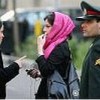
POLITICS-IRAN: Enforcing Islamic Dress Code May Cost Votes
When the government of President Mahmoud Ahmadinejad uncharacteristically denounced the country’s police force for strictly enforcing Islamic dress code (hijab) it was attributed to fears of losing popularity ahead of parliamentary elections in March.PAKISTAN: Beset By Multiple Crises
Food shortages, cold homes, political instability and internal security problems are haunting Pakistan’s embattled President Pervez Musharraf who appears helpless as multiple crises erode his legitimacy and his capacity to manage affairs of the state.POLITICS-KENYA: Annan's Weighty Terms of Engagement
Former U.N. chief Kofi Annan has his work cut out for him as Kenya 's tenth parliament is due to convene Tuesday amid calls from the opposition Orange Democratic Movement (ODM) for a 3-day mass protest beginning Wednesday.BRAZIL: Land Shortage Provokes Murders of Indigenous People
At least 76 indigenous people were murdered in Brazil in 2007, 58 percent more than in 2006. The killings increased the most in the west-central state of Mato Grosso do Sul, where the Guaraní people are confined to territories too small for them to maintain their traditional way of life.
RIGHTS: Afghan Prison Looks Like Another Guantanamo
As the world marked the sixth anniversary of the arrival of the first orange-jumpsuit-clad prisoners at the U.S. Naval Base at Guantanamo Bay, Cuba, human rights groups are attempting to focus public and congressional scrutiny on what some are calling "the other Gitmo".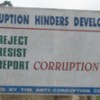
Q&A: ‘I Need the Support of the People To Get the Big Fish’
Since assuming office last September, Sierra Leone’s new president, Ernest Bai Koroma has publicly vowed to fight corruption. Koroma recently appointed Abdul Tejan Cole as the Anti Corruption Commissioner.IRAQ: Awoken to a New Danger
The newly formed 'Awakening' forces set up by the U.S. military are bringing new conflict among people.GREECE: Defending Nationalism In The Air
The European Commission (EC) announced a formal investigation Dec. 20 into complaints that the Greek state is illegally subsidising its national air carrier.GEORGIA: Protests Rise Over Elections
Leading opposition candidate Levan Gachechiladze has accused the Georgian government of widespread fraud in the last presidential election after the Central Election Commission released the final results declaring Mikheil Saakashvikli winner and new president.ECONOMY-BANGLADESH: Stagnating Under ‘Clean’ Interim Government
Bangladesh's military-backed interim government faced hard challenges on the political and economic fronts as it stepped into its second year on the weekend.POLITICS-CHINA: Taiwan Closer to Reunification
Despite Taiwan’s pro-China opposition landslide win in the weekend legislative elections, Beijing remains anxious about the outcome of the Mar. 22 presidential vote, anticipating surprise last-hour twists in an already fiercely contested race.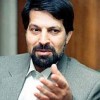
DEATH PENALTY-IRAN: Top Campaigner Harassed, Hangings Increase
Emaddedin Baghi, Iran’s leading anti-death penalty campaigner, is back behind bars in the country’s notorious Evin prison after intense harassment leading to his hospitalisation and concern that he may have suffered a heart attack.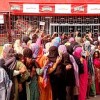
PAKISTAN: Food Shortages Dim Public Enthusiasm For Polls
While the drawing rooms of Pakistan’s rich and powerful are abuzz with speculations on who killed Benazir Bhutto, and whether or not the elections in February are going to be free and fair, the question on the minds of most ordinary people is how to get their daily bread.
RIGHTS-LATIN AMERICA: ‘Operation Condor’ Was No Mystery to Washington
The intelligence services of Peru and Argentina kept Washington informed in real time about a 1980 joint clandestine operation in which four alleged members of Argentina’s Montoneros guerrilla movement were "disappeared," according to documents declassified in the United States.RIGHTS-RWANDA: Children of the Genocide Struggle to Cope
What Gilbert Nshimyumukiza remembers most about the Rwandan genocide is that it started to rain as he and his brothers tried to carry his mortally wounded father back into their house.CHINA: Beijingers Under Siege as Olympics Tempo Rises
For a city in the middle of zealous Olympics preparations a public debate over its future, set off by an academic’s call to shift the national capital out of congested and parched Beijing, has been baffling.RIGHTS-KENYA: Plight of Kisii Refugees Grim
A group of men who a couple of weeks ago were busy at work huddle together idle. They have grown tired of rehashing tales of their horrendous experiences at the hands of their hitherto neighbours and friends. Now they watch the entrance to the church here, in the hope that any visitor brings something to silence their rumbling stomachs.DEVELOPMENT: Spare This EU Paternalism
When Senegal's President Abdoulaye Wade refused to sign a free trade accord put forward by the European Union last month, he urged that an alternative "partnership deprived of paternalism and without prejudice" be sought.« Previous Page — Next Page »


The Week with IPS

NEXT STOP - SDGs
Tracking global progress towards a sustainable world
