Languages
Monday, November 16, 2026



News and Views from the Global South
Poverty & MDGs
CLIMATE CHANGE: A Vision Worth Fighting For
Sweeping societal change is a slow and erratic business. The civil rights movement in the United States went nowhere for decades and then exploded in the 1960s. Not long ago, smokers could light up anywhere they pleased in Canada and the U.S. Now they are mostly confined to a few outdoor areas and as a consequence, far fewer people smoke.RIGHTS: A Fifth of EU Children in Poverty
Minimum levels of expenditure on addressing the causes of child poverty should be introduced across the European Union, according to a parliamentarian tasked with analysing the problem.DEVELOPMENT: U.N. Poverty Goals Face New Threats
The U.N.'s Millennium Development Goals (MDGs), aimed primarily at reducing poverty, hunger, disease and illiteracy, are being undermined by a rash of new problems threatening to cripple the ongoing efforts by developing nations to reach their targets by 2015.
CLIMATE CHANGE: The Fault Lies Not in Our Cars but in Ourselves
Rising levels of carbon dioxide (CO2) in Earth's atmosphere can be compared to a flooding river, swamping low areas at first but inevitably bursting its banks.BOSNIA: To the Future, With the Past Following
Close to 15 years after the siege of Sarajevo began, the city has recovered much of its past prosperity. But the wounds and memories of war are still around.PAKISTAN: Putting Development Back on the Agenda
Pakistan’s new prime minister has announced what many term a ‘revolutionary’ agenda: continue the ‘war on terror’ but on Pakistan’s terms, lift the long standing ban on student and trade unions, raise minimum wages, revoke ‘black’ media laws, provide relief for farmers and observe austerity.ASIA: Rising Rice Prices Threaten Aid Programmes
Rising rice prices are threatening to derail aid programmes run by international agencies while several governments on the continent are taking steps to see that shortages of the staple do not translate into social unrest and food riots.EDUCATION-SOUTH AFRICA: Making the Blackboard Jungle Less So
Violence in South African schools has claimed the lives of a number of children in recent years, while many more have been hospitalised with injuries.CLIMATE CHANGE: The Future Is Now
Our fingers are glued to the global thermostat, pushing it ever higher, and climate catastrophe has already begun to reshape human civilisation.NICARAGUA: Houses Without Water or Water Without Houses?
Authorities in Nicaragua are facing the dilemma of generating thousands of jobs through the development of the construction and real estate industry in the capital or putting a priority on future water supplies for the city’s 1.2 million people.CLIMATE CHANGE: Kyoto Protocol Targets Stressed at UN Meet
Negotiators from the developing world took on the world’s richer nations as the first round of talks began here for a new pact to curb global warming. The fate of the Earth’s future lies in the actions of the industrialised world, they say.
Q&A: "A World 'Unfit' for 2.2 Billion Children"
As the United Nations plans to commemorate the 20th anniversary of its landmark Convention on the Rights of the Child next year, the world's 2.2 billion children continue to suffer the consequences of growing poverty, rising illiteracy, increasing sexual abuse and widespread military conscription in conflicts worldwide./CORRECTED REPEAT*/IRAQ: Blackwater Fever Comes In New Ways
Iraqi doctors in al-Anbar province warn of the spread of Blackwater fever, a complication of malaria. Many Iraqis see that name as ominously one with Blackwater Worldwide, the U.S. mercenary company operating in Iraq.DEVELOPMENT-MALAWI: Water Utility Over-Stretched and Under-Maintained
Long known as a peaceful and quiet city, especially at night, Blantyre is steadily losing its reputation for tranquility. Residents now find themselves waking up to the hustle and bustle of women carrying metal and plastic buckets as they move around the city most nights and early mornings in search of water.DEVELOPMENT-EUROPE: Not All Aid Is Help
Rich countries have made "patchy progress" in honouring pledges to improve their contribution to the fight against global poverty, according to a new report.DEVELOPMENT: A Winding Journey From Seed to Plate
Ballooning food prices around the world are prompting a reevaluation of the underpinnings of aid practices that many analysts consider to be inefficient and, in some cases, counterproductive.INDIA-AFRICA: Competition Does Not Exclude Cooperation
India, with its growing economy, has set its expansion sights on Africa. In an effort to form links and partnerships on different levels with the people of Africa, India will host an Africa-India Summit in Delhi in April.Q&A: "We Have Managed to Make the Female Agenda a Current Affairs Issue"
Towards the end of last year, IPS reported on efforts to increase women's political participation in Zimbabwe, ahead of the Mar. 29 elections. As it happens, only about 13 percent of candidates for the House of Assembly are women - along with some 30 percent of Senate aspirants, according to statistics from the Women in Politics Support Unit, a local non-governmental organisation (NGO). So, what went wrong?ZIMBABWE: A Society "Not Ready for Female Leadership"?
Women make up about half the population in Zimbabwe. But, they're far from accounting for 50 percent of those on the ballot for this month's general elections in the Southern African country - sparking concern amongst gender activists.ZIMBABWE: A "Can Do" Approach to Greater Political Involvement of Women
With general elections taking place in Zimbabwe on Mar. 29, efforts have been underway to increase women's political participation in the Southern African country.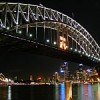
ENVIRONMENT-AUSTRALIA: Lights Out, Action! It’s Earth Hour
Organisers of Earth Hour 2008 estimate that in excess of 30 million people worldwide will take action on Saturday to raise awareness of how small changes can make big differences when it comes to climate change.« Previous Page — Next Page »


