Languages
Wednesday, October 14, 2026



News and Views from the Global South
Preventable Diseases - Africa
HEALTH: Namibia Makes Strides in Paediatric HIV
While paediatric HIV remains a growing concern throughout Southern Africa, Namibian doctors have managed to put high numbers of babies on the life-saving antiretroviral (ARV) treatment with the help of an early infant diagnosis (EID) programme based on dry blood sampling.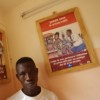
HEALTH-AFRICA: Phoney Choice Between Life and Death
Failure to sustain funding for HIV/AIDS treatment programmes could lead to a rising number of deaths, particularly in Africa.HEALTH-AFRICA: Where To Find A Million New Nurses?
If developing countries want to succeed in improving their health systems, they urgently need to decentralise them and shift tasks from doctors to nurses and community health workers, said experts at the Fifth International AIDS Society (IAS) Conference on HIV Pathogenesis, Treatment and Prevention in Cape Town.
HEALTH-AFRICA: Maintain Funding for HIV/AIDS Prevention
Health experts and scientists have accused the world's wealthiest countries of abandoning the goal of universal access to HIV prevention, care and treatment by 2010.
HEALTH-MADAGASCAR: Eight Women Die During Delivery Each Day
Eight Malagasy women die per day while giving birth, either due to complications during the pregancny or during delivery, according to a recently-published national Demographic and Health Survey (DHS).WATER-MAURITANIA: Govt Needs to Invest
Ndey Sall, a resident of Sixième, one of the poorest suburbs in the Mauritanian capital Nouakchott, spends the equivalent of a dollar a day on water. That's almost half of her income - not much left to pay for food, rent, or medicine if a family member falls sick.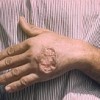
HEALTH-AFRICA: Neglected Diseases Under the Microscope
Neglected diseases, neglected people. Marcel Tanner uses the phrase to emphasise the attitude of drug developers towards tropical diseases that primarily affect the marginalised poor.HEALTH: Sri Lanka’s Battle With Dengue
Sri Lankan health authorities have had to combat an upsurge in cases of the lethal Dengue flu in the island nation this year. They have used mass man-power, public awareness campaigns and even threatened incarceration to stem the spread of the killer disease that has touched epidemic levels in the past six months. But it won’t be easy to stop the disease from spreading.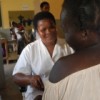
HEALTH-MOZAMBIQUE: Scant Progress With Paediatric HIV
Christina M.* looks worried as she cradles one of her sick twin babies. The mother of five already lost twins and another baby to illness soon after childbirth a few years ago.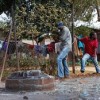
Q&A: Why Sanitation Is the Forgotten Sister
As part of the International Year of Sanitation in 2008, Zimbabwe developed a national strategy for sanitation, launched in February 2008. Just five months later, a cholera outbreak that was to claim over 4,000 lives began.SWAZILAND: Donor Support For Health Sector Drying Up
As the global economic downturn begins to take its toll on developing countries, Swaziland's health system - already strained by the burden of HIV/AIDS - has come under severe threat. The third of the national health budget which comes directly from donor agencies is abruptly drying up.HEALTH-SOUTH AFRICA: Mental Illness in HIV-Positive Patients Largely Ignored
Although mental disorders, such as depression and dementia, are a commonly associated with HIV, they remain largely undiagnosed in South Africa. Lack of human and financial resources for mental health are the main reason for this, researchers say.LESOTHO: Cultural Beliefs Threaten Prevention of Mother-Child HIV Transmission
A health centre in one of Lesotho’s poorest districts has scored significant success in implementing a prevention of mother-to-child HIV transmission (PMTCT) programme, but health experts warn that a number of factors, including cultural beliefs and stigma, threaten to derail it.BURMA: Nature Conspires Against Cyclone Victims, Denying Them Clean Water
A year after powerful Cyclone Nargis tore through Burma’s Irrawaddy Delta and southern Rangoon, killing tens of thousands of people, nature continues to play a cruel trick on survivors.HEALTH-AFRICA: Global Financial Crisis Leads to HIV Budget Cuts
International donors and African governments are likely to cut health budgets due to the global financial crisis. Health experts fear that increasing unemployment and poverty will lead to less food security and quality of nutrition, which will in turn put more stress on already weak health systems.
HEALTH-SWAZILAND: New Effort To Control TB
Swaziland saw a 5.6 percent increase in tuberculosis cases between 2008 and 2007. Out of a population of one million, 10,000 are infected with TB, one of the highest rates of TB infection in the world.LESOTHO: Help At Hand for Orphans
The Lesotho government - battling against the challenges presented by an ever-growing population of orphans whose parents have succumbed to the AIDS pandemic - has embarked on an ambitious programme aimed at alleviating the suffering of these vulnerable children, in partnership with the European Union and UNICEF.HEALTH-NAMIBIA: Eight Southern African Countries Team Up to Fight Malaria
Within the next twelve months, eight Southern African countries will synchronise their battles against malaria through cross-border collaboration. They hope to eliminate malaria in four of them by 2015.
HEALTH-ZAMBIA: Sanitation Backlog To Blame for High Child Mortality
Dehydration caused by severe diarrhoea is a key cause of infant deaths in Zambia, a country with one of the highest child morality rates in the world, according to a new report by Zambia’s health department.HEALTH-SWAZILAND: TB: ‘Indeed We Have a Problem’
The Swazi government's slow response to a fast-growing tuberculosis epidemic has eroded the possibility of controlling it.WATER-GUINEA BISSAU: Neglecting Infrastructure at the People’s Peril
The most recent cholera outbreak in Guinea-Bissau killed 225 people before it was brought under control in February; 14,000 people were infected by the water-borne disease, most of them in the capital, Bissau.« Previous Page — Next Page »





The Week with IPS

NEXT STOP - SDGs
Tracking global progress towards a sustainable world
Tracking global progress towards a sustainable world
