Languages
Tuesday, September 22, 2026



News and Views from the Global South
Syria

Syria’s Economy May Be Devastated for 30 Years
The almost three-year-old Syrian civil war has been a “silent war on human and economic development”, destroying the ability of ordinary Syrian citizens to maintain basic livelihoods, according to a report launched here Wednesday by two United Nations agencies.
Cracks Widen in U.S.-Saudi Alliance
While Monday’s meeting between Secretary of State John Kerry and Saudi King Abdullah may have helped calm the waters, the latest anxieties and anger expressed by Riyadh toward the United States has reignited debate here about the value of the two countries’ long-standing alliance.
For Kurdish Women, It’s a Double Revolution
"I got married when I was 14 and I already had four children at 20," recalls Nafia Brahim. In her fifties now, she is working hard so that no other woman loses control of her life.
Iraq Retakes Washington Centre-Stage, Briefly
Ten and a half years after invading U.S. troops ousted President Saddam Hussein’s Baathist regime, Iraq re-emerged here this week, if only briefly, as a major foreign policy agenda item.
Fragile Peace Holds on a Syrian Island
"The whole region is under control but be careful in the city centre," says a Kurdish militiaman at the eastern gate of Qamishli, 600 km northeast of capital Damascus, confirming rumours about breaches in Syria’s relatively stable northeast.
Syrians Under Siege Now in Egypt
Mahmoud Abu Yousef, 28, sits in one of the suburban subway stations of Egyptian capital Cairo selling socks. He had fled Syria with his wife and one-year-old child this February after his parents and three brothers were killed in the civil war that has been raging in his country since March 2011.
“Terrorist Groups Are Displacing Kurdish People”
Kurdish fighters have emerged as a powerful player in the Syrian war thanks to the Yekîneyên Parastina Gel (YPG - “People's Protection Units”), a seemingly well-organised armed group which has so far proved capable of defending the territory it claims in northern Syria.
Refugees Eating Dogs to Beat Starvation
Acute food shortages have reached desperate levels in the Yarmouk refugee camp in Damascus. Leading religious figures in the camps have issued a fatwa permitting the killing and consumption of cats, dogs, mice, rats and donkeys.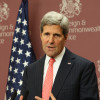
For U.S. in the Mideast, the Ice Is Getting Thinner
New and unexpected strains in Washington’s ties with two of its closest Middle Eastern allies -- Saudi Arabia and Turkey -- have underlined the difficult challenges the administration of President Barack Obama faces in navigating its way in the region’s increasingly treacherous and turbulent waters.
Riyadh Rebukes U.N. Security Council
When Saudi Arabia sought the presidency of the General Assembly in a bid for U.N. glory back in 1991, the oil-rich kingdom was facing Papua New Guinea in a race to head the highest policy-making body in the organisation.
Fractured Opposition Could Derail Syria Talks
Despite U.S. and Western pressure on the opposition to take part in U.N.-sponsored talks aimed at halting the two-and-a-half-year-old Syrian civil war, most experts here believe the rebels are unlikely to show up any time soon. And even if they do, the results will be unlikely to change much of anything on the ground.Syria Peace Talks ‘Scheduled for November’
International peace talks on the Syria conflict could take place next month, Syria's deputy prime minister has said.
Grief Veils Eid for Syrian Refugees
This week the Islamic world marks one of its holiest holidays, Eid al-Adha - honouring Ibrahim’s commitment to sacrifice his first-born son to Allah. The festival involves large family gatherings, bountiful lunches and generous gift giving.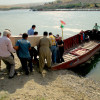
Kurds Build Bridges At Last
After fleeing the war three months ago, Gulnaz is headed back for Syria to bury her brother within the 24 hours Islam stipulates. But it is far from easy to take the coffin across the Syrian-Iraqi border.
Syrians Struggle with a Life of Sorts
Free Syrian Army fighters stand guard over the state cable company premises to avoid looting in Khan Al-Assal, a district 14 kilometres west of Aleppo. Much of the rest of the place seems a nightmarish ghost town.
Neoconservatives Despair Over U.S.-Iran Diplomacy
A week that began with a blistering denunciation by Israeli Prime Minister Binyamin Netanyahu of Iranian duplicity ended with diminished prospects for Israel to take direct action to address Iran's nuclear capabilities.
‘Interrogating’ an Assad Militiaman
The prisoner is led, handcuffed and dirty, into what until last year served as a school. “A shabiha,” said one of the anti-regime rebels in the room. “We found him two days ago at a checkpoint.”
Cracks Widen Among Syrian Rebels
Scorching flames from a makeshift oil refinery sting eyes and the fumes choke throats near the top of a hill in northwestern Syria, where Free Syrian Army (FSA) fighters gather for fuel, coffee and phone calls as darkness falls.
Speculation over Iran-U.S. Détente Continues Apace
On the eve of a possible – if seemingly accidental – encounter between U.S. President Barack Obama and Iranian President Hassan Rouhani in the corridors of the U.N. Secretariat building Tuesday, speculation over the possibility of détente between Washington and Tehran has become rampant.Israel Silent on Chemical Weapons
“Does Israel have chemical weapons too?” is the question posed by the U.S. publication Foreign Policy, citing a newly uncovered CIA document from 1983 which alleged that Israel is likely to have developed such weapons.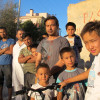
It’s Afghanistan Again in a Turkish Town
People run back home at dusk, just when the shooting intensifies. To Sha Mehmed the experience is familiar. He was 11 when he left his native Afghan village to settle in this small Turkish town on the border with Syria.« Previous Page — Next Page »


The Week with IPS

NEXT STOP - SDGs
Tracking global progress towards a sustainable world
Tracking global progress towards a sustainable world
