Languages
Wednesday, October 21, 2026



News and Views from the Global South
West Africa

WATER: Poor Sanitation Killing Liberia’s Young
Nineteen-year-old Beauty Phillips clutches her emaciated baby tightly to her chest. At seven months, Inga suffers from malnutrition.
CORRUPTION-SIERRA LEONE: Song Sparks Governance Debate
Nothing has ever sparked a debate on the state of governance in the country like the song released by one of Sierra Leone’s most popular artists, Emerson Bockarie.SIERRA LEONE: Claims Presidency Interferes with Judiciary
It may be seven years after the country’s civil war, but Sierra Leone is still battling to obtain an independent judiciary.WEST AFRICA: Helping Pirates to Plunder the Oceans
West Africa is one of the world’s regions most affected by pirate fishers. Illegal, unreported or unregulated fishing has been devastating local livelihoods and ecosystems for decades. National fisheries management authorities are often helpless to protect their maritime resources.
Q&A: “One Can’t Work 18 Hours a Day and Still be Poor”
Given the billions of dollars and euros that the U.S. and EU spend on trade-distorting support measures and the intractable lobby groups demanding these subsidies, these rich states’ promises to reduce such amounts will come to nought. It makes no sense for poor African states to allow these goods to flood their markets.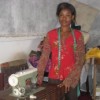
ECONOMY: Ghana Boosts Apprenticeships for Jobless Young Women
The small shack beside Marjorie Patterson's house encloses evidence of a hard day's work. Bags overflow with the bold prints of traditional African fabrics.RIGHTS-CAMEROON: The Reverend Raped Me
A countrywide survey of the incidence of rape in Cameroon has returned disturbing statistics: 20 percent of the nearly 38,000 women surveyed reported having been raped; another 14 percent said they had escaped a rape attempt.
SIERRA LEONE: New Dawn for Small Farmers?
They call her "Marie Nerica", after a new breed of rice.
AGRICULTURE-SENEGAL: Groundnut Production in Freefall
Farmers are complaining about a lack of technical assistance and the poor quality of seeds they've planted this year in the Kaolack region, Senegal's groundnut-producing area, 200 kilometres south of the capital Dakar.COTE D’IVOIRE: Without Better Storage, We Are Farming to Feed Insects
Every year, Robert Assalé, a farmer at Tangamourou in the Bondoukou region in east-central Côte d'Ivore, produces an impressive amount of yams. He harvested 30 tonnes in 2007, 42 tonnes in 2008 and has almost surpassed 50 tonnes this year.
SIERRA LEONE: New Agriculture Plan Sprouts
When in power, the Sierra Leone People's Party (SLPP) promised that thanks to its pursuit of a pro-agriculture agenda, no Sierra Leonean would go to bed hungry by 2007. But the appointed date came and the people were still hungry. Unfortunately for the SLPP, it was an election year.
HEALTH-AFRICA: Fresh Campaign Against Paediatric AIDS
Eleven years ago, Raloke Odetoyinbo had been married for two years and a month when she found out she was HIV positive.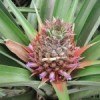
AGRICULTURE-COTE D’IVOIRE: Small-scale Pineapple Growers Want More Support
Karim Diabaté, looks questioningly at his vast 20 hectare pineapple plantation in Bonoua in south-eastern Côte d'Ivoire. "I'm asking myself if if I'll get the money I need for in time for the inputs I need and keep my plants going."SIERRA LEONE: Journalists at War with Highest Court
Umaru Fofana looks dishevelled. His hair is overgrown and people who do not know him could be mistaken for thinking he just joined an Afro band. And his hanging beard will surely solicit suspicious glances.
AGRICULTURE-NIGERIA: Bagging Beans Against Beetles
Cowpeas are of vital importance to the diets and livelihood of millions of people in West and Central Africa. But the crop is notoriously difficult to store - beetles and other pests can destroy an entire granary full of cowpeas within 12 months.POLITICS-GUINEA: Uncertainty Prevails Under Increasingly Isolated Junta
Under growing pressure ten days after a violent crackdown, killed 157 civilians, Guinean junta leader Moussa Dadis Camara has announced an independent committee of inquiry into the deaths.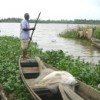
NIGERIA: Fish Could Play Greater Role In Food Security
The smell of roasting fish fills the air as one approaches the bungalow a few metres from the shore of the lagoon. Like most families in the village schoolteacher John Sewanu and his family of seven depend on the sea for food and income.
HEALTH-AFRICA: If Men Were Dying En Masse…
Maternal mortality rates in Africa constitute a "monumental tragedy" that requires urgent attention by African governments, health experts say.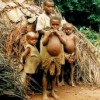
CAMEROON: ‘Our Lives Are Defined By This Forest’
Pauline Siembe, a Baka pygmy in South East Cameroon, comes out of her smoky hut licking her fingers after a meal of pounded yam and bush meat soup.
CAMEROON: Gearing Up for Copenhagen
"Developed countries have failed to respect the Kyoto Protocol which compelled them to reduce latest 2008 emissions of greenhouse gases by five percent. There is therefore need for new engagements to be taken at the Copenhagen Summit." Decisive words from Cameroon's minister for the environment, Pierre Hele.SENEGAL: Scrambling to Keep Up With Education For All
In Diohine, a village of some 3,000 inhabitants in the Fatick region of central Senegal, real progress has been made towards educating all children, in spite of a lack of infrastructure.« Previous Page — Next Page »





The Week with IPS

NEXT STOP - SDGs
Tracking global progress towards a sustainable world
Tracking global progress towards a sustainable world
