Languages
Tuesday, October 6, 2026



News and Views from the Global South
Women Leaders - Africa
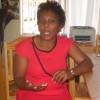
HEALTH-SWAZILAND: 'Role Models in the Community'
She is popularly known as sitjifiri (beautiful and well-kempt woman in SiSwati). Sylvia Khuzwayo travels across the Shiselweni region in the southern part of the Kingdom of Swaziland, giving testimonials to communities on her experience of living with HIV.
RIGHTS-SOUTH AFRICA: Women Farmworkers Threaten Election Boycott
Women from South Africa's three Cape provinces have marched to parliament in Cape Town to denounce the country's "slow and unbalanced" land redistribution programme. The protesters said if they are not given greater access to land, they will not vote in the country's Apr. 22 general elections.
POLITICS: Malawi’s Women Challenge For Top Posts
Sitting side by side, clothed in bright traditional outfits complete with headgear, they looked like any of the women who always dance and ululate for politicians at rallies.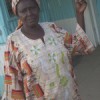
Q&A: ‘ We Were Told To Go To The Mortuary’
Two understaffed and ill-equipped public clinics serving 600,000 people: it is in neighbourhoods like Dandora that the battle to reduce maternal mortality is won or lost.ZIMBABWE: New Cabinet Ignores Quota for Women
Women’s rights activists in Zimbabwe are outraged by the low representation of female politicians in the new unity government. Only four women are part of the 35-member cabinet, laughably short of the equal representation of women in decision-making that Zimbabwe signed onto at a regional summit in September 2008.
Q&A: ‘An Opportunity to Do Things Differently’
As Zimbabwe's government of national unity begins its work, gender activists are pushing for a greater place for women in decision-making.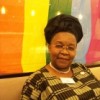
Q&A: Fighting to Free Those Found ‘‘Guilty’’ of Homosexuality
In 2003, Alice Nkom made a decision that has put her on a collision course with the police, prosecutors and judges of Cameroon. Nkom, who has been a barrister at the Cameroonian Bar for 40 years, was chatting with some young men whom she considers her own children.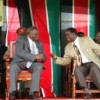
EAST AFRICA: Increasing Women's Participation in Government
Kenya’s poor record of improving percentage of women in decision making positions has come under scrutiny, but its neighbours are doing significantly better.POLITICS-DR CONGO: Talks Resume
Direct talks between the Democratic Republic of Congo (DRC) government and rebels have resumed in Nairobi with discussions on a joint cessation of hostilities currently underway. The talks seek to bring calm to the troubled eastern part of the country.DR CONGO: Speak of the Real Authors of the War
Each episode of the Democratic Republic of Congo's long-running civil war has weighed particularly heavily on women, yet women have relatively little voice in the negotiations for peace.ETHIOPIA: Political Space Narrowing
Bertukan Mideksa has a reputation in Ethiopia as a competent politician, but voters will not be able to cast ballots for her in the next national election. The revocation of her 2007 pardon has sent a chill through Ethiopia's opposition parties.
Q&A: Failure to Translate Women’s Legal Rights into Action
Each year, for 16 days in December, the world’s focus shifts towards taking action against gender-based violence. Governments and civil society organisations raise awareness around women’s rights and lobby for gender equality. But activists lament that little action is taken throughout the rest of the year and women’s legal rights often fail to be implemented and put to action.SWAZILAND: Fighting Gender Violence With Financial Freedom
When a Swazi women's rights organisation noticed that many women continue to stay in violent relationships because they are financially dependent on their abusive partners, they knew something had to change. They started self-help groups that assist women in breaking away from gender-based violence (GBV) by gaining financial muscle.ZAMBIA: Violence Against Women on the Rise
"There will be no peace, security and sustainable economic development in Zambia as long as women’s rights continue to be treated as a secondary issue," said Non-Governmental Organisation Coordination Committee (NGOCC) chairperson Marian Munyinda.POLITICS-SOUTH AFRICA: Women's Participation Needs More Than Quotas
The African National Congress (ANC) directive to increase the number of women on South Africa's ruling party's election lists to 50 percent (up from 30 percent) might actually weaken the role of women in local government.
POLITICS-KENYA: Taking Up a Women's Agenda
The first woman from the Muslim majority island constituency of East Lamu to contest for a seat in Kenyan parliament, Shakila Abdalla is determined to give voice to the country's poor and marginalised.
POLITICS-MOZAMBIQUE: Few Women Mayors This Term
Bad news for women: of the eight women running for mayor in Mozambique's municipal elections held on Nov. 19, only three won. Overall, 114 candidates ran for mayor in 43 municipalities.
POLITICS-GHANA: The Fruits of the Future
The upside: three political parties selected women as vice-presidential candidates in the general elections of Dec. 7, the first time ever in Ghana’s history. The downside: the parties are small and have no real chance of victory.RIGHTS-AFRICA: No More Excuses on Gender Violence
As the world marks the twenty-seventh International Day for the Elimination of Violence against Women, United Nations figures indicate that in the course of her lifetime, one in every three women is beaten, coerced into sex or abused, by a relative or acquaintance. In Africa, concerns continue to be raised over poor legislation and enforcement to protect women and girls from harm.
POLITICS-MALAWI: Elections Get Ugly For Women
Malawi’s primary elections are getting ugly for women candidates. Shoving, derogatory songs and being pelted with stones are just some of the intimidating tactics aimed at discouraging women from contesting the primary elections that will select candidates for the parliamentary polls in May 2009.
GENDER-AFRICA: "Where Is The Money?"
"Investing in women pays off. It is an effective means to reduce poverty and accelerate the achievement of the rest of the MDGs," says Danish minister for development cooperation Ulla Tørnæs.« Previous Page — Next Page »





The Week with IPS

NEXT STOP - SDGs
Tracking global progress towards a sustainable world
Tracking global progress towards a sustainable world
