Languages
Thursday, November 19, 2026



News and Views from the Global South
Climate Change Justice
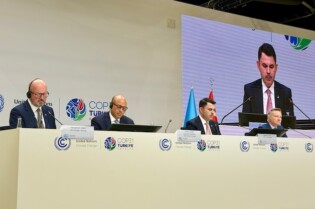
COP31 Nears Close as ‘Weak’, ‘Compromised’ Draft Draws Fierce Backlash
Civil society organisations and delegates from climate-vulnerable countries have sharply criticised the latest draft of the Presidency-led cover decision at the UN climate summit. They accuse negotiators of removing commitments on fossil fuels and failing to provide concrete climate finance, as the talks enter their final hours.
Tuvalu’s Maina Talia: ‘We Are Not Here To Play. We Are Here for the Survival of Our People’
“This is about the survival of people, and we should not sugarcoat anything here at COP31. If you are trying to sugarcoat things, you shouldn't be coming. We should be frustrated all the time because we are dealing with the very lives of our people.”
Kenya Says IPCC Report Delay Debate Is About Capacity, Not Politics
The publication timetable for several climate reports has become one of the most contentious issues at this year’s United Nations climate conference, as several fossil-fuel-dependent countries want to delay the next round of scientific assessments.
COP31: Leaders Put Resilient Cities on the Table. Will the Money Follow?
“Climate action has to deliver where people live,” COP31 President Murat Kurum said on Resilient Cities and Built Environment Day, part of the Leaders Summit. Cities, he said, are “where that implementation becomes real – in the homes people live in, the infrastructure they depend on and the energy they use every day.”
Indigenous Leader Warns Energy Transition Risks Turning Their Territories Into ‘Sacrifice Zones’
Indigenous communities risk paying a heavy price for the global shift to clean energy unless governments involve them in decision-making and protect their ancestral territories, an Indigenous leader from Brazil has warned.
Time to Home
Somewhere tonight, a family that lost its home to the water is asleep in a school gymnasium. The tent, the blankets and the first meal arrived within hours. But a secure home will take years. Every climate disaster ends with the same question, and few climate budgets have a line for it: where will we sleep tonight?
GLOBAL GOVERNANCE: ‘A New World Order Is Going to Emerge, Whether We like It or Not’
CIVICUS discusses the case for United Nations (UN) reform with Heba Aly, director of the Article 109 Coalition, an international civil society network that calls on states to review and update the UN Charter.

COP31: New Research Ties Extreme Weather and Mental Health Challenges in Africa
Floods. Extreme heat. Droughts. African communities have experienced it all and more.
Protecting the Climate Means Protecting Territorial Rights
The world cannot claim to protect the climate and nature while opening Indigenous Peoples' and local communities' territories to industrial activities that threaten their rights, livelihoods and ways of life. Yet governments increasingly recognize these communities' contributions to climate and biodiversity protection while authorizing mining, oil drilling, industrial agriculture and infrastructure projects that can undermine the very territories they safeguard.
Hotter World, Older Population: How Long Can Climate COPs Ignore the Obvious?
As COP31 gets underway in Antalya, two realities demand attention. The World Meteorological Organisation reports that 2015–2025 were the 11 hottest years on record, with 2025 about 1.43°C above pre-industrial levels.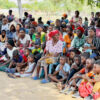
1.5 Billion Women and Girls Live in Climate Hotspots, as UN Women Urges Stronger Action at COP31
More than one in three women and girls worldwide – at least 1.5 billion – live in climate hotspots, where high exposure to climate hazards, insecure jobs and deep gender inequality collide, according to a new UN Women fact sheet on “Gender Equality in the Age of Climate Crisis”. UN Women warns that while 73 per cent of countries recognize the climate risks facing women and girls, just over one in three address them comprehensively.
Drought Cripples Dairy Farmers in Maharashtra in ‘Off the Charts’ Weather Year
Dairy farmer Sagar Pawar has to buy water and fodder at inflated rates to feed his brood of two buffaloes, three Guernsey cows and a calf. He lives in the Solapur district, which is already drought-prone, but now has to deal with the impacts of a strong El Niño as well.
Wealth Buys Protection in Climate Crisis – Oxfam
The world’s wealthiest people are driving a disproportionate share of climate pollution while poorer communities bear the heaviest costs of floods, heatwaves, food insecurity and other climate disasters, according to a new report by Oxfam International.
When the Young Stop Waiting: Europe’s Gen Z Is Sending Us All a Message
This autumn I have found myself watching the evening news from Europe with a growing sense of recognition. Not of the tear gas or the burning barricades, which I deplore, but of the faces. Teenagers holding hand-painted signs. University students sleeping in tents in city squares. Young people who look, more than anything, tired of waiting.
I Accuse
Émile Zola, the well-known French journalist, novelist, playwright, and key figure in theatrical naturalism, who played a significant role in France’s “political liberalization,” inspired me to speak out.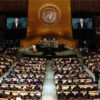
Fifty Years at the Table: What Small Nations Need from the Next UN Secretary-General
On 21 September 1976, less than three months after independence, Seychelles took its seat in the General Assembly of the United Nations. We became the 145th member of the Organisation. For a young nation of scattered islands in the Indian Ocean, with a small population and no army to speak of, it was far more than a ceremony. It was a promise that, in the family of nations, size would not decide whose voice was heard.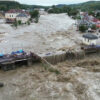
International Day of Climate Action 2026

The world is getting hotter. And the consequences are already being felt. From devastating floods and prolonged droughts to intensifying heatwaves, climate change is disrupting lives and livelihoods across the globe.

Bangladesh’s Hidden Climate Bill: How Much Are We Losing Without Counting It?
Bangladesh has earned global recognition for reducing deaths from cyclones and floods. Early warning systems, cyclone shelters, embankments and community preparedness have transformed the country’s disaster response. Yet another climate crisis is receiving far less attention: the economic damage climate change is quietly inflicting on households, farmers, workers, businesses and public finances.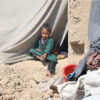
As Winter Approaches, Afghanistan Faces Record Hunger and Mounting Human Rights Abuses
In recent months, Afghanistan’s humanitarian crisis has severely deteriorated, with the UN reporting record-high levels of acute malnutrition and hunger. Compounded by rampant human rights violations, limited access to basic services, and persistent barriers to humanitarian aid, the UN warns that conditions could considerably worsen in the coming months.
From Small Islands to Antalya: COP31 Must Move Climate Promises from Paper to People
When you grow up on a small island, the ocean is not scenery. It is your neighbour, your livelihood, and the measure of time itself. For decades, as I walked the beaches of Seychelles, I watched the subtle shifts that scientists were warning the world about. The tide crept a little higher up the sand each year. After a warm season, vibrant coral gardens turned ghost-white. Storms that once belonged to rare memory began arriving with unsettling regularity.
As El Niño Returns, East Africa’s Urban Poor Brace for Heavy Rains
Nearly three decades have passed, but Japhet Gimbi still remembers the rain. He was a Form 2 student in Tabora, western Tanzania, when the 1997 El Niño flooded the town. As the rain kept falling, fewer students made it to school. That was a super El Niño, one of the strongest on record. Since then there have been five other events including the 2014-2016 "super El Niño".Next Page »


The Week with IPS

NEXT STOP - SDGs
Tracking global progress towards a sustainable world
Tracking global progress towards a sustainable world
