Languages
Thursday, October 1, 2026



News and Views from the Global South
New U.N. Initiative Nudges Environmental Issues into Poverty Alleviation Policies
Should countries change the way they think about their development? This is the central question of the new joint initiative between the United Nations Development Programme (UNDP) and the United Nations Environmental Programme (UNEP), called The Poverty-Environment Initiative.
OP-ED: In South Sudan, Ending Child Marriage Will Require a Comprehensive Approach
Akech B. loved to study and dreamed of becoming a nurse. But when she was 14, her uncle who was raising her forced her to leave school to marry a man Akech described as old and gray-haired. The man paid 75 cows as dowry for Akech. He was already married to another woman with whom he had several children.
Putting Uganda’s Working Kids Back in School
Children around the world may complain about attending school and doing their homework, but not 14-year-old Raya*. For two years she was forced by her illiterate parents to spend every day, rain or shine, selling sugar cane from the family garden to customers on the streets of Entebbe, about 35 km outside the Ugandan capital, Kampala.
Reforming U.S. Food Aid Would Eliminate 7,000-Mile Food Chain
Lawmakers attempted Wednesday to push along an ongoing effort to modernise U.S. international food aid policy amid mounting bipartisan support for the use of more locally grown food products over the long-standing practise of shipping U.S.-grown commodities.
NSA Leaks Prompt Lawsuit and U.N. Action
Edward Snowden, 29, left behind a comfortable lifestyle in Hawaii as a private contractor for the Pentagon's National Security Agency (NSA) because he did not want to help create an "architecture for oppression" for fellow citizens.Intra-Asian Security Ties Good for U.S. – Report
Deepening security ties between East Asian nations offer substantial benefits to the United States as it "rebalances" its military forces towards the Asia-Pacific region, so long as the move is not perceived as a U.S.-led effort to contain China, according to a new report by a think tank close to the administration of President Barack Obama.
Climate Change Threatens Water and Food Security in Antigua
With their islands devoid of rivers or streams, farmers in Antigua and Barbuda have been building dams and ponds for centuries, harvesting rainwater to irrigate their crops and provide drinking water for their livestock.Iran’s Reform-Centre Alliance Will Transcend Election
The decision by the reformist candidate Mohammadreza Aref to withdraw his candidacy - and in effect open the path for the centrist Hassan Rowhani to become the unified candidate of both the centrists and reformists - is an important development in Iranian politics.
Economic Issues Murky As Iranians Go to Polls
Talking to ordinary people in Neishabour and Tehran about Iran's Jun. 14 presidential election, economic issues seem foremost on their minds. But whom they will vote for is based more on vague promises to pull the economy out of its deep crisis than on well-defined economic programs.
“Carbon Farming” Makes Waves at Stalled Bonn Talks
U.N. climate talks have largely stalled with the suspension of one of three negotiating tracks at a key mid-year session in Bonn, Germany.
‘Happy Prostitutes’ AIDS Campaign Sparks Debate
Happiness, the subject of endless philosophical discussions, has now become the focus of controversy in an HIV/AIDS prevention campaign aimed at prostitutes in Brazil. The campaign chief has been booted out and a further question has been raised: What are the limits of popular participation in the definition of public policies?
In Sri Lanka, the Tempest Comes Unannounced
It was several hours before dawn when Afthas Niflal, a young fisherman in southern Sri Lanka, felt the sea start to rumble beneath him.
Cairo’s Poor Convert Kitchen Waste Into Fuel Savings
The bio-gas digester on the roof of Hussein Farag’s apartment in one of Cairo’s poorest districts provides a daily supply of cooking gas produced from the kitchen waste his family would otherwise discard in plastic bags or empty into the clogged sewer below his building.
Scales Tip Towards Women in Jewish Religious Rights Struggle
The struggle for gender equality and Jewish pluralism took a highly symbolic turn on Sunday at the Western Wall, Judaism’s most revered site and emblem of unity, as a group of women known as “Women of the Wall” prayed legally and in a way they saw fit.AIDS and Development: An Agenda for the Future
AIDS has been a global issue for the longest time because of its pervasive effect towards all demographics throughout the world. The central questions of handling the AIDS epidemic would be: how the international community can create an AIDS-free generation and its current problems preventing such generation from existing in the future.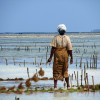
Zanzibar’s Encroaching Ocean Means Less Water
Khadija Komboani’s nearest well is filled with salt water thanks to the rising sea around Tanzania’s Indian Ocean island of Zanzibar.
Scales Tip Towards Women in Jewish Religious Rights Struggle
The struggle for gender equality and Jewish pluralism took a highly symbolic turn on Sunday at the Western Wall, Judaism's most revered site and emblem of unity, as a group of women known as "Women of the Wall" prayed legally and in a way they saw fit.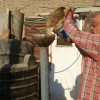
Cairo’s Poor Convert Kitchen Waste Into Fuel Savings
The bio-gas digester on the roof of Hussein Farag's apartment in one of Cairo's poorest districts provides a daily supply of cooking gas produced from the kitchen waste his family would otherwise discard in plastic bags or empty into the clogged sewer below his building.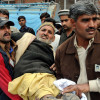
Globe Less Peaceful Than Five Years Ago – Report
The world - especially the Greater Middle East – has become less peaceful than it was five years ago, according to the 2013 edition of the annual Global Peace Index (GPI) released here Tuesday by the Institute for Economics & Peace (IEP).U.S. Regulatory System “Stymied by Special Interests”
A broad-based alliance of public interest and other groups is warning that years of attacks by business interests has made the U.S. regulatory so inefficient that public safety is being put at risk.
Q&A: U.N. Looks to High Seas to Alleviate Food Crisis
The Food and Agriculture Organisation (FAO) is convinced there is sufficient global capacity to produce enough food to adequately feed the world's seven billion people.« Previous Page — Next Page »


The Week with IPS

NEXT STOP - SDGs
Tracking global progress towards a sustainable world
Tracking global progress towards a sustainable world
