Languages
Wednesday, September 30, 2026



News and Views from the Global South
Health

Trapped on a Runaway Train: Looking Back on 2024
Do you sometimes feel like a hamster on its wheel, or perhaps stuck on a runaway train hurtling towards the abyss? Whatever metaphor one might choose for our world looking back on 2024, rainbows don’t easily spring to mind.
Water Deprivation Looms in Gaza
As talks of a ceasefire between Israel and Palestine intensify, bombardments in Gaza continue, raising the number of civilian casualties and internal displacements. A December 19 report from Human Rights Watch (HRW) condemned Israeli authorities for committing acts of genocide upon the people in the Gaza Strip, including the deprivation of water and the destruction of critical water sanitation infrastructures.
Food Crises Intensify in Winter Ravaged War Zones
The days are short with bitterly cold rain in Bucharest, the capital of Romania, the largest Balkan country located south of the Ukraine. Over the border, temperatures in Kyiv will plummet to a daily average of zero in December as the Ukraine war grinds on.
Interlinked Solutions Key to Tackling Biodiversity, Water, Food, Health and Climate Change, says IPBES
Biological diversity is on the decline worldwide, and current approaches to address its loss have been piecemeal and ineffective in tackling the crisis facing nature—this is despite estimates that over half of global GDP (USD 58 trillion of economic activity in 2023) is generated in sectors that are moderately to highly dependent on nature, a new report by the Intergovernmental Platform on Biodiversity and Ecosystem Services (IPBES) finds.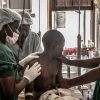
Bridging the Gap in Africa’s Surgical Care Crisis
For decades, preventable deaths, lifelong disabilities, and disfigurements presented devastating consequences for over 90% of the population in Africa, where surgical care remains largely out of reach.
Escalation of Violence in Sudan Raises Concern of Nationwide Collapse
On December 9, a wave of bombardments hit a market district in Sudan, killing at least 127 people. Over eight barrel bombs were launched on the North Darfur town Kabkabiya, marking the latest attacks on densely populated areas that occurred throughout the course of the Sudanese Civil War. Both the Rapid Support Forces (RSF) and the Sudanese Armed Forces (SAF) have received immense criticism from humanitarian organizations for committing abuses against civilians that constitute violations of international humanitarian law.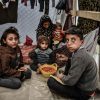
FAO Renews Its Commitment to Right to Food Guidelines
The Food and Agriculture Organization (FAO) launched its newest report on the Right to Food Guidelines on December 10, which focuses on that focused on the urgency of food security as well as the measures that will be taken by the organization to eradicate hunger and malnutrition in the coming decade.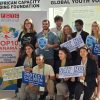
Protect the Rights and Future of Youth, Right Now, From Addiction and Harm
As the world commemorates UN Human Rights Day December 10, with the theme, “Our Rights, Our Future, Right Now,” it’s time to ask: Are we truly listening to what the youth envision for their present and future?
Heightened Insecurity in Sudan Threatens Nationwide Collapse
As the Sudanese Civil War continues to ravage the people of Sudan, conditions for internally displaced persons grow more dire every day. The situation in Sudan is currently the biggest displacement crisis in the world. Famine, violence, and gender-based violence are rampant. Described as “an invisible crisis” by the United Nations (UN) new emergency relief chief, Tom Fletcher, many believe that the humanitarian response has been largely ineffective in tackling the urgent and growing scale of needs.
New Approaches Urgently Needed to Tackle Resurgent Social Crises
Despite uneven economic recovery since the pandemic, poverty, inequality, and food insecurity continue to worsen, including in the Asia-Pacific region, which used to fare better than the rest of the Global South.
‘Quilombola Communities Live in Fear Because the Laws That Are Supposed to Protect Them Are Ignored’
CIVICUS discusses threats to the security, rights and ancestral lands of Brazil’s quilombola communities with Wellington Gabriel de Jesus dos Santos, leader and activist of the Pitanga dos Palmares Quilombola community in Bahia state.
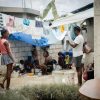
UN ECOSOC Special Meeting Highlights the Urgent Scale of Needs in Haiti
As a result of the ongoing hostilities from gang violence in Haiti, children continue to bear the brunt of the humanitarian crisis. Armed gangs have committed various human rights violations, many of which compound issues surrounding food insecurity, displacement, and social instability for millions of children in Haiti. Children have also lost their access to education and continue to be recruited into gangs. It is crucial for the international community to prioritize the multifaceted crisis facing Haitian children in order to avoid losing an entire generation to violence.
Famine and Violence Raise Death Toll in Sudan
The humanitarian crisis in Sudan continues to deepen as a result of the ongoing Sudanese Civil War. Intensified conflict between the Sudanese Armed Forces (SAF) and the Rapid Support Forces (RSF) has led to widespread food insecurity, with many humanitarian organizations expressing concern that starvation is being used as a method of warfare. Additionally, heightened violence has caused considerable civilian casualties.
Eliminating Rabies in Africa Must Begin with Quality Data
Rabies, despite being a major public health concern in Africa, is still not fully understood, due to the limited data available on it. This has slowed down efforts to eliminate it, yet the continent bears a significant burden of the disease and accounts for most of the deaths it causes globally.
Humanitarian Situation in Haiti Deteriorates as Gender-Based Violence Soars
As gangs continuously seize more territory in the Haitian capital, Port-Au-Prince, the humanitarian crisis deepens. Gang violence in Haiti has considerably escalated following the deployment of the Multinational Security Support (MSS) mission and the appointment of the new Prime Minister, Alix Didier Fils-Aimé. Attacks on civilians continue to increase in brutality as the severely underfunded MSS mission and lackluster police efforts do little to combat gang activity. Girls and women have been disproportionately affected by rampant gender-based violence.
Blockages of Aid in Gaza Threatens Survival for 2.2 Million
Following the International Criminal Court’s (ICC) indictment of Israeli Prime Minister Benjamin Netanyahu for deliberate war crimes committed on the people of Gaza, there has been a considerable surge in hostilities, mostly concentrated in the enclave’s northern regions. The humanitarian crisis is expected to deteriorate as the availability of essential resources, such as water, food, fuel, and electricity has significantly dwindled over the past few weeks due to sustained blockages by Israeli authorities. Additionally, levels of civilian casualties and displacements have reached new peaks.
Never Disparage a Toilet
In most Western European countries you can purchase –or rent- a 60 square-metres flat that is equipped with two toilets, one for her and one for him. Larger apartments may feature even more. For those who can afford it, such facilities are taken for granted. Yet, nearly half the global population—over 3.5 billion people—live without access to safely managed sanitation, including 419 million forced to practice open defecation.
Human Rights Protection Crucial to Meeting the 2030 AIDS Public Health Goals
Gaps in realising human rights could stop AIDS being ended as a public health threat by 2030, UNAIDS has warned in a report to mark World AIDS Day.
Expand choices for Women, Prevent New HIV Infections in Africa
In Uganda, women and girls are more affected by HIV. Out of 1.4 million people living with the disease, 860 000 are women and girls. According to UNAIDS, every week, 4,000 adolescent girls and young women aged 15–24 years became infected with HIV globally in 2023, with 3,100 of these infections occurring in sub-Saharan Africa.
Free Cesarean Sections in Nigeria: Can This Policy Truly Deliver?
In Nigeria, over 80,000 women die each year from pregnancy and childbirth complications. Recently, Nigeria’s coordinating minister of health and social welfare, Muhammad Pate, announced the Maternal Mortality Reduction Initiative. It aims to provide free cesarean section (CS) and essential maternal care to poor women nationwide, ensuring safer childbirth and improved maternal health outcomes. Free CS is a life-saving solution. But while the idea is great, let’s take a closer look to unpack how it can really help Nigerian women.
Sudan Ravaged By Disease, Famine, and War
As living conditions in Sudan deteriorate as a result of the Sudanese Civil War, levels of famine and violations of international humanitarian law continue to accelerate among the roughly 11.5 million displaced persons. Conflict between the Rapid Support Forces (RSF) and the Sudanese Armed Forces (SAF) have severely hampered aid efforts, leaving millions of civilians to deal with widespread disease and an overall lack of essential resources.« Previous Page — Next Page »


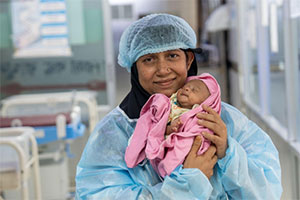 Bangladesh: Sarid, born one month early, receives specialized newborn care and grows stronger every day. Credit: UNICEF/UNI944397/Mojumder
Since the onset of the 2000s, global life expectancy has seen an overall rise, attributed to significant technological and scientific innovations in healthcare. Due to an increased understanding of different conditions as well as a rise in cooperation among healthcare experts around the world, there have been major strides made in ensuring that as few people die from chronic illnesses as possible. Despite the belief that healthcare is a fundamental human right, people from low- or middle-class backgrounds, marginalized groups, and underdeveloped countries have far more limited access to basic healthcare services.
The COVID-19 pandemic showed how marginalized communities are disproportionately affected by health crises, proving that we have much work to do in ensuring that no one dies of terminal conditions. While the global response to the coronavirus saw significant strides in immunization and vaccine development, the global outbreak of mpox in 2022 and its upsurge in parts of Africa in 2024 must remind us to remain vigilant.
Other major disease outbreaks in recent years have been linked to the destruction of infrastructure during warfare. Notably, in 2024, the Gaza Strip witnessed a return of the poliovirus since its eradication in the region 25 years ago. Israel’s blockade on Gaza has resulted in the collapse of the region’s sewage plants and desalination plants, and also destroyed healthcare capacities. The UN stated that this lack of clean water and sanitation would lead to an outbreak of cholera and other deadly infectious diseases. The 2026 OCHA Humanitarian Situation Report confirmed that the over two years of conflict in Gaza has produced a catastrophic health emergency, with millions remaining dependent on relief aid amid tight restrictions and no functioning public health system.
IPS is committed to providing full and comprehensive coverage on healthcare challenges around the world. IPS seeks to address the multifaceted causes of such challenges, including unprecedented pandemics, conflict-driven disease outbreaks, as well as socioeconomic barriers to equal healthcare access. IPS is also dedicated to reporting on innovations in the healthcare industry.

The Week with IPS

NEXT STOP - SDGs
Tracking global progress towards a sustainable world
Tracking global progress towards a sustainable world
