Languages
Friday, November 20, 2026



News and Views from the Global South
Health
DEVELOPMENT: Sanitation Goals Falter Amid Official Apathy
At the United Nations, "water and sanitation" have remained inseparable twins on the world body's social and economic agenda.WORLD WATER DAY: Water Everywhere but Not a Drop to Drink
When there are water cuts in Bulawayo, the plants in 59-year-old Ntombizodwa Makati’s vegetable garden are still watered - but she and her family go thirsty.TRINIDAD: Last Chance for Stalled Smelter Plant
The full-page newspaper advertisements touting the benefits of a controversial aluminium smelter plant appeared here just as the court of appeal is preparing to rule on whether such a facility is ever built in Trinidad and Tobago.KENYA: Trying to Rebuild Communities After Floods
After torrential rains and floods claimed lives in Kenya’s North Rift region, hundreds of displaced people are now in dire need of relief aid.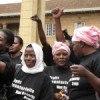
KENYA: State Insists Counterfeit Law Does Not Threaten Rights
Kenya’s Constitutional Court heard on Mar. 18 from counsel representing the government that the Anti-Counterfeit Act of 2008 does not threaten the importation or manufacturing of cheap generic medicines and therefore does not deny Kenyans their constitutional right to life.WEST AFRICA: Stopping the Polio Virus
The World Health Organisation (WHO) and its partners hope to eliminate the circulation of the polio virus in West Africa as soon as June by launching the first round of national synchronised immunisation days against the debilitating disease.HEALTH-US: Maternal Deaths on the Rise
Despite the fact that the United States spends more on maternal health than any other country in the world, deaths in childbirth among U.S. women are on the rise and already surpass the morbidity rates in most developed countries.DEVELOPMENT: Bad Water More Deadly Than War
Bad water kills more people than wars or earthquakes, declares Anders Berntell, executive director of the Stockholm International Water Institute (SIWI).
NAMIBIA: “If You Kiss for Five Minutes You Get It”
"At home we have a bar," says grade seven learner David Bravo* (14). "When my mother puts on the music I cannot concentrate on (my) schoolwork anymore. Sometimes, in the middle of the night, I just sit there and watch the people."
SWAZILAND: Budget Cuts Ahead but More Money for Education and Health
Her swollen feet are a constant reminder to Sanele Matsebula that she needs to take her medication.AFRICA: Corruption Carries High Cost, World Bank Says
Poverty is on the rise in Sub-Saharan Africa (SSA) and various forms of corruption threaten to undermine the impact of investments made to meet the Millennium Development Goals (MDGs) in the continent, said the World Bank in a report released Monday on Africa's development.
MALAWI: Rural Communities Jointly Care for Orphans
At the age of 66, village headman Kamwala of Dedza district in central Malawi is starting to feel the effects of ageing. He gets tired easily and needs frequent naps but says he cannot afford this luxury. He and his wife are caregivers to a one-year-old orphan.DEVELOPMENT-KENYA: Rapid Population Growth Threatens Development
Margaret Atieno, a 38-year-old mother of six, says she wanted to avoid her last pregnancy. But consistent stock-outs of contraceptive devices at her health care centre in rural Siaya, western Kenya, gave her no choice but to fall pregnant once again, albeit the fact that she did not want another child.HEALTH-UGANDA: EU Supports Law Threatening Access to Medicines
The European Union (EU) is funding the drafting of Uganda’s controversial Counterfeit Goods Bill, a proposed law that has caused an outcry as it threatens access to life-saving generic medicines in this low income East African country. Some 90 percent of medicines used in Uganda’s health-care system are imported, of which about 93 percent are generics.
MALAYSIA: Creation of Commercial Hospital Wings a Mistake -Critics
A Malaysian government scheme to create commercial ‘private wings’ in major government hospitals has come under fire from critics, who say it will add to the burden of people who need public healthcare the most.HEALTH: U.S. AIDS Fund Flat-Lining, Groups Complain
The debate between those who favour investment in AIDS treatment and those who favour investment in its prevention came to the forefront Thursday at a U.S House of Representatives hearing on U.S. investments in HIV/AIDS in Africa.
PHILIPPINES: Reproductive Health Tests Candidates’ Political Guts
Filipino voters who have yet to make up their minds about their choice for their next president are being advised: look at each aspirant’s stance on reproductive health to help them gauge the candidate’s leadership mettle and political guts.CHINA: Binge-drinking Culture Turning from Fun to Lethal
After Chen Lusheng, a police sergeant from the southern Chinese city of Shenzhen, died in December after an off-duty night of heavy drinking with local officials, his superiors tried to have him designated a "martyr" who "died in the line of duty," so that his family would receive greater compensation.
INDONESIA: Waste Composting Project Blazes Cleaner Path
Battling the pain from a boil on his left thigh, 45-year-old Inggit Tukino pulled his two-wheeled cart through the overcrowded alleys of a slum in Rawabebek, Penjaringan hamlet in here North Jakarta.
LATIN AMERICA: Abortion – Still Illegal, Still Killing, Despite Growing Awareness
Although most of the governments in Latin America today are described as progressive, abortion is only legal in one country, while in five countries it is banned under all circumstances, even when the mother's life is at risk.
ENVIRONMENT-UGANDA: Landslides – Experts Warn Worst is Yet to Come
Fourteen-year-old Isaac Wadyegere of Bundesi village in Bududa district woke up to a rainy and chilly Monday morning and went to school as usual. But Mar. 1 was not a usual day in eastern Uganda.« Previous Page — Next Page »


 Bangladesh: Sarid, born one month early, receives specialized newborn care and grows stronger every day. Credit: UNICEF/UNI944397/Mojumder
Since the onset of the 2000s, global life expectancy has seen an overall rise, attributed to significant technological and scientific innovations in healthcare. Due to an increased understanding of different conditions as well as a rise in cooperation among healthcare experts around the world, there have been major strides made in ensuring that as few people die from chronic illnesses as possible. Despite the belief that healthcare is a fundamental human right, people from low- or middle-class backgrounds, marginalized groups, and underdeveloped countries have far more limited access to basic healthcare services.
The COVID-19 pandemic showed how marginalized communities are disproportionately affected by health crises, proving that we have much work to do in ensuring that no one dies of terminal conditions. While the global response to the coronavirus saw significant strides in immunization and vaccine development, the global outbreak of mpox in 2022 and its upsurge in parts of Africa in 2024 must remind us to remain vigilant.
Other major disease outbreaks in recent years have been linked to the destruction of infrastructure during warfare. Notably, in 2024, the Gaza Strip witnessed a return of the poliovirus since its eradication in the region 25 years ago. Israel’s blockade on Gaza has resulted in the collapse of the region’s sewage plants and desalination plants, and also destroyed healthcare capacities. The UN stated that this lack of clean water and sanitation would lead to an outbreak of cholera and other deadly infectious diseases. The 2026 OCHA Humanitarian Situation Report confirmed that the over two years of conflict in Gaza has produced a catastrophic health emergency, with millions remaining dependent on relief aid amid tight restrictions and no functioning public health system.
IPS is committed to providing full and comprehensive coverage on healthcare challenges around the world. IPS seeks to address the multifaceted causes of such challenges, including unprecedented pandemics, conflict-driven disease outbreaks, as well as socioeconomic barriers to equal healthcare access. IPS is also dedicated to reporting on innovations in the healthcare industry.

The Week with IPS

NEXT STOP - SDGs
Tracking global progress towards a sustainable world
Tracking global progress towards a sustainable world
