Languages
Friday, November 20, 2026



News and Views from the Global South
Health
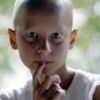
HEALTH: Chernobyl Kids Keep Arriving in Cuba
Thousands of kilometres from Ukraine, where the worst nuclear accident in history occurred 23 years ago, the sun and fresh air of a Cuban beach provide therapy for Ukrainian children, who continue to be born with problems stemming from the disaster.
DOMINICAN REPUBLIC: Lethal Link Between Gender Violence and AIDS
When she went to the doctor, 25-year-old Francisca Barros received two pieces of earthbreaking news. The welcome news was that she was pregnant. The terrifying news: that she was HIV-positive.
HEALTH-MEXICO: Training Professional Village Midwives
Mexican communications specialist Marla Vargas had her baby in the bathtub at home, attended by a midwife, because, she says, "I wanted a different experience, and a better way for my child to come into the world."HEALTH: WHO Sends Flu Meds to Developing Countries
Poor countries facing the greatest threat from the spread of the H1N1 flu virus – popularly known as "swine flu" – will begin to receive shipments of Tamiflu, the World Health Organisation (WHO) announced.U.S.: Obama's Global Health Plan Disappoints Activists
Global health activists expressed disappointment Tuesday over U.S. President Barack Obama's plans to spend 63 billion dollars over the next six years to fight diseases in poor countries overseas.CHINA: Measures to Curb Swine Flu Unjustified?
Rebuked in the past for its sluggish response and attempts to cover up the 2003 outbreak of severe acute respiratory syndrome (SARS), China’s measures to curb the spread of the swine flu virus are earning opposite marks of being extreme and "unjustified."EGYPT: Viral Time Bomb Set to Explode
It is a health crisis of alarming proportions. Up to nine million Egyptians have been exposed to hepatitis C, and tens of thousands will die each year unless they receive a liver transplant.LESOTHO: Help At Hand for Orphans
The Lesotho government - battling against the challenges presented by an ever-growing population of orphans whose parents have succumbed to the AIDS pandemic - has embarked on an ambitious programme aimed at alleviating the suffering of these vulnerable children, in partnership with the European Union and UNICEF.POPULATION: Asia Faces Lower Birth and Death Rates
Asia has long been touted as the world's largest and most populous continent with over 4.1 billion people, accounting for more than 60 percent of the global population.MEXICO: Swine Flu Fears Take Toll on Pork Industry
Esther de Anda has stopped eating pork since the appearance of swine flu in Mexico. "They say there’s no problem in eating it, but for now I prefer fish or chicken," the homemaker told IPS.HEALTH-NAMIBIA: Eight Southern African Countries Team Up to Fight Malaria
Within the next twelve months, eight Southern African countries will synchronise their battles against malaria through cross-border collaboration. They hope to eliminate malaria in four of them by 2015.ENVIRONMENT: Israel Stripping West Bank Quarries
Israeli human rights organisation Yesh Din is taking the Israeli Defence Forces (IDF), the Israeli civil administration and a number of Israeli mining companies to court.
ANGOLA: No Law to Stop Domestic Violence
Teresa Barros’ problems started last year with the death of her baby.HEALTH-MALAWI: Women’s Group Sues Govt Over Abortion Rights
An influential women rights organisation in Malawi, Women in Law in Southern Africa-Malawi (WILSA-Malawi), is suing the government of Malawi for preventing women from accessing safe abortion.HEALTH-ARGENTINA: Half of Children at Risk for Lack of Clean Water
More than half of all children in Argentina are at risk of illness because of lack of access to clean, running water, while a large proportion are also threatened by polluting industries and the use of pesticides in agriculture, according to a study by the ombudsman’s office.MEXICO: Flu Epidemic Further Undermines Sick Economy
The swine flu epidemic has dealt a new blow to the Mexican economy, already weakened by the global recession, hitting small and large companies alike.HEALTH-ASIA: Swine Flu Threatens To Be Deadlier than Bird Flu, SARS
When the World Health Organisation (WHO) raised the influenza pandemic alert from phase three to an ominous phase four warning this week, it went beyond the alarm associated with the killer avian influenza virus in Asia.
MIDEAST: If Only They Could See
Mohammed Al-Sheikh Yousef could save his eyesight if only he could cross the border out of Gaza. He was denied a permit by Israel; he got one from Egypt, but not for someone to accompany him. And he can't go on his own because he cannot see very well.MEXICO: Schools Closed Nationwide Due to Flu Epidemic
The deadly new influenza strain that originated in Mexico has led to the closure of schools, universities, museums, libraries, cinemas, theatres and churches here, while it continues to spread to other countries.HEALTH-ASIA: Taiwan Blazes a Trail to Help Drug Users with HIV
Taiwan is emerging as a beacon of hope for countries across Asia grappling to stop the spread of the AIDS epidemic among injecting drug users (IDUs), a major risk group.HEALTH: Final Push to Control Malaria by 2015
About one million people die every year from malaria, including a child every 30 seconds. Half a billion people are infected annually. Africa alone, according to studies, loses 12 billion dollars in productivity and to treating the disease. And almost all of it is easily preventable.« Previous Page — Next Page »


 Bangladesh: Sarid, born one month early, receives specialized newborn care and grows stronger every day. Credit: UNICEF/UNI944397/Mojumder
Since the onset of the 2000s, global life expectancy has seen an overall rise, attributed to significant technological and scientific innovations in healthcare. Due to an increased understanding of different conditions as well as a rise in cooperation among healthcare experts around the world, there have been major strides made in ensuring that as few people die from chronic illnesses as possible. Despite the belief that healthcare is a fundamental human right, people from low- or middle-class backgrounds, marginalized groups, and underdeveloped countries have far more limited access to basic healthcare services.
The COVID-19 pandemic showed how marginalized communities are disproportionately affected by health crises, proving that we have much work to do in ensuring that no one dies of terminal conditions. While the global response to the coronavirus saw significant strides in immunization and vaccine development, the global outbreak of mpox in 2022 and its upsurge in parts of Africa in 2024 must remind us to remain vigilant.
Other major disease outbreaks in recent years have been linked to the destruction of infrastructure during warfare. Notably, in 2024, the Gaza Strip witnessed a return of the poliovirus since its eradication in the region 25 years ago. Israel’s blockade on Gaza has resulted in the collapse of the region’s sewage plants and desalination plants, and also destroyed healthcare capacities. The UN stated that this lack of clean water and sanitation would lead to an outbreak of cholera and other deadly infectious diseases. The 2026 OCHA Humanitarian Situation Report confirmed that the over two years of conflict in Gaza has produced a catastrophic health emergency, with millions remaining dependent on relief aid amid tight restrictions and no functioning public health system.
IPS is committed to providing full and comprehensive coverage on healthcare challenges around the world. IPS seeks to address the multifaceted causes of such challenges, including unprecedented pandemics, conflict-driven disease outbreaks, as well as socioeconomic barriers to equal healthcare access. IPS is also dedicated to reporting on innovations in the healthcare industry.

The Week with IPS

NEXT STOP - SDGs
Tracking global progress towards a sustainable world
Tracking global progress towards a sustainable world
