Languages
Saturday, October 10, 2026



News and Views from the Global South
Health
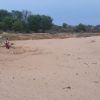
Rising Temperatures Drive Human-Wildlife Conflict in Zimbabwe
Rising temperatures are being blamed for an increase in human-wildlife conflicts in Zimbabwe as animals such as snakes leave their natural habitat earlier than usual.
Afghan Women Struggle with Soaring Mental Health Issues
Afghanistan is grappling with a growing crisis of mental illness, particularly among its women, as highlighted in a United Nations report. Officials from the mental health department at Herat regional hospital have observed a concerning uptick in the number of women afflicted by psychological disorders in the province.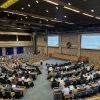
SBSTTA and SBI—Biodiversity Meetings Crucial for the Global South Begin
The 26th meeting of the Subsidiary Body of Scientific, Technical, and Technological Advisors (SBSTTA) of the United Nations Convention on Biological Diversity (UNCBD) started in Nairobi, Kenya, on Monday. Over 1,400 delegates, including 600 representing signatories or parties from over 150 countries, are present for the seven-day meeting at the headquarters of the United Nations Environment Programme (UNEP). A large number of members from Indigenous Peoples and other observer organizations, including women’s groups, are also attending the meetings.
The World Must Not Abandon the Mothers of Gaza
As millions of children and families celebrate their mothers, my thoughts turn to the pregnant women and new mothers our teams at UNFPA, the United Nations sexual and reproductive health agency, support in more than 130 countries around the world. And I hold in my heart all those who, tragically, will never live to see their newborns.
Latin America and the Caribbean Hit with Record-Breaking Heat and Other Climate Effects in 2023
Every year for the last four years, a collaborative effort involving scientists and other experts has assessed the state of the climate in Latin America and the Caribbean. The findings have revealed increasingly alarming trends for the world’s second-most disaster-prone region.
Beyond the Fields: Unraveling Zambia’s Drought Crisis and the Urgent Call for Climate-Health Solutions
For most families in Zambia, April is traditionally a month of plenty—it is typically the beginning of a harvest season for various food and cash crops. Both fresh and dried maize, groundnuts, pumpkins, and a whole variety of both traditional and exotic food crops are usually in full supply and readily available for consumption, supporting household food security and nutrition.
Civil Society Scores LGBTQI+ Rights Victory in Dominica
On 22 April, Dominica’s High Court struck down two sections of the country’s Sexual Offences Act that criminalised consensual same-sex relations, finding them unconstitutional. This made Dominica the sixth country in the Commonwealth Caribbean – and the fourth in the Eastern Caribbean – to decriminalise same-sex relations through the courts, and the first in 2024.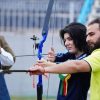
Transgender Health Rights Boosted by Hospitals’ ‘Separate Room’ Policy
Transgender people and civil society organizations have welcomed the decision of the chief minister in Khyber Pakhtunkhwa, Pakistan, to allocate separate rooms in hospitals for the transgender community so they can avail themselves of uninterrupted healthcare. “We demand that all provinces follow suit and announce facilities for more than 500,000 transgender people in the country,” Farzana Shah, president of the Khyber Pakhtunkhwa (KP) Transgender Association, told IPS.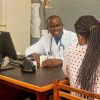
WHO Africa Advances African Science by Promoting Peer-Reviewed Research
The World Health Organization's African regional office and partners published over 25 peer-reviewed articles in scientific journals in 2023 as part of efforts to address the imbalance in global research and ensure that Africa was better represented in the production of health research academic literature, a new report shows.
IPCI 2024: Technology as a Tool to Advance and Threaten Sexual and Reproductive Health Rights
Technology emerged as a core theme of IPCI Oslo for its relevance in advancing the objectives of the Cairo Programme of Action. When channeled for good, it is an effective tool that can fill accessibility gaps in the health sector and spread awareness of sexual and reproductive health rights. Yet, the way in which digital technology has been weaponized against SRHR is of great concern for parliamentarians, especially for women.
Food Security and Food Safety in Africa Must Go Hand in Hand
Russia’s invasion of Ukraine has restricted international exports and sent food costs soaring – particularly for vulnerable populations still experiencing shocks from the pandemic and who can least afford to pay more to feed their families. Two years on, global food supply chains are still just as susceptible to serious disruptions caused by war, disease, and climate change. Those inevitable disruptions are leaving those on the African continent particularly vulnerable.
Women Affected by ‘Gender-Biased’ Climate Change Deserve Justice
While research into the unequal impacts of climate change on women is growing, more is needed to enable them to realize their rights to climate justice. Researchers argue that women and girls have unequal access to food, water, health, education, and even income, thanks to climate change. This makes them more vulnerable.
Breaking the Silence: Gender-Based Challenges in the Lesotho Highlands Water Project ll
In the journey towards gender equality and justice, recent decades have seen strides made, yet the road ahead remains treacherous. In the race to achieve the Sustainable Development Goals (SDGs) by 2030, attention is turning to the role that over five hundred public development banks worldwide could play.
Endowment Funds Can Revolutionise Sarcoma Care in Developing Countries
Despite global childhood cancer mortality rates dropping by half over the past 50 years, these promising statistics do not extend to Africa and the Global South, where limited resources mean that most cancers are diagnosed at advanced stages.
WHO Calls for More Data on Violence Against Older Women and Women With Disabilities
Older women and women with disabilities experience abuse that is unique to their demographics, yet they are underrepresented in national and global databases, according to findings shared by the World Health Organization (WHO).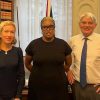
The Gambia Must Not Repeal FGM Ban
Earlier this month, a UNICEF report on the prevalence of female genital mutilation (FGM) showed that while some success is taking place, the pace of progress remains slow - lagging behind population growth, especially in places where FGM is most common.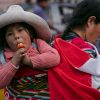
Child Malnutrition in Peru Driven Up by Poverty and Food Insecurity
Quechua farmer Felipa Noamesa, who lives in the southern Peruvian department of Cuzco, prepares a cream of fava bean soup for breakfast every morning with bread and vegetable soup with noodles. Her children are grown up, so her priority is that her five-year-old granddaughter does not suffer from anemia or malnutrition, two problems she frequently sees in her community.
Industrial Policy, East or West, for Development or War?
Developing countries wanting to pursue industrial policy were severely reprimanded by advocates of the ‘neoliberal’ Washington Consensus. Now, it is being deployed as a weapon in the new Cold War.
Africans Can Solve the Disease that Haunts Us — Here’s How
I was born in Brakpan, Johannesburg, South Africa, and grew up in eSwatini (known then as Swaziland). People in these two countries share one predominant fear: unemployment. Other worries in these countries and others in the region include unwanted pregnancies, low income and food safety. The diseases that are dreaded the most are cancer and diabetes. Feared infectious diseases include HIV-AIDS, COVID and cholera.
International Women’s Day, 2024
Rural Tajik Woman’s Road to Empowering Women Living with HIV
Born and raised in a rural area in a traditional Tajik family, Takhmina Haidarova managed to finish high school with excellent grades and wanted to go to university.
“[But] it was compulsory for my family to give higher education to boys, and girls were trained to be housewives,” she says. Her dream of higher education was instead replaced by an arranged marriage to a cousin.

International Women’s Day, 2024

On March 8th, we celebrate International Women’s Day. A day to honour the resilience, achievements, and potential of women worldwide. The world faces crises—geopolitical conflicts, poverty, and climate change.
« Previous Page — Next Page »





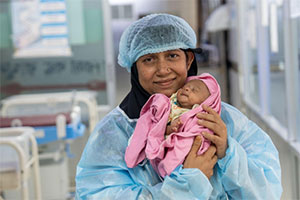 Bangladesh: Sarid, born one month early, receives specialized newborn care and grows stronger every day. Credit: UNICEF/UNI944397/Mojumder
Since the onset of the 2000s, global life expectancy has seen an overall rise, attributed to significant technological and scientific innovations in healthcare. Due to an increased understanding of different conditions as well as a rise in cooperation among healthcare experts around the world, there have been major strides made in ensuring that as few people die from chronic illnesses as possible. Despite the belief that healthcare is a fundamental human right, people from low- or middle-class backgrounds, marginalized groups, and underdeveloped countries have far more limited access to basic healthcare services.
The COVID-19 pandemic showed how marginalized communities are disproportionately affected by health crises, proving that we have much work to do in ensuring that no one dies of terminal conditions. While the global response to the coronavirus saw significant strides in immunization and vaccine development, the global outbreak of mpox in 2022 and its upsurge in parts of Africa in 2024 must remind us to remain vigilant.
Other major disease outbreaks in recent years have been linked to the destruction of infrastructure during warfare. Notably, in 2024, the Gaza Strip witnessed a return of the poliovirus since its eradication in the region 25 years ago. Israel’s blockade on Gaza has resulted in the collapse of the region’s sewage plants and desalination plants, and also destroyed healthcare capacities. The UN stated that this lack of clean water and sanitation would lead to an outbreak of cholera and other deadly infectious diseases. The 2026 OCHA Humanitarian Situation Report confirmed that the over two years of conflict in Gaza has produced a catastrophic health emergency, with millions remaining dependent on relief aid amid tight restrictions and no functioning public health system.
IPS is committed to providing full and comprehensive coverage on healthcare challenges around the world. IPS seeks to address the multifaceted causes of such challenges, including unprecedented pandemics, conflict-driven disease outbreaks, as well as socioeconomic barriers to equal healthcare access. IPS is also dedicated to reporting on innovations in the healthcare industry.

The Week with IPS

NEXT STOP - SDGs
Tracking global progress towards a sustainable world
Tracking global progress towards a sustainable world
