Languages
Saturday, November 21, 2026



News and Views from the Global South
Health
IRAQ: The Biggest Hospitals Become Sick
Not even the elevators work now at Baghdad Medical City, built once as the centre for some of the best medical care.
TRADE-AFRICA: Art Creating Hope in the Midst of Death and Disease
Zulu artists working at the Ardmore Ceramic Studio in South Africa’s coastal province of KwaZulu Natal have gone from poverty to international acclaim.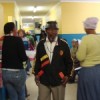
SOUTH AFRICA: Nurse Shortage Cripples Health System
In the impoverished informal settlement of Du Noon, 20 kilometres north of Cape Town, sick residents rely on a single clinic staffed by six nurses to meet their health needs.DEVELOPMENT: IBSA Summit – Will South-South Cooperation Regain Clout?
The India-Brazil-South Africa (IBSA) Dialogue Forum will hold its third annual summit on Oct. 15 in New Delhi, India, the first such meeting after this trilateral body of countries of the developing South met with a serious setback at the World Trade Organisation (WTO) negotiations.
UGANDA: Women Wield Fair Trade Tools to Beat Poverty
Producing baskets and mats in central Uganda has traditionally been women’s work. Women made these items for use in homes. The National Association of Women Organisations in Uganda (NAWOU) has changed this practice into a powerful force fighting poverty.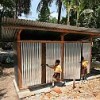
DEVELOPMENT: Global Fund Puts Spotlight on Sanitation
The Global Sanitation Fund (GSF), created last March with a 100-million-dollar target per year, is being billed as a key financing mechanism aimed at meeting one of the eight U.N. Millennium Development Goals (MDGs).
RIGHTS: Women Fight to Put Violence on Global Agenda
Joyce and Tanya - two women of different ages, nationalities, cultures and religions - share something: both became victims of a missing goal.
Q&A: "The Notion that Water Is Forever Is Wrong"
Venality, greed, corruption - the documentary film "Flow: For Love of Water" could just as easily be subtitled "The Evil That Men Do."HEALTH: Goal to Halt AIDS by 2015 Recedes Further
What if HIV/AIDS was just another chronic disease instead of a widespread epidemic? This could be the case if the world community takes serious action, according to Human Rights Watch and other activists. But today, the Millennium Development Goal (MDG) on HIV/AIDS is nowhere near being realised.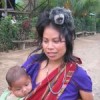
PERU: Birthing Houses Combine Native Traditions, Modern Medicine
"Ashaninka women give birth at home, in accordance with tradition," declares José Ponce, the head of the health committee in Puerto Ocopa, a village of 253 Ashaninka indigenous families deep in the central Peruvian jungle.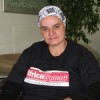
Q&A: Zimbabwean Women Have Had ‘‘More Trauma'' After Independence
Zimbabwean women have experienced higher levels of trauma, including violence and lack of food, after the country's independence from Britain in 1980 than before.ASIA PACIFIC: MDGs – Children Under Five Straggling
Children under five years across Asia and the Pacific are being left behind in the race to reduce poverty even as the region boasts impressive strides in meeting major United Nations development goals.CUBA: “Ike” Full of Sound and Fury, Signifying Danger
Even before the ravages caused by Hurricane Gustav in the western part of Cuba have been fully assessed, Hurricane Ike made landfall on the northeastern shore of the island on Sunday, swept westwards out to sea on Monday, and is showing signs of powering up before slamming Cuban territory again.DEVELOPMENT-AFRICA: Why The Richest Continent Is Also The Poorest
The ecological impact of natural resource exploitation on the lives of the poor in Africa and other regions is not being addressed sufficiently in aid effectiveness and development discussions, aid experts say.DEVELOPMENT: U.N. Warns of Faltering Goals on Aid, Trade
When the United Nations approved a set of development goals on poverty, health, gender empowerment, and sustainable environment back in September 2000, it laid down a deadline of 2015 to reach these targets.MEXICO: Conservatives Lose Key Battle Against Abortion
The Mexican government, Catholic Church and conservative groups lost a crucial battle Wednesday in their fight against abortion, which was legalised in the capital in April 2007.
POLITICS-US: Women Take the Platform at Dem Convention
From the party platform ratified by delegates between speeches Monday, to primetime, headlining speeches by two heavy hitters in the election - Sen. Hillary Clinton and first-lady hopeful Michelle Obama - the initial two days of the Democratic National Convention were dominated by women.RIGHTS-SWAZILAND: Women Challenge King Mswati
Hard on the heels of the signing of the Gender Protocol at the Southern African Development Community (SADC) heads of state summit, Swazi women have challenged King Mswati III on the monarchy's lavish lifestyle in the face of abject poverty and disease.SIERRA LEONE: Commission Launches First Human Rights Report
A barefoot girl watches expressionless as men clad in expensive suits and women in designer clothes make their way on foot to the Community Centre in Kroo Bay, Freetown. They are here to launch the first ever State of Human Rights Report for Sierra Leone; Zainab, 12, is in the midst of another day on the narrow, muddy streets of the area, selling groundnuts to help support her family.DEVELOPMENT: Africa Still Hampered by Lack of Geographical Data
Geographic Information Systems (GIS) could play a vital role in improving agriculture and boosting food security in Africa. However, only a few African countries are capable of developing such systems, partly because of a lack of basic geographical data.DEVELOPMENT: Food, Fuel and Water Crises Converging
A spectre is haunting the cities and villages of most developing nations, warns a senior official of a World Bank-affiliated organisation.« Previous Page — Next Page »


 Bangladesh: Sarid, born one month early, receives specialized newborn care and grows stronger every day. Credit: UNICEF/UNI944397/Mojumder
Since the onset of the 2000s, global life expectancy has seen an overall rise, attributed to significant technological and scientific innovations in healthcare. Due to an increased understanding of different conditions as well as a rise in cooperation among healthcare experts around the world, there have been major strides made in ensuring that as few people die from chronic illnesses as possible. Despite the belief that healthcare is a fundamental human right, people from low- or middle-class backgrounds, marginalized groups, and underdeveloped countries have far more limited access to basic healthcare services.
The COVID-19 pandemic showed how marginalized communities are disproportionately affected by health crises, proving that we have much work to do in ensuring that no one dies of terminal conditions. While the global response to the coronavirus saw significant strides in immunization and vaccine development, the global outbreak of mpox in 2022 and its upsurge in parts of Africa in 2024 must remind us to remain vigilant.
Other major disease outbreaks in recent years have been linked to the destruction of infrastructure during warfare. Notably, in 2024, the Gaza Strip witnessed a return of the poliovirus since its eradication in the region 25 years ago. Israel’s blockade on Gaza has resulted in the collapse of the region’s sewage plants and desalination plants, and also destroyed healthcare capacities. The UN stated that this lack of clean water and sanitation would lead to an outbreak of cholera and other deadly infectious diseases. The 2026 OCHA Humanitarian Situation Report confirmed that the over two years of conflict in Gaza has produced a catastrophic health emergency, with millions remaining dependent on relief aid amid tight restrictions and no functioning public health system.
IPS is committed to providing full and comprehensive coverage on healthcare challenges around the world. IPS seeks to address the multifaceted causes of such challenges, including unprecedented pandemics, conflict-driven disease outbreaks, as well as socioeconomic barriers to equal healthcare access. IPS is also dedicated to reporting on innovations in the healthcare industry.

The Week with IPS

NEXT STOP - SDGs
Tracking global progress towards a sustainable world
Tracking global progress towards a sustainable world
