Languages
Tuesday, November 17, 2026



News and Views from the Global South
Poverty & SDGs
Indigenous Seek Profits From Forests
Kenya’s Ogiek community, the indigenous group of hunter-gatherers who were evicted from the Mau Forest three years ago, say they will no longer sit by and watch logging companies profit from the resources of their traditional home while they live in poverty in tented camps around the forest without even the most basic of services, like sanitation.Mexico’s Homeless Are Targets of “Social Cleansing”
Non-governmental organisations in Mexico are presenting a complaint Friday Nov. 2 before the Inter-American Commission on Human Rights about government mistreatment and "social cleansing" of thousands of people living on the street in several of the country's cities.
Q&A: “Smallholder Agriculture Needs to Be Seen as a Business”
The countries of the developing South should remove the barriers still faced by small-scale farmers, because smallholders play a key role in economic growth, says Carlos Seré, the International Fund for Agricultural Development’s (IFAD) chief development strategist.
Foreign Farmers Undermine Food Security in Zambia
Increased agricultural development in Zambia will actually compromise the country’s food security as peasant farmers continue to be driven off their customary land to pave the way for large-scale local and foreign agribusiness, according to the University of Zambia’s dean of the school of agriculture, Dr. Mickey Mwala.
Q&A: Food Production Accounts for 29 Percent of Greenhouse Gases
Food production, including agriculture, represent 29 percent of the greenhouse gases that are causing global warming, say scientists with the Consultative Group on International Agricultural Research (CGIAR).
Greening Havana
Sandra Ribalta is no longer satisfied with getting more and more people involved in the task of greening the neighbourhood of Las Cañas in the Cuban capital. She is now working to raise awareness of "climate change, as the key reason for reforestation."‘Getting Worse for Minorities in Pakistan’
Since the restoration of democracy in 2008, Pakistan has undertaken steps to uphold human rights, but the situation of minorities has only worsened, according to a group of NGOs. Dalits are in the worst state, facing both religious and social discrimination, they say.
Towns in Argentina Unite to Confront Climate Change
Over 30 small and medium-sized municipalities in Argentina are jointly developing policies for climate change adaptation and mitigation. The idea is to raise awareness and work together to help these communities cope with a global problem, say the promoters of the initiative.
‘Breastfeeding Best for Bangladesh’
Bangladesh’s achievement in raising exclusive breastfeeding rates for infants under six months from 43 percent to 64 percent, over the last five years, is said to be the result of a determined campaign by government and non-governmental organisations (NGOs).Students Torn Between School and Work in DR Congo
Hanging from the door of a mini-bus taxi as it jerks and jinks through traffic, 16-year-old Gires Manoka calls out the van's destination to potential passengers as it crosses Kinshasa, the capital of the Democratic Republic of Congo.
Zero Hunger Plan in Guatemala Still Grounded
"I heard about the Zero Hunger plan on television, but unfortunately it has not arrived here," complained Elías Ruíz, a small farmer in the southern community of Santa Odilia, about the Guatemalan government's flagship programme to end poverty.
Beating Rural Poverty in South America
The development of agriculture through the adoption of technological innovations will help Latin America leave behind its status as the most unequal region in the world, and will especially benefit the Southern Cone, one of the planet’s largest food reserves.
Extreme Weather Hits the Poor First – and Hardest
The old adage ‘nature is the great equaliser’ no longer holds true in countries like Sri Lanka, where the poor bear the brunt of extreme weather events.
Wrangling Begins Over New Sustainable Development Blueprint
As the Millennium Development Goals (MDGs) limp towards their target date of 2015, the United Nations is shifting its focus to another long-term action plan: a new set of Sustainable Development Goals (SDGs).
New Drugs Underused in Averting Maternal Deaths
In most developing countries, where a woman gives birth still determines whether she lives or dies, despite the availability of inexpensive new medication that is proven to save lives.Symbol of Native Culture to Be Bulldozed for World Cup
One victim of the remodelling of Brazil’s Maracaná football stadium in preparation for the World Cup is the old Museum of the Indian, where people from different indigenous groups have attempted to keep their culture alive in the heart of Rio de Janeiro.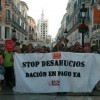
Defying Foreclosures in Spain
Shouting slogans against bank foreclosures, dozens of protesters in this southern Spanish city gathered Wednesday to prevent the eviction of a Moroccan family who couldn’t afford to meet their mortgage payments.
Regional Trade Key to African Food Security, World Bank Says
The World Bank is urging African countries to strengthen regional food trade, suggesting that food security could be greatly enhanced simply by allowing farmers to trade more easily across the continent.
Sorting Out Mexico City’s Chaotic Transport System
Greater integration of public passenger transport is a major challenge facing the next government of the Mexican capital, one of the most traffic-congested cities in the world, if it wants to guarantee people the right to mobility.
Entrepreneurs and Women: Keys to Growth in Africa
The international financial crash of the late 2000s created more than a global economic recession: it accentuated popular doubts about the paradigms on which our economies are built and prompted a closer look at two crucial drivers of economic growth: women and entrepreneurship.
‘Malala’s Cause Is Our Cause’
Less than two weeks after being left for dead by the Taliban, Malala Yousafzai is standing up on her own two feet.« Previous Page — Next Page »


 Romani people in Cairo, Egypt, forage through trash. Credit: UN Photo/Armineh Johannes
In 2015, the United Nations adopted the Sustainable Development Goals (SDGs) in an effort to promote “peace and prosperity for people and the planet.” To achieve that goal, it is essential to provide equal opportunities and access to basic services to all people. The 2025 UN SDG Report found that 35% of the 169 SDG targets are on track or making moderate progress, while 18% have reversed compared to the 2025 baseline. One in ten people still live in extreme poverty, one in eleven experience food insecurity, and over 1.1 billion people live in slums without access to clean water and sanitation. It is imperative to acknowledge the societal, technological, economic, and political issues that sustain poverty in countries around the world. Eradicating poverty will require significant frameworks in policy and governance on a national and international scale to ensure that all people will have equal access to basic services and economic opportunities by 2030. Furthermore, a dramatic reduction of United States foreign aid in 2025, including the termination of 83% of USAID programmes, threatens to erode years of fragile development gains.
Throughout the world, violent conflict and natural disasters also contribute to extreme poverty. The complete destruction of infrastructure and blockage of aid has significantly impoverished Palestine since October 7th. The destructive impact of Hurricane Maria in Puerto Rico left $91 billion in damage. An inadequate US government response also revealed significant and enduring questions within the issue of mitigating poverty: how do we rebuild infrastructure after its destruction? How do we restimulate economic development and bring in financial aid after disasters? Similar questions have been raised in the realm of regional cooperation, as devastating floods have wrecked hundreds of thousands of homes across multiple Southeast Asian nations in the past few years. Furthermore, the COVID-19 pandemic has greatly exacerbated the global poverty crisis, particularly in developing countries, setting back the United Nations goal of eradicating poverty by 2030.
IPS is committed to providing comprehensive features that focus on the persisting environmental, sociopolitical, and systemic issues that sustain poverty, and the steps taken worldwide towards poverty eradication.

The Week with IPS

NEXT STOP - SDGs
Tracking global progress towards a sustainable world
Tracking global progress towards a sustainable world

