Languages
Wednesday, October 28, 2026



News and Views from the Global South
Sustainable Development Goals

Africa’s Critical Minerals Poised to Power Global Green Energy Transition
Although Africa holds more than 30 per cent of the world’s critical green minerals—including cobalt, lithium, manganese, and rare earth elements vital for building batteries, wind turbines and solar panels— this has not translated into prosperity for the continent.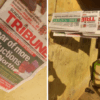
Authorities Urged to Take Lawful Measures to Stop Mass Abductions in Nigeria
On the morning of 17 November 2025, darkness cloaked Maga town in the Danko/Wasagu Local Government Area, Kebbi State, until gunfire shattered the silence. It was around 4 am when armed attackers stormed the Government Girls Comprehensive Secondary School, firing into the air to terrify residents before heading to the staff quarters. There, they killed two, including Hassan Yakubu, the school’s Chief Security Officer and then abducted 26 female students.
From Access to Action — Carbon Markets Can Turn Developing Countries’ Ambitions into Realities
The UN climate talks at COP30 once again brought the critical issue of climate finance to the forefront of global discussions. However, while much of the debate revolved around traditional forms of aid directed at developing countries most vulnerable to the impacts of climate change, a faster, more transformative approach lies in expanding access to carbon markets.
South Africa’s G20 Presidency: Diplomatic Victory, but a Weak Final Declaration
US president Donald Trump’s efforts to derail a successful wrap-up of the G20 summit in Johannesburg failed. Trump boycotted the meeting and the US told other countries through diplomatic channels not to sign a communiqué. Nevertheless, the 19 remaining countries and regional organisations signed a 30-page declaration.
‘Inclusive Digital Transformation Will Pave Path for Prosperity, Bridge Divides’
Weeks after an international conference on inclusive and people-centric digital transformation organized by the Global Development Network (GDN) here, a new narrative is unfolding about the need for digital innovations to serve people first and narrow inequalities rather than widening them.
Zanzibar’s Battle to Save Endangered Turtles Intensifies as Global Study Exposes Deadly Microplastic Threat
On a warm morning at Matemwe, a small crowd gathers behind a rope barrier as the sand begins to tremble. A tiny head pushes through a soft mound of earth, then another, and another. Within minutes, the shallow nest—protected for weeks by a ring of wooden stakes and mesh—comes alive with the rustle of dozens of hatchlings. Volunteers crouch nearby, recording the emergence time and shading the small creatures with their hands to protect them from swooping gulls.
Bonn to Belém: Three Decades of Promises, Half-Delivered Justice, and Rights-Based Governance Is Now Inevitable
COP30 in Belém is not just another annual climate meeting; it is the 32-year report card of the world governance architecture that was conceived at the Rio Earth Summit of 1992. And that is what report card says: delivery has been sporadic, cosmetic and perilously disconnected with the physics of climatic breakdown.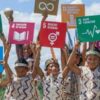
The Role of Youths in Shaping UN’s Post 2030 Development Agenda
Less than five years from 2030 it is time for the international community to confront the future of the Agenda 2030 and its Sustainable Development Goals.
COP30 Was Diplomacy in Action as Cooperation Deepens—Says Climate Talks Observer
As observers at the Conference of Parties closely monitored proceedings in Belém, many, such as Yamide Dagnet, approached the UN Climate Summit as an implementation COP. They are advocating for tangible signals to ignite crucial climate action before the climate crisis reaches irreversible levels.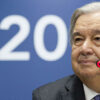
The G20 has Failed on Debt. Time to Look to the UN
When South Africa assumed the Presidency of the G20, debt sustainability was placed front and centre, with the promise to launch a Cost of Capital Commission. Many hoped that, with an African country at the helm, the G20 would finally deliver real solutions to the debt crisis gripping the Global South - particularly Africa.
Unpacking COP30’s Politically Charged Belém Package
Following tense, nightlong negotiations and bitter rows between more than 190 country delegations, a “politically charged Belém package" was finally forged at COP30—so named because of the highly contentious and difficult-to-negotiate issues within the climate talks.
If COP30 Fails, It Won’t Be North vs. South, but Power vs People
Belém, at the mouth of the Amazon River, was always going to be a symbolic host for the UN COP30 climate summit, but the mood here has gone far beyond symbolism.
Rainwater Harvesting Mitigates Drought in Eastern Guatemala – VIDEO
 Plagued by drought, farming families living within the boundaries of the Dry Corridor in eastern Guatemala have resorted to rainwater harvesting, an effective technique that has allowed them to cope.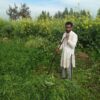
Evaluation Finds Food Systems Programs Deliver Results but Warns of Missed Transformation Chances
A new independent evaluation of the Global Environment Facility’s food systems programs says they are delivering strong environmental and livelihood gains in many countries but warns that a narrow focus on farm production, weak political analysis, and shrinking coordination budgets are holding back deeper transformation.
School Days Lost, but Non-Economic Loss and Damage Not Part of Global Talks
Jyoti Kumari missed her online classes again today. Her father, a vegetable seller in West Delhi’s vegetable market, had to go to work, taking with him the only smartphone the family uses. Kumari has been taking online classes since November 11, when the state government declared a shutdown of all elementary schools due to air pollution hitting the “severe” category.
Sidelined—Quilombos Fight on for Health of World’s Largest Rainforest
Just 30 minutes from where the UN climate negotiations are unfolding in the port city of Belém, Afro-descendant communities are engaged in a fierce struggle for the full recognition and legal titling of their ancestral territories—critical as their security and livelihoods are compromised by businesses wanting to set up contaminating landfill sites and drug cartels.
From COP28 to Belém – Climate Security is Health Security
Around the world, the climate crisis is fast becoming the biggest public-health threat of the century. Extreme heat now kills more Europeans than any other natural disaster. Floods in Asia displace millions and contaminate water supplies. Mosquito-borne diseases once confined to the tropics are appearing in southern Europe and the United States.
Beyond Buzzwords: COP30’s Opportunity to Deliver on Sustainable Food Systems
The language of agricultural sustainability changes like the seasons—from “climate-smart” to “regenerative,” “agroecological,” and “nature-positive.” Each term reflects good intentions, but the growing list risks duplication, confusion and delays.
Africa has a Debt Crisis: Momentum from G20 in South Africa can Help Find Solutions
The end of South Africa’s G20 presidency does not mean the end of its ability or responsibility to promote the issues it prioritised during 2025. It can still advocate for action on some of these issues through its further participation in the G20 and in other international and regional forums.
Cold or Heat, A Disputed Roadmap to Leave Fossil Fuels Behind in COP30
The heat in the Hangar Convention Center of the Amazonia, in the northeastern Brazilian city of Belém, has reached the negotiation rooms of the climate summit. Over the past 72 hours, one of the most delicate and significant discussions of this climate meeting has been taking place: the path to progressively abandon the production and use of coal, gas, and oil.
Civil Society Warns of New Land Grabs as World Bank Pushes for Tenure Reforms in Africa
As the COP30 negotiations intensify in Belém, Brazil, civil society organizations and research experts have called out major financial institutions for promoting foreign interests in controlling Africa's land by formalizing land tenure and seeking to convert Africa's land into industrial farms or carbon markets.« Previous Page — Next Page »





The Week with IPS

NEXT STOP - SDGs
Tracking global progress towards a sustainable world
Tracking global progress towards a sustainable world
