Languages
Sunday, November 8, 2026



News and Views from the Global South
Editors' Choice
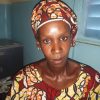
How Senegal is Providing Reproductive Health Services to those Who can Least Afford it
Pregnant with her second child, 30-year-old Ndiabou Niang was enduring pelvic pain, but couldn’t afford to access prenatal care in Diabe Salla, a village on the outskirts of the small town of Thilogne in north-east Senegal. Her husband was unemployed and her earnings of under CFAF 10,000 (17 USD) from selling seasonal fruits in the local market were insufficient to make ends meet.
Electrification of Transport: A Challenge for Urbanised Latin America
Electric transport, still limited in Latin America despite its urban benefits, could expand during the post-pandemic economic recovery, says Adalberto Maluf, president of the Brazilian Association of Electric Vehicles (ABVE).
Providing an Education in Favour of Senegal’s Girls
When Fatima* became pregnant in the middle of the school year and dropped out, she was disowned by her parents. Hers is a story that could have ended as another statistic of dropout rates among female learners in Senegal.
Q&A: How Kazakhstan’s Transgender and Lesbian Women are Being Impacted by COVID-19
The coronavirus lockdown in Kazakhstan, and the resultant limited public oversight and limited publication engagement, has paved the way for the government to propose amendments to the country's laws around gender that could see the exclusion of the rights of the Lesbian, Gay, Bisexual, Transgender, and Queer (LGBTQ) community.
Beware the ‘Hunger’ to Access Indigenous Peoples’ Land and Resources for Post-COVID-19 Recovery
When governments and states begin their recovery journey from the economic downturn caused by the coronavirus pandemic, there might be a heightened threat to indigenous peoples, their land and resources. “The fear is [that] the economic recovery is based on access to land and natural resources,” Lola García-Alix, senior advisor on Global Governance at the International Work Group for Indigenous Affairs (IWGIA), told IPS.
Digital Agriculture Linking Indian Farmers to Consumers Can Impact Food Security
Digital technologies in agriculture are helping address the twin problems of food security and supply chain disruptions triggered by COVID-19 in India, while augmenting the income of smallholder farmers. Leveraging technology to match supply and demand of resources and food is key to overcoming the issues of starvation and food supply interruptions, Anshul Sushil, CEO and co-founder at Wizikey, a software that allows businesses to reach media directly, eliminating the middlemen, tells IPS.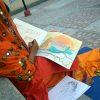
In India, Climate Change is Increasing Refugees & Human Trafficking
In India the impacts of climate change induced extreme weather events on the lives and livelihood of people, particularly belonging to the poor and vulnerable sections of the society, are increasing alarmingly with each passing year.
Non-formal Education Helps Senegalese Women Combat FGM and Harmful Practices
Growing up in Senegal’s southern Casamence region — a conflict zone — Fatou Ndiaye, now 43, often heard gunfire and watched fearfully as she saw people flee their villages. But what she dreaded more than a flying bullet was Female Genital Mutilation (FGM).
Has COVID-19 Pushed Women in Politics off Kenya’s Agenda?
In 2013, Alice Wahome ran in her third attempt to win the hotly-contested Kandara constituency parliamentary seat in Murang’a County, Central Kenya. As is typical of rural politics, the field was male-dominated, with the stakes being high for all candidates but more especially so for Wahome — no woman had ever occupied the Kandara constituency parliamentary seat.
The Goan Village Women Helping Mitigate Plastic Pollution by Making Eco-friendly Sanitary Pads
Jayashree Parwar has not traveled much outside of her village of Bicholim in the western coastal Indian state of Goa. But the homemaker-turned-social-entrepreneur has been reaching women in dozens of cities across the country with a hygiene product she makes at home along with women from her community. Called Sakhi (friend in Hindi), the plastic-free sanitary pad is Goa’s first menstrual hygiene product made with organic materials.
India’s Test along the Line of Actual Control
Being the sole candidate from the Asia Pacific region for the non-permanent seat of the United Nations Security Council (UNSC), India was elected by 184 votes in the 193-member United Nations’ General Assembly. on June 17, 2020.
COVID-19 Pandemic Could Widen Existing Inequalities for Kenya’s Women in Business
Pauline Akwacha’s popular chain of eateries, famously known as Kakwacha Hangover Hotels and situated at the heart of Kisumu City's lakeside in Kenya, is facing its most daunting challenge yet. Akwacha and other women in business across this East African nation are bracing themselves for the post-COVID-19 economy.
Indigenous Farmers Harvest Water with Small Dams in Peru’s Andes Highlands
A communally built small dam at almost 3,500 meters above sea level supplies water to small-scale farmer Cristina Azpur and her two young daughters in Peru's Andes highlands, where they face water shortages exacerbated by climate change.
Sudan’s Partners Pledge almost $2Bn but Is it Enough?
This week, when Sudan's Minister of Energy and Mining Adil Ibrahim addressed the country, stating that households will face power-cuts for up to seven hours a day, people had already been sitting on plastic chairs outside their homes, scouring the internet to purchase battery-operated fans. This Northeast African nation has seen temperature highs of up to 41 degrees Celsius recently.
COVID-19 Increases Suffering of Children in Conflict
The current coronavirus pandemic is having a profound affect on children in conflict zones -- with girls especially being at higher risk of violence and sexual health concerns.
Senegalese Women’s Participation in Energy Sector equals Empowerment
Aïssata Ba, 45-year-old widow and mother of seven children, has been practising market gardening for the past 30 years in Lompoul Sur Mer village in the Niayes area of north-west Senegal. For many women in the village, endowed with fertile soil and favourable climate, it is the primary source of income throughout the year.
E-learning Divide Places World’s Disadvantaged Children at Risk of Dropping Out
The COVID-19 pandemic has brought a new layer of challenges to inclusive education. As many as 40 percent of low and lower-middle income countries having not supported disadvantaged learners during temporary school shutdowns, finds United Nations Educational, Scientific and Cultural Organization’s 2020 Global Education Monitoring Report released today, Jun. 23.
Sudan, Where Illegal Abortions remain Dangerous and Deadly
Omnia Nabil*, a Sudanese doctor, who worked in one of the largest hospitals in Khartoum, the country’s capital, was devastated to witness the deaths of 50 young women who had unsafe abortions during a space of just three months.
Q&A: Sexual Violence Survivors and their Access to Care Should not Be Forgotten
While the coronavirus does not discriminate, its impact does. And the needs of survivors of sexual violence in conflict "cannot be put on pause, and neither can the response” during the current COVID-19 pandemic.
Post-harvest Losses Becomes Tanzania’s Loss in Youth Farming
As she says goodbye to a group of her friends, Esther Ishabakaki asks whether any of them knows a good tailor who might be interested in joining her newly-opened clothing business. It’s a venture she started three months ago after quitting her farming venture.
Food Insecurity Concerns for Latin America and the Caribbean
The multi-dimensional impacts of the coronavirus pandemic in Latin America could lead to a “hunger pandemic” if not addressed with urgency.« Previous Page — Next Page »





The Week with IPS

NEXT STOP - SDGs
Tracking global progress towards a sustainable world
Tracking global progress towards a sustainable world
