Languages
Sunday, November 8, 2026



News and Views from the Global South
Editors' Choice

Keeping Education within the Grasp of Refugee Children
“Not being able to go to school is not something I’d wish on any child in this world,” said 21-year-old Nujeen Mustafa, a young advocate for refugees who fled the Syrian war with her sister. Mustafa, who now lives in Germany, is also the United Nations Human Rights Council (UNHCR) high profile supporter.
Youth Rural-Urban Migration Hurts Malawi’s Agriculture
As households in Chiradzulu District in Southern Malawi start preparing their farms for the next maize growing season, Frederick Yohane, 24, is a busy young man.
Understanding the Benefits of local Wetland Encourages Eswatini Community to Save it
Sibonisiwe Hlanze, from Lawuba in Eswatini’s Shiselweni Region, lights up as she shows off her sleeping mat which she made from what she described as “the highest quality indigenous fibre”.
Warming Temperatures & Decades of Oil Spills Cause Irreversible Damage to the Persian Gulf
The Persian Gulf is one of the most strategic waterways in the world and is also one of the most polluted. According to estimates by experts, pollution levels in the Persian Gulf are 47 times higher than the world’s average and are steadily increasing.
Bangladesh Deals with Triple Disasters of Flooding, Coronavirus and Lost Livelihoods
With nearly 5.5 million people people across Bangladesh affected by severe flooding -- the worst in two decades -- humanitarian experts are concerned that millions of people, already badly impacted by COVID-19, will be pushed further into poverty.
Kashmir Now Hotspot of Illegal Riverbed Mining
Going against its own orders, the government in the Indian Union Territory of Jammu and Kashmir has ordered the fast-tracking of environmental clearances despite manifest evidence of illegal sand mining.
SDGs: Accelerating Action & Transformative Pathways through Nature-based Solutions
The theme of this year’s High-Level Political Forum, where governments reviewed progress on the Sustainable Development Goals was “Accelerated action and transformative pathways: realizing the decade of action and delivery for sustainable development.”
Sierra Leone – Why Everyone is Not Celebrating the New Media Law
Last week, Sierra Leone’s parliament voted to repeal the country’s 55-year-old libel law, which criminalised the publication of information that was deemed defamatory or seditious, and which had been used by successive governments to target and imprison media practitioners and silence dissenting views. But not everyone is convinced it was in the best interest of media freedom.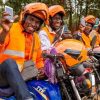
Ride-Hailing App Delivers Contraceptives to Users’ Doorsteps
When Betty Nagadya walks through the trading centre on her way home, she sings a song in the local Luganda language: “SafeBoda, SafeBoda, who needs a helmet?” she sings. “For those who feel cold, I have a coat for you.” But her song is not about clothing – it’s about condoms.
Solar Energy Expands in Brazil Despite the Pandemic
Solar energy has continued to expand in Brazil during the COVID-19 pandemic and should contribute to the economic recovery in the wake of the health crisis.
Myanmar’s Protection Bill falls Short of Addressing Violence against Women
A legislation that aims to protect women against violence in Myanmar, while long overdue, is raising concern among human rights advocates about its inadequate definition of rape, vague definition for “consent”, and anti-lesbian, gay, bisexual, and transgender rhetoric.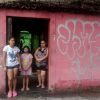
It was Meant to Be a Ground-breaking Year for Gender Equality but COVID-19 Widened Inequalities
Sixteen-year-old Suhana Khan had just completed her grade 10 exams in March, when India imposed a nationwide COVID-19 lockdown. Since then, she has been spending her mornings and evenings doing household chores, from cooking and cleaning to fetching drinking water from the tube well.
Trinidad Skilfully Handles COVID-19 but Falls Short with Wildlife
Most of the countries in the Caribbean have done a great job of containing the COVID-19 pandemic, with a few notable exceptions, namely, Haiti and the Dominican Republic. A University of Oxford study highlighted Trinidad and Tobago as being among the most successful. However, management of wildlife and illegal hunting in that country remains ineffective.
Inadequate Water & Sanitation Threatens Women’s & Girls’ Development in Senegal
With Tabaski (Eid al-Adha) around the corner, 11-year-old Fatoumata Binta from Terrou Mballing district in M'Bour, western Senegal, wakes up early and joins her brothers Iphrahima Tall and Ismaila to fetch water from a river several miles from home.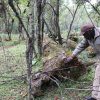
How Kenya’s Indigenous Ogiek are Using Modern Technology to Validate their Land Rights
The Ogiek community, indigenous peoples from Kenya’s Chepkitale National Reserve, are in the process of implementing a modern tool to inform and guide the conservation and management of the natural forest. The community has inhabited this area for many generations, long before Kenya was a republic. Through this process, they hope to get the government to formally recognise their customary tenure in line with the Community Land Act.
Tobacco Industry Factoid on Illicit Trade Leading Governments Astray
A factoid is unreliable information repeated so often that it becomes accepted as fact. One such factoid repeatedly echoed across the globe by the tobacco industry is that tobacco tax increases worsen cigarette smuggling.
Are Women-led Startups Key to Sustainability in Senegal?
Growing up in the Senegalese capital of Dakar, Siny Samba (28) watched with fascination as her grandmother made snacks for her family, using the fresh fruit from their garden. She would often help her grandma make these snacks to feed the neighbourhood children.
IPS Webinar: Gender Equality Crucial in ‘Building Back Better’ Post-COVID-19
While men are more likely to die from COVID-19, women are facing the full blow of the socio-economic fallout from the ongoing pandemic as well as seeing a reversal in equality gains made over the last two decades, says an all-women panel of international thought leaders, who met virtually during a discussion convened by IPS.
Fog Traps Save Chilean Farming Community from Severe Drought
"The harvested water has helped us at critical times and the fog nets have also brought us visibility. Today we produce beer here and many tourists come," says Daniel Rojas, president of the Peña Blanca Agricultural Community in Chile.
UN Chief Remains Focused on Re-election While Geneva Staff Feel Abandoned
Two years have passed since the introduction of the illegal pay cuts imposed on staff in the Professional category-- and above-- working for the UN in Geneva, following a cost of living survey conducted by the International Civil Service Commission (ICSC) in 2016.
Q&A: Understanding COVID-19’s Impact on Food Security and Nutrition
While it is too early to assess the full impact of the global COVID-19 lockdowns, at least 83 million to 132 million more people may go hungry this year -- 690 million people were classified as hungry in 2019 -- as the pandemic has highlighted the vulnerabilities and inadequacies of global food systems.« Previous Page — Next Page »





The Week with IPS

NEXT STOP - SDGs
Tracking global progress towards a sustainable world
Tracking global progress towards a sustainable world
