Languages
Sunday, November 8, 2026



News and Views from the Global South
Biodiversity

Protecting One of Africa’s Most Enigmatic Creatures
The manatee, or sea cow, is a torpedo-shaped marine mammal that moves languidly through the tepid waters of the Caribbean, South America and along the coast, rivers and wetlands from Senegal down to Angola. In the late 18th century, one of the manatee's closest and much larger relative, the Stellar Cow, were hunted to extinction. Today, the future of the West African manatee may not be far behind.
Sorghum Proving Popular with Kenyan Farmers
Gadam sorghum was introduced to semi-arid regions of eastern Kenya as a way for farmers to improve their food security and earn some income from marginal land. The hardy, high-yielding sorghum variety has not only thrived in harsh conditions, it has won a place in the hearts - and plates - of local farmers.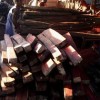
Illegal Logging Spreading in Madagascar
The transitional authorities in Madagascar are struggling to overcome the problem of illegal logging of precious wood. In spite of an April 2010 decree that prohibits the logging, transporting, trading and export of precious woods, felling in the forests is still continuing.
BRAZIL: New Forest Code Could Hinder Climate Goals
The adoption of a new Forest Code in Brazil could threaten efforts to curb Amazon deforestation, which was reduced 70 percent between 2004 and 2010.PERU: Native Birds Under Threat from Illegal Logging
Unique species of native birds live in the transition zone in Peru between the Andes mountains and the Amazon rainforest, where illegal deforestation is destroying their habitat.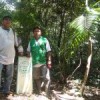
PERU: Guardians of the Dry Forest
Half-shouting over the roar of the old truck we are riding in, Peruvian farmer Pablo Escudero points to a green wall that rises up in the distance and says, "That’s our ‘rain caller’, the place we have fought so hard to create, which will be our legacy to our children."ENVIRONMENT: Women Key to Greening the Economy
Earth Day celebrated its 41st year Friday with the slogan ‘A Billion Acts of Green’. The grassroots demonstration is said to have inspired the modern environmental movement, and continues to inform and promote green economic policies worldwide, while attracting over a half billion people every year.
U.S.: BP Handling of Claims Slammed by Gulf Residents
Attorney Kenneth Feinberg, paid by BP to administer the firm's 20-billion-dollar compensation fund, has become the focal point of anger for Gulf residents who are angry, frustrated and desperate for help following last year's massive oil disaster.
PERU: Endangered Monkey Survives in Tiny Private Paradise
A conservation area covering a mere 23.5 hectares has become a refuge for a unique and endangered animal species in the northeastern Peruvian region of San Martín: the Andean titi monkey. This wilderness preserve was created by a local woman who singlehandedly set out to re-establish a small area of native forest.
Stress and Anger over BP Oil Disaster Could Linger for Decades
As the one-year anniversary of the record-breaking BP oil spill in the Gulf of Mexico approaches, mental health experts and social scientists warn of decades of impact on Gulf residents.
ENVIRONMENT: Military Debris Threaten Oceans
 Military debris dumped into the world’s oceans are hazardous to coral ecosystems, reefs, fish and marine wildlife, say experts, who also warn - in light of the recent tragedy in Japan - that earthquakes and tsunamis could disturb this debris and even wash it ashore.
Antarctic Penguin Population Declines with Krill
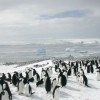
Two species of Antarctic penguins have declined sharply over the past 30 years as their chief food source has been devastated by a combination of other predators, over-fishing, and rapidly melting sea ice caused by global warming, according to a new study released here Monday by the National Academy of Sciences.
EUROPE: The Harmless Invasion of the Pacific Oyster
In the 1970s, French oyster breeders introduced the Pacific oyster (Crassostrea gigas) to the Bay of Biscay to diversify the area’s species and develop the commercial oyster industry.
WORLD HEALTH DAY: The Ten-Year Timeline for Antibiotics Burnout
Though the World Health Organisation (WHO) has focused this year's World Health Day Apr. 7 on prioritising the struggle against the global spread of antimicrobial resistance (AMR), scores of international researchers and scientists fear this decision is coming too late, with 2011 already shadowed by the failure of pharmaceutical antibiotics to curb the proliferation of diseases.A Fatal Addiction to Plastic
"Be fantastic, don't use plastic!" chanted a troop of 10-year- olds from President Thomas Jefferson Elementary School in Honolulu at the conclusion of an international conference on the millions of tonnes of trash that enter the oceans every year, with serious consequences for marine life and habitats as well as to human health and the global economy.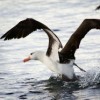
ARGENTINA: Cutting-Edge Model of Coastal Protection
Governments, environmentalists and private companies have just under four years to establish joint management of 43 protected areas on Argentina’s Atlantic coast, one of the world’s most productive and best preserved biomes.Fight Against Marine Garbage Runs Into Plastics Lobby
Every day, billions of plastic bags and bottles are discarded, and every day, millions of these become plastic pollution, fouling the oceans and endangering marine life.
Plastic Circulating Endlessly in World’s Oceans
That plastic bottle or plastic take-away coffee lid that has 20 minutes of use can spend decades killing countless seabirds, marine animals and fish, experts reported here this week.
Tanzania Biofuel Project’s Barren Promise
An ambitious project to produce clean energy for the Netherlands and Belgium has degenerated into a controversial abuse of natural resources in Africa.
Biodiversity Panel Learns from IPCC Experience
After five years of preparation the international community is expected to launch the Intergovernmental Platform on Biodiversity and Ecosystem Services this year. For some of its proponents, even the decisions of the World Trade Organisation should be subject to its analysis.Warming Hits Food Chain at the Bottom of the World
Wildebeests have the Serengeti, and tiny krill the sea ice. But in the upside-down world of the Antarctic Peninsula, one of the biggest shows on earth would pass unheeded except for the work of a band of polar scientists seeking clues to what changes in temperatures and sea ice levels mean to wildlife.« Previous Page — Next Page »





The world's diverse flora and fauna are facing urgent threats due to pollution, climate change, commercialization of nature and other forms of harmful human intervention. The widespread loss of biodiversity is worrying not simply because of the disappearance of exotic species which deserve saving, but because tampering with nature's equilibrium means that the loss of one form of life is a threat to another. IPS taps into its own diverse network of correspondents around the world to report on continuing and emerging dangers to nature's riches - and the struggle to protect them.

The Week with IPS

NEXT STOP - SDGs
Tracking global progress towards a sustainable world
Tracking global progress towards a sustainable world
