Languages
Sunday, November 8, 2026



News and Views from the Global South
Biodiversity
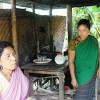
BANGLADESH: Tribal Women Take on Forest Ranger Roles
Jasinta Nokrek loves nothing better than to range through the dense Modhupur forest, the way her Garo tribal ancestors have always done.
INDIA: Kashmir Pays for Environmental Neglect
Years of poor policies and neglect are taking a toll on Kashmir’s unmatched ecological assets, that also happen to be international tourist attractions.
Trekking Trails Lead Nepal Women to Empowerment
Dawa Gyalmo Sherpa’s three sons went to look for blue-collar jobs in Malaysia, Jordan and Saudi Arabia, saying Mulkharka, their tiny village in Kathmandu valley, had no livelihood prospects./CORRECTED REPEAT*/: Burkina Faso Losing Thousands of Hectares of Forests Each Year
The Burkina Faso authorities have sounded the alarm over the increased rate of degradation of forests in this Sahelian country.
Ailing Tuna Fisheries Hit Hard by Poachers
Miles away from the briny business of tuna harvesting, delegates from around the world gathered in San Diego, California for three days in mid-July to discuss the future of the fishing industry.
Q&A: “Urgent CO2 Cuts Critical to Save Our Oceans”
The health of the world's oceans is much worse than is widely believed, but it is not too late to change tack and help this critical ecosystem recover, at least in part, experts say.
BOLIVIA-PERU: Major Efforts Still Needed to Clean Up Lake Titicaca
Efforts to combat pollution in Lake Titicaca, which straddles the borders of Peru and Bolivia high up in the Andes mountains, have shown slightly better results in Puno Bay on the Peruvian side, but have barely made a difference in Cohana Bay on the Bolivian side, according to local fishers and specialists interviewed by Tierramérica.Selling Nature to Save Nature, and Ourselves
Avoiding the coming catastrophic nexus of climate change, food, water and energy shortages, along with worsening poverty, requires a global technological overhaul involving investments of 1.9 trillion dollars each year for the next 40 years, said experts from the U.N. Department of Economic and Social Affairs (UN-DESA) in Geneva Tuesday.
NEPAL: Women Grow Carbon Money on Trees
When Bina Tamang was told that she could earn money by not felling trees in the tiny forest that serves as the source of fuel and fodder for 65 families in her area, the 27-year-old was incredulous.
INDIA: ‘Seed-Mothers’ Confront Climate Insecurity
In eastern Orissa state’s tribal hinterlands about 200 ‘seed-mothers’ are on mission mode - identifying, collecting and conserving traditional seed varieties and motivating farming families to use them.Tourism, Climate Change – Threats to Antarctic Wilderness
Too many tourists and too much climate change are the main concerns of environmental organisations and the governments of signatory countries of the Antarctic Treaty, which came into effect 50 years ago.Pollution Rising Fast in China’s Seas
Rapid economic growth in China’s coastal regions has resulted in serious levels of ocean pollution, damaging marine life and posing a threat to humans. As much as half of China’s offshore areas are considered polluted.
Biodiverse Venezuela Flunking Basic Conservation
Threats to biodiversity, spreading pollution, degraded river basins and disappearing forests are problems in oil-rich, megadiverse Venezuela, where climate change is knocking on the door.Dam Project in Turkey Breeds Controversy
The tranquillity and mystery of this town on the banks of Tigris River will not last long. The millennia-old town will be nearly totally destroyed once the nearby Ilisu dam, built for energy and irrigation, is complete.
ENVIRONMENT DAY: Better to Plant a Tree Than Curse the Desert
With deforestation claiming 5.2 million hectares annually and governments seemingly incapable of agreeing on a new pact to curb climate-altering carbon emissions, it would be easy to write off the situation as hopeless.
WORLD: Tropical Forest Summit Opens
Heads of state from the Amazon, Congo and Borneo-Mekong basins are meeting in the Congolese capital, Brazzaville: leaders hope to reach an accord on sound management of valuable rainforest ecoystems, but civil society actors believe the problems faced by local populations may be ignored.EUROPE: New Move to Protect Virgin Forests
Seven countries from the Carpathian Region in Eastern Europe have signed a protocol to prevent one of Europe’s last natural and virgin forests from disappearing at the hands of illegal logging.
PHILIPPINES: Biodiversity Threatened Before It’s Discovered
"Every time we go in the water, someone discovers something that's never been seen before," says Dr. Terrence Gosliner, leader of the ongoing 2011 Philippine Biodiversity Expedition.
Key Fisheries Treaty to Lapse in Rebuke to U.S.
For the past quarter century, the United States' relations with Pacific island nations were framed by the South Pacific Tuna Treaty, which combines foreign aid, subsidies to the U.S. fleet of purse-seine fishing vessels and their largely unfettered access to the islands' waters, which contain the world's last major stocks of tuna.Europe Sowing the Seeds of Hunger
Europe is facing a hungry future unless it changes agricultural policies and makes farmers the main participants in agriculture research, a new report has found. And there is little hope of meeting Europe's recently announced goal of reducing the loss of biodiversity in ten years without making those changes.Global Campaign to Bestow Legal Rights on Mother Earth
An international coalition of academics and environmental activists has launched a global campaign for the creation of a new U.N. convention to protect "mother earth".« Previous Page — Next Page »





The world's diverse flora and fauna are facing urgent threats due to pollution, climate change, commercialization of nature and other forms of harmful human intervention. The widespread loss of biodiversity is worrying not simply because of the disappearance of exotic species which deserve saving, but because tampering with nature's equilibrium means that the loss of one form of life is a threat to another. IPS taps into its own diverse network of correspondents around the world to report on continuing and emerging dangers to nature's riches - and the struggle to protect them.

The Week with IPS

NEXT STOP - SDGs
Tracking global progress towards a sustainable world
Tracking global progress towards a sustainable world
