Languages
Monday, November 9, 2026



News and Views from the Global South
Biodiversity
ENVIRONMENT: Whaling Profitable but Bad for Iceland’s Image
Early April Greenpeace protestors in Rotterdam intercepted seven containers with 140 kg of fin whale meat from Iceland, destined for Japan. They said that the import of whale meat to the Netherlands is illegal, but Dutch authorities turn a blind eye on consignments destined elsewhere.CLIMATE CHANGE: Native Peoples Reject Market Mechanisms
Solutions to global warming based on the logic of the market are a threat to the rights and way of life of indigenous peoples, the Latin American Indigenous Forum on Climate Change concluded this week in Costa Rica.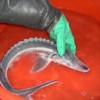
BIODIVERSITY-EUROPE: Sturgeons Return to the Danube
A century ago, when the Danube was still blue, it teemed with beluga sturgeon, as did the Rhine with salmon. But industrialisation and the construction of canals and dams have destroyed the habitat of both species of fish.
BIODIVERSITY: Trade Trumps Concern for Threatened Marine Species
As details emerge about the backroom politics and contentious votes that led to the failure to protect any of the several marine species up for international protection at a key conference the past two weeks, conservation advocates are looking ahead to influence regional, local and even individual choices in the next round of battles to save the threatened species.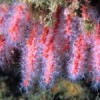
BIODIVERSITY: Corals Fight for Survival
The survival of corals, which face grave threats from ocean acidification, bottom trawling and the jewelry and decor trade, is in even greater doubt after a vote taken at a conference under way in Doha, Qatar.BIODIVERSITY: Lucrative Shark Trade Under Scrutiny
As climate change transforms the acidity and oxygen levels of the world's waters with devastating effects for some marine species, others are facing an even more immediate threat from human consumption.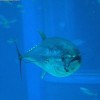
BIODIVERSITY: CITES Faces Political Storm over Tuna Ban
The vast majority of the species protected by the Convention on International Trade in Endangered Species of Wild Fauna and Flora, or CITES, live on land, but as marine species come under increasing pressure from unsustainable fishing and a range of climate change-related threats that focus is beginning to shift.ENVIRONMENT-LEBANON: Coastal Pollution Threatens Fisherfolk
Pollution, oil spills and difficult living conditions are some of the challenges that fishermen in this eastern Mediterranean country face daily.
Q&A: “We Have a Take-Make-Waste Economy”
To halt the planet's declining biodiversity and loss of critical natural resources, both the economy we live in and communication about science needs to be changed profoundly, says a prominent Dutch ecologist.BULGARIA: Govt Forced Down on Genetically Modifed Crops
Campaigning by environmental groups and the general public has weakened the determination of the Bulgarian government to allow the cultivation of genetically modified (GM) crops in this country.ENVIRONMENT-LATIN AMERICA: Glass Half Empty
The countries of Latin America have made progress in terms of access to clean water and sanitation, but have failed to curb greenhouse gas emissions and deforestation, says a new United Nations report.
Q&A: The Two Faces of Agriculture
The challenge of the 21st century is to transform agriculture into a good administrator of biodiversity and reverse its destructive capacity, without restricting its mission to feed a growing world population, said Achim Steiner, executive director of the United Nations Environment Programme.BIODIVERSITY: U.N. Treaty Key Tool in Conserving Ecosystems
In a bid to pressure policymakers to take urgent action to implement a major United Nations treaty on the preservation of plant and animal species, the world body has launched a global campaign to raise awareness about the importance of biodiversity.
BIODIVERSITY: Conservation Groups Pounce on Year of the Tiger
The Lunar New Year that begins Sunday will mark the start of the Chinese Zodiac's Year of the Tiger, but conservationists are saying 2010 will have much more than symbolic significance for the Asian big cat.BIODIVERSITY: India Bans Farming of GM Aubergine
After India’s Environment Minister Jairam Ramesh announced Tuesday a ban on the cultivation of Bt brinjal, the country’s first genetically modified (GM) food crop, food security experts and activists said this major farming country has been saved from a biodiversity disaster.
BIODIVERSITY: Companies Push Hard to Halt Tuna Collapse
In the Seychelles' only cannery, the din of thousands of empty tuna cans rattling on narrow metal troughs is incredible as they bustle along, soon to be filled with Skipjack tuna that only days ago were swimming freely in the inky blue Indian Ocean.
Q&A: ”There’s a Limit to Fish Harvesting”
The perilous state of the world's fish stocks has received less media attention than the more visible, palpable environmental problems like air pollution. Isabella Lövin is seeking to redress that balance. Her 2007 book ‘Tyst hav' (Silent Seas) hit the best-seller list in her native Sweden, garnering her three awards, including the title of 'Journalist of the Year'.ENVIRONMENT: Keeping Wetlands from Becoming Wastelands
Swamps, marshes and other wetlands are beginning to be recognised as a country's 'green jewels', even in a tropical paradise like Mahé Island here in the Seychelles, with its stunning beaches and dramatic granite outcrops.
BIODIVERSITY: The Amazon Is Not Eternal
The Amazon jungle "is very close to a tipping point," and if destruction continues, it could shrink to one third of its original size in just 65 years, warns Thomas Lovejoy, world-renowned tropical biologist.BIODIVERSITY: Northern “Biopirates” Gobbling up Resources
Rich countries are like biopirates, looting far-away lands for food, raw materials and cheap labour. They're plundering other richer ecosystems because they've largely destroyed their own. And they're blocking global efforts to create an independent scientific assessment panel that is likely point the finger at the real reason species are going extinct at 1,000 times their natural pace, experts say.BIODIVERSITY: EU Farmers Face Genetic Contamination of Seeds
Biodiversity, already decaying fast as a result of climate change and intensive farming, is under further threat by genetic modification (GM) of seeds, says a leading German ecological activist.« Previous Page — Next Page »





The world's diverse flora and fauna are facing urgent threats due to pollution, climate change, commercialization of nature and other forms of harmful human intervention. The widespread loss of biodiversity is worrying not simply because of the disappearance of exotic species which deserve saving, but because tampering with nature's equilibrium means that the loss of one form of life is a threat to another. IPS taps into its own diverse network of correspondents around the world to report on continuing and emerging dangers to nature's riches - and the struggle to protect them.

The Week with IPS

NEXT STOP - SDGs
Tracking global progress towards a sustainable world
Tracking global progress towards a sustainable world
