Languages
Monday, November 9, 2026



News and Views from the Global South
Biodiversity
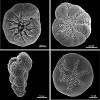
CLIMATE CHANGE: Acid Oceans Altering Marine Life
Some of the first species impacted by increasingly acidic oceans have been identified just as scientists meet in Copenhagen this week to present new data showing that climate change is far more urgent and serious than current economic problems.
ENVIRONMENT: Quest for the Amazon Turtles
Looking back, Mario Maranhão concludes that being a conservationist was always in his nature. When he had to hunt for a living, he "only killed enough to eat, and never went after the female animals," he says. Five years ago, he took on the mission of rescuing turtles that hatch near Alter do Chão, a natural paradise located in eastern Amazonia.
ENVIRONMENT-ISRAEL: Bury the Bridge
If all goes to plan, passengers will not get to see the beautiful Yitla Stream, or what is left of it, on the train from Jerusalem to Tel Aviv.
ENERGY-INDIA: Biofuelling Confusion
A cactus-like plant spread over acres of red, laterite soils in the Tree Oils research farm, in this arid part of southern India, is at the centre of huge divisions over India’s ambitious biofuel programme.
ENVIRONMENT-PAKISTAN: Death of a Delta
Sitting on a rickety bench outside the dispensary of Dr. Abdul Jalil at Deh Bublo, Issa Mallah, a centenarian, watches the world go by. He says he comes to this ‘city’ everyday to buy his groceries.
CLIMATE CHANGE: Controversy Sails with the Polarstern
The prestigious German oceanography ship Polarstern is conducting a major experiment of seeding the oceans with iron in order to absorb carbon dioxide, the principal greenhouse-effect gas.
ENVIRONMENT-INDIA: Tiger Census Helping Conservation
One year after India released a scientifically prepared census report of tigers in this country, it is being criticised by some as inadequate and acclaimed by others as a significant step towards stemming the rapid depletion of the big cat through poaching and habitat loss.
CLIMATE CHANGE: New Thinking to Tackle Old Problems
Organic and eco-friendly farming can feed the world, contrary to the common belief that biotechnology and chemical-intensive farming are indispensable, modern strategies to increase production, agricultural experts say.
ENVIRONMENT: Amazon Teetering on the Edge
The Amazon Basin captures 12,000 to 16,000 square kilometres of water per year, and just 40 percent of that flows through the rivers. The rest returns to the atmosphere through evapotranspiration of the forests and is distributed throughout South America.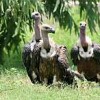
ENVIRONMENT-PAKISTAN: Warnings From Vanishing Vultures
"The thought of my carcass being pecked at by vultures isn’t at all pleasant," said Bapsi Sidhwa, a leading Pakistani diasporic writer now living in the United States. She was referring to the ancient Parsi funerary rite of 'sky burial'.ENVIRONMENT-JAPAN: Jail For Nailing Scientific Whaling Lies?
Two Greenpeace activists who exposed a black market in whale meat run by the crew of Japanese whalers face up to 10 years in jail while the government shows no discomfiture over the nailing of its ‘scientific whaling’ claims.ENVIRONMENT-INDIA: Goa Agitated by Shady Real Estate Deals
Simmering resentment against major, concrete development in rural Goa - famous for its exotic beaches and idyllic rural countryside - has now exploded in violent agitations against corrupt local administrations.
BIODIVERSITY: So Long, Salamanders
Mesoamerica's salamanders appear to be joining the global decline in amphibian species, like frogs, adding to the evidence of ecological change around the planet.BIODIVERSITY: Frigid Polar Regions Teeming With Life
Earth's two ice-covered polar oceans may be the most inhospitable places on the planet, but more than 12,000 species of animals have been found there, according to new research released at the annual meeting of the American Association for the Advancement of Science here.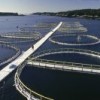
DEVELOPMENT: Aquaculture Awaits Its Heyday
With wild fish catches in sharp decline, aquaculture, which now accounts for nearly half of all seafood consumed, is expected to double production over the next two decades.
IRAQ: The River Too Tells the Story
There is less water now in the Tigris, and it is less clean. The river has fewer fish, and rising fuel and other costs mean they are more costly to catch. It's not, as Hamza Majit finds, a good time to be a fisher.AGRICULTURE-INDIA: Looking Beyond Wheat and Rice
Food security experts say India must wean itself away from dependence on wheat and rice and look to the sub-continent’s rich agro-diversity in order to address the kind of food crisis that hit the country last year - as well as longer-standing nutrition deficiency issues.ICELAND: Whaling Move Rocks Government
Two weeks ago, a day after the government of Iceland fell, outgoing fisheries and agriculture minister Einar K. Gudfinnsson announced a quota for commercial whaling for up to 150 fin whales and 100 minke whales for the next five years.ENVIRONMENT: Fishers Learn to Share Shrinking Catch
With the oceans in crisis, where will our fish - an important source of protein for billions of people - come from?
CHILE: Biofuels Head to the Forests
Chile has set its sights on producing second-generation plant-based fuels from forest biomass within the next five years. But before that it must consider the environmental and socioeconomic impacts of such an endeavour, warn experts and activists.ENVIRONMENT: Sharks Need to Fear Humans
Ever since the horror movie Jaws was released in 1975, sharks have been regarded as deadly creatures in the public imagination of many countries. The deep irony - as a senior European Union official stressed Feb. 5 - is that humans pose a far greater danger to sharks than vice-versa.« Previous Page — Next Page »





The world's diverse flora and fauna are facing urgent threats due to pollution, climate change, commercialization of nature and other forms of harmful human intervention. The widespread loss of biodiversity is worrying not simply because of the disappearance of exotic species which deserve saving, but because tampering with nature's equilibrium means that the loss of one form of life is a threat to another. IPS taps into its own diverse network of correspondents around the world to report on continuing and emerging dangers to nature's riches - and the struggle to protect them.

The Week with IPS

NEXT STOP - SDGs
Tracking global progress towards a sustainable world
Tracking global progress towards a sustainable world
