
Monday, June 29, 2026



News and Views from the Global South
Climate Change

Launch of EBRD Climate Adaptation Action Plan at COP27
As it moves to increase its climate adaptation finance, the European Bank for Reconstruction and Development (EBRD) has launched the EBRD Climate Adaptation Action Plan (CAAP) at COP27, the global climate summit taking place in Sharm el-Sheikh, Egypt.
Leaders Told To Put ‘Kids First’ at COP27
Lea is a three-year-old from Mexico who loves ladybirds. Siddhiksha, a six-year-old from India, has a passion for trees and wild animals. Rachelle is a 12-year-old Tanzanian who is wise beyond her years. They are smart and adorable and they are among the stars of a short film that is aiming to remind the leaders taking part in the COP27 UN Climate Conference that they have a duty of care towards young and future generations.
Climate Change is No ‘Future Scenario’ for Pacific Island Nations; Climate Change is ‘Real’
Pacific island countries are highly vulnerable to climate change, and several have disappeared – and more could sink under the sea owing to a rise in water levels.
COP27 Fiddling as World Warms
The latest annual climate conference has begun in the face of a worsening climate crisis and further retreats by rich nations following the energy crisis induced by NATO sanctions after the Russian invasion of Ukraine. Copping out again The 27th Conference of the Parties (COP 27) to the United Nations Framework Convention on Climate Change (UNFCCC) is now meeting in Sharm-el-Sheikh, Egypt, from 6 to 18 November 2022.
Climate crisis in Bangladesh: Stories from the ground

Adit Adhikary lives in Bangladesh’s southern coast, where land is going underwater, salinity is destroying agriculture and drinking water is scarce. Will conversations at COP27 reflect the needs of his community? Source: BRAC

Disappearing land in Bangladesh
Where do people go when their homes are washed away? In the 12 months since COP26, half of Lokkhi Mondol’s house has gone underwater.

Ground zero of the climate crisis
As COP27 ramps up, come with BRAC’s ED Asif Saleh to the frontline of the climate crisis in southern Bangladesh - where homes are now going underwater every day. We need climate action that gets to the ground, now. Source: BRAC

COP27: Cyclone Nearly Washed Away All My Dreams, says Vanuatu Youth Activist
The only thing Taren Chilia remembers about Cyclone Pam was that it flattened his school in Vanuatu, washing away books, equipment, and – well, almost his dreams too.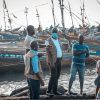
Why COP27 Matters to Sierra Leone
Sierra Leone is among the 10 percent of countries in the world that are most vulnerable to the adverse consequences of climate change, and presently one of the least able to cope with the effects.
COP27: Climate Justice: Where do the Religiously Marginalised Fit in?
Climate change reductionism – assuming the causes and the redress for those suffering the worst impacts of extreme weather lies with climate change alone - undermines the rights of religiously marginalised persons, but broadening whose rights are being advocated for in climate change can offer redress.
Indigenous Peoples Have Their Own Agenda at COP27, Demand Direct Financing
Indigenous peoples are no longer content just to attend as observers and to be seen as victims of the impacts of the current development model, at the 27th Conference of the Parties (COP27) on Climate Change. That is why they came to the summit in Egypt with an agenda of their own, including the demand that their communities directly receive funding for climate action.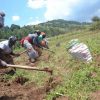
Climate Finance for Locally-Led Climate Solutions Needs a New Focus
Imagine a world where the people hit hardest by climate crisis have a say in how to stop it. Imagine that youth, Indigenous Peoples, women, and others most affected by global warming have the resources to implement their own climate solutions. Solutions that are highly effective because they meet local needs, suit the local context, and create sustainable economic opportunities for local people. This world would be one where people have a much better chance of surviving, and even thriving, despite the massive upheavals of the climate crisis.
Energy: Why Africa Must Be Part of Nuclear Energy Appetite
The search for energy diversification has taken a more frantic pace amidst the global energy transition debate.
COP27: Religious Multilateralism: An Endangered Species in the Age of Triple Planetary Crises
In this year’s COP 27 two-weeklong summit in Egypt, which concludes November 18, a rough count indicates there will be 40 different sessions organised by, for, and about, religious engagements in/on climate change and related issues. This is likely the highest number of events by and around religious actors, organised at a COP event.
COP27: Bolsonaro’s Defeat is a Triumph for Climate Change Advocates
The electoral defeat of Brazil’s Jair Bolsonaro is a triumph for everyone who is concerned about the peril of climate change. Bolsonaro’s well-deserved defeat could help save the Amazon rainforest, which has been ravaged under his criminal rule, and the process of reversing the looming climate change catastrophe can begin
Africa: Will COP27 Deliver or be a Climate Forum of Empty Promises?
Africa is counting on COP27 to deliver it from climate change. But will it?
COP27: Why Global Action is Needed to Decarbonise Industries Everywhere
Ahead of this year’s COP27 in Egypt, industry and government representatives from 15 developing countries across Asia, Latin America and Africa met in a series of consultations about the challenges and opportunities they face in decarbonizing some of their most energy intensive industries like steel, cement and concrete.
COP27: The Thorny Road to Sharm El Sheikh
The 27th Conference Of Parties (COP27) on Climate Change comes at a time when we are facing unprecedented challenges due to the magnitude and the interconnected nature of our multiple structural crises. The world's average temperature is now at 1,1℃.
Pacific Islands: Climate Finance Action a Priority at COP27
Today, the window of opportunity for scaled-up global climate action to prevent disastrous global warming and build resilience in the most vulnerable nations is closing fast. And a major impediment to reducing emissions and accelerating climate adaptation is both lack of financial investment and major bureaucratic hurdles to accessing those funds that are available.
Revealed: Rich Countries ‘Miserably’ Fall Below Their Climate Promises, Further Indebt the Poor
Just a few days ahead of the UN Climate Conference (COP27) in Egypt (6-18 November), new revelations show how far rich, industrialised countries –those who contribute most to the growing catastrophes- have been lying over their real contributions to climate finance.
COP 15: It’s Time to Decide on a Future
It is no secret that humankind’s past actions have accelerated the deterioration of ecosystems, negatively impacting our economies, societies, health, and cultures. It is estimated that humans have altered over 97% of ecosystems worldwide, to date. One million species are currently threatened with extinction (IPBES). The writing on the wall is clear. Our planet is in crisis. The sobering reality is that if we continue on our current trajectory, biodiversity and the services it provides will continue to decline, jeopardizing the achievement of the Sustainable Development Goals and our lives as we know them. The decline in biodiversity is expected to further accelerate unless effective action is taken to address the underlying causes of biodiversity loss. These causes are often justified by societal values, norms and behaviors. Some examples include unsustainable production and consumption patterns, human population dynamics and trends, and technological innovation patterns.« Previous Page — Next Page »


As unsustainable human consumption and production systems are driving changes in average temperatures and weather patterns, "abnormal" is increasingly becoming the norm. So far, a lack of financing has been standing in the way of a comprehensive global plan for climate adaptation, and a global financial crisis has contributed to an increasing reliance on public-private partnerships. Our Climate Change page provides you with the latest news about international and local efforts to address what's frequently been called "the challenge of our time", the forces behind the climate change and the impact it has on the world's most vulnerable populations. Along the way, we bring you stories on growing citizen awareness, new scientific data, and emerging climate policies towards sustainable development.

The Week with IPS

Tracking global progress towards a sustainable world

