
Wednesday, October 14, 2026



News and Views from the Global South
Environment

COP29 Focus On Climate Migration as Hotter Planet Pushes Millions Out of Homes
Migration is growing as the planet gets even hotter. Climate change is fuelling a migration crisis and millions of people in vulnerable nations are continually being uprooted from their homes. The climate and migration nexus are undeniable and the global community has turned to the Baku climate talks for urgent and sustainable solutions.
Saint Kitts and Nevis: Leading the Charge for Climate Justice, Renewable Energy
At COP29, Saint Kitts and Nevis, the smallest independent nation in the Western Hemisphere, stands as a beacon of climate action and renewable energy ambition.
Future of Children in 2050 Will Be Shaped Through Global Trends
The future of childhood will be fundamentally shaped by the interventions taken in the present that can determine how children’s rights are protected amid compounding issues. As a new report from UNICEF shows, global trends that are already influencing children’s welfare and development will continue to shape them and be a further reflection of overall global development.
Baksheesh, Kisses and Cabbies in Beautiful Baku
The cab driver, identified as Akad, growled, “Cash, cash," as we boarded our booked app-based taxi. I show him my phone, where the app clearly points to the payment confirmation. “No, no! Cash, cash!”
Dazzling Wildlife Portraits at COP29: A Conversation with Photographer Brad Wilson
As delegates at COP29 stroll through the venue in Baku, Azerbaijan, many pause to marvel at the stunning portraits of animals and birds adorning the pavilion walls. These 16 captivating images, showcasing Azerbaijan's rich biodiversity, are more than just art—they’re a call to action.

Embedding Education into Climate Finance Will Deliver Desired Learning, Climate Action Outcomes
Education is under threat as multiple crises push children out of school and into harms way. COP29 Baku could break historical barriers that hold back education from playing a unique, critical role to accelerate the ambition of nationally determined contributions (NDCs) to the Paris Agreement, protecting people and planet from life-threatening risks of climate change.
Pakistan’s Climate Minister Pitches for ‘Climate Diplomacy’ at COP29
Romina Khurshid Alam, the Coordinator to the Prime Minister of Pakistan on Climate Change, praised the resilience of the people of her country in the face of climate disasters and has put her faith into diplomacy to achieve climate justice.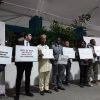
Don’t Lock Us Out of Negotiating Table—Indigenous Communities
Delegates representing Indigenous people’s rights have taken issue with the ongoing COP29 negotiations, calling for Parties to include text and language that promote Indigenous rights to be explicitly referenced in the consensus and outcome documents.
Qatar Committed to Achieving Nationally Determined Contributions by 2030
As global leaders gather at COP29 to address the urgent challenges posed by climate change, Saad Abdulla Al-Hitmi, Director of the Climate Change Department at the Government of Qatar, highlighted the nation’s ambitious goals in an interview with IPS, stressing its commitment to balancing environmental stewardship with economic growth.
Definitely Not on Track to save Life on Planet
Alongside climate finance, COP29 currently being held in Baku, Azerbaijan, was expected to serve as an important platform for nations to demonstrate their intention to submit stronger national climate commitments, strengthen adaptation efforts, and show tangible progress and action on previous pledges.
Mercury Pollution: A Global Threat to Oceans and Communities
Mercury pollution from burning coal is contaminating our oceans and seafood, threatening global health.
Housing for Tomorrow: Sustainable Solutions from Habitat for Humanity
In the face of a growing climate crisis, the connection between housing and environmental sustainability is becoming increasingly urgent.
Money Talks: Why COP29 New Collective Quantified Goal on Climate Finance Matters
The industrial revolution set the ball rolling towards global warming. Today, developing nations are on the frontlines of a climatic carnage and its snowballing effects. Developed nations bear a financial responsibility to provide climate finance to developing nations, as financing the transition to a low-carbon economy is an urgent, critical matter.
Explainer: Taxes on Cryptocurrencies and Plastics To Boost Climate Finance
The global climate aid fund is not the only option discussed at the World Climate Change Conference (COP29). Imposing a new tax on cryptocurrencies and the plastics industry could help close the money gap needed to address the impacts of climate change, especially in the countries of the Global South.
The Soil Mechanic: A Farmer’s Tale to Save Soil and Lives
In the heart of southern India lies an inspiring tale of determination, resilience, and an unyielding commitment to sustainable farming. This is the story of Anand Ethirajalu, who turned his childhood curiosity about food adulteration into a life mission to transform agriculture and protect human lives.
Survival at Stake: Caribbean Calls For Just, Fair Financing For Small Island States at COP
Communities living in Small Island Developing States (SIDS) pay the price of climate change in lives, livelihoods, and stunted sustainable development. Representatives from Caribbean islands have repeatedly expressed this ongoing concern at COP29.
Governments Must Ease Pressure on Families to Stop Children Slipping Through the Cracks
From the cost-of-living crisis to the impacts of war, cuts to social protection and even climate change, families worldwide are facing a combination of pressures that test their capacity to cope and care for children.
Rebuilding Trust, Dialogue, Collaboration Key to COP29’s Success, Says Barbados Minister
"This Finance COP has to deliver. I think this is a crucial moment for the COP process," said Shantal Munro-Knight, Barbados Minister in the Prime Minister’s Office. Barbados, a nation at the forefront of climate advocacy, continues to push boundaries at COP29, the so-called Finance COP. Knight shared her views on the state of negotiations, the urgency of climate finance, and the innovative solutions her country is championing.
The World Depends on a Healthy Southern Ocean
It is a hectic week for UN environmental conservation talks with simultaneous meetings occurring around the world: Climate change negotiations are entering their second week in Baku, Azerbaijan and the G20 takes place in Rio de Janeiro November 18-19—so, it’s understandable other important issues could get lost in the mix.
COP29: Ambitious Climate Finance Goal is not Enough – the Funds must also Reach the Right Communities
The 29th United Nations Conference of the Parties (COP29) currently underway in Baku, Azerbaijan, is a key global milestone for agreeing on a new compromise to reduce emissions and to provide to the Global South the much-needed finance to address the devastating consequences of the climate crisis.
Methane Mitigation at COP-29—Pathways to Climate Action
Methane emissions have emerged as a focal point of discussion as global leaders congregate at COP29 in Baku to tackle the escalating climate crisis.« Previous Page — Next Page »





Through our global network of local writers, we are continuing our award-winning coverage of global and local environmental challenges, with a focus on the people for whom the ecosphere matters in a direct way: rural dwellers who have little means to protect themselves against adverse conditions; communities that need to switch to sustainable development in order to survive; poor women and children, who are the most vulnerable in natural disasters. Sponsored by the United Nations Environment Program (UNEP), the United Nations Development Program (UNDP) and The World Bank (WB), IPS also maintains the award-winning Tierramérica, a specialised information service on environment and development.

The Week with IPS

Tracking global progress towards a sustainable world


