
Tuesday, October 20, 2026



News and Views from the Global South
Environment

In Tonga the UN Secretary-General Declares a Global Climate Emergency
Three months ahead of the COP29 United Nations (UN) Climate Change Conference, the United Nations Secretary-General, António Guterres, has called for an emergency response from the international community as new data from the World Meteorological Organization (WMO) reveals a critical deterioration in the state of the climate.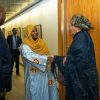
Humanitarian Crisis As Floods, Prolonged Heavy Rains Impact Chad
Since June of this year, Chad has been facing an extended period of heavy rainfall. Major flooding has triggered the onset of a significant humanitarian crisis, as all aspects of Chadian life, including health, food production, and community, have been negatively impacted. Additionally, response plans are severely compromised due to high levels of hostility taking place in neighboring nations.
Climate Assemblies Seek Citizen Participation in Latin American Solutions
Danilo Barbosa had never taken part in political processes until his name was drawn in a lottery to join the climate assembly of the municipality of Bujaru, in the Amazon region of Brazil.
Infection Rates Among Children Show Worrying Increase in Gaza
As the humanitarian crisis in Gaza continues, so does the spread of illness among Palestinian children. Already facing widespread malnutrition, starvation, dehydration, and unhygienic living conditions, hundreds of thousands of children in Gaza face the risk of contracting a multitude of diseases.
VIETNAM: ‘Human Rights Conditions Will Likely Worsen as the Country Descends into a Police State’
CIVICUS discusses recent leadership changes in Vietnam with David Tran, coordinator of the Alliance for Vietnam’s Democracy, a civil society platform that promotes democracy in Vietnam and the region through international cooperation and the strengthening of local civil society.
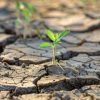
Signs of Progress on Peace-Positive Climate Adaptation
The consequences of climate change are disproportionately impacting fragile and conflict-affected settings (FCS). Climate shocks can exacerbate security risks in FCS, conflict and instability compromise a region’s ability to adapt to climate change, leaving its population ever more vulnerable to future climate shocks.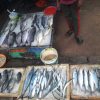
Struggling at Sea: The Plight of Indian Fishworkers Amid Climate Change and Government Policies
Climate change forces millions of India’s fishworkers to venture beyond the country's exclusive economic zone into the perilous high seas.
UN Efforts for a Resilient Iraq
Climate change and water scarcity pose significant threats to Iraq's stability, prosperity, and the well-being of its people. The environmental challenges facing the nation are complex and interconnected, requiring a comprehensive and coordinated response.
UN Secretary General Warns of ‘Brutal’ Impacts of Climate Change for Pacific Islands
UN General Secretary General António Guterres warned of the wide-ranging impacts of climate change on a visit to the Pacific islands of Samoa and Tonga. "(Climate change) spells disaster: wide-ranging and brutal impacts, coming far thicker and faster than we can adapt to them—destroying entire coastal communities,” said Guterres, speaking at a meeting of Pacific Island leaders in Tonga.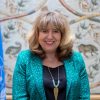
Biodiversity: Roll Up the Sleeves and Do Something, says Astrid Schomaker, New UNCBD Head
“We are living in a time where nature is regularly raising its hand and saying, 'Look, I'm here and I'm in trouble,' and then bringing us all sorts of natural disasters to the table," says Astrid Schomaker, Executive Secretary of the United Nations Convention on Biological Diversity (UNCBD), in an exclusive interview with IPS.
Explainer: COP16—What’s It About and What Does It Need to Achieve?
‘Peace with Nature’ is the theme for the 16th meeting of the Conference of the Parties (COP16) to the Convention on Biological Diversity (CBD), which will take place in Cali, Colombia, between October 21 and November 1, 2024.
Climate Activists Target Culture Greenwashing
Civil society is working on all fronts to tackle the climate crisis. Activists are protesting in numbers to pressure governments and corporations to cut greenhouse gas emissions. They’re using non-violent direct action and high-profile stunts, paying a heavy price as numerous states criminalise climate protest.
Research: Disease and Climate Stress Resistant Wheat Varieties for Global South
Groundbreaking research indicates that the wild relatives of wheat could be turned into an all-time food security crop capable of cushioning vulnerable populations from starvation and hunger, thanks to its ability to withstand both climatic stress and diseases. Wheat is a staple for over 1.5 billion people in the Global South.
Clean Energy Boosts Autonomy for Brazilian Women Farmers – VIDEO
 A community bakery, family production of fruit pulp, and the recovery of water springs are some of the initiatives of the Energy of Women of the Earth, organised since 2017 in the state of Goiás, in central-western Brazil.
Tackling the World’s Planetary Emergency
The world is facing a triple planetary crisis of climate change, pollution, and biodiversity loss. Climate change continues to pose an existential threat to humanity, with recent science estimating that we have possibly less than six years left to change course and rapidly reduce greenhouse gas emissions to have a chance of avoiding the worst of the climate crisis.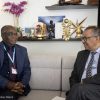
Conditions In Zimbabwe Worsen From El Niño Drought
Half of Zimbabwe's crops were destroyed and about 7.6 million people are at risk of acute hunger as a result of the El Niño weather phenomenon.
In Samoa, Protecting the Ocean is Our Way of Life
In Samoa, we use a simple phrase to capture our way of life: Fa’asamoa. At the core of this concept is respect for others, devotion to family and a deep appreciation for the preservation of our natural resources. Importantly, Fa'asamoa has enabled us to sustainably fish our vibrant coral reefs for millennia, in a way that provides good health and prosperity for everyone in our communities.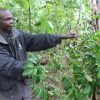
Uganda Coffee Smallholders Grapple With EU Regulations on Imports
In Kubewo village in eastern Uganda, children often go to work with their parents in the coffee gardens. Earnings from Arabica coffee are used, their parents and grandparents say, to pay for children’s education and other expenses for the family.
UK: ‘Many in the Climate Justice Movement Are Finding Creative and Imaginative Ways to Protest’
CIVICUS speaks with Chris Garrard, co-founder and co-director of Culture Unstained, about the campaign to end fossil fuel sponsorship of cultural institutions, which oil companies use to try to present a positive public image.
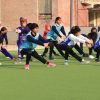
Climate Change Poses Yet Another Stumbling Block for Pakistani Sportswomen
Goalkeeper Rehana Jamali, 17, is jubilant. Her team came in second in the All Sindh Women Hockey Tournament, held last month.
Transforming India’s Villages Through Innovative Water Harvesting Techniques
Brij Mohan, a 37-year-old farmer from Deoria, a modest village in India’s northern state of Uttar Pradesh, has a story of resilience and transformation. Mohan, the lone breadwinner for his family, has two children, the eldest just 10 years old.« Previous Page — Next Page »





Through our global network of local writers, we are continuing our award-winning coverage of global and local environmental challenges, with a focus on the people for whom the ecosphere matters in a direct way: rural dwellers who have little means to protect themselves against adverse conditions; communities that need to switch to sustainable development in order to survive; poor women and children, who are the most vulnerable in natural disasters. Sponsored by the United Nations Environment Program (UNEP), the United Nations Development Program (UNDP) and The World Bank (WB), IPS also maintains the award-winning Tierramérica, a specialised information service on environment and development.

The Week with IPS

Tracking global progress towards a sustainable world


