Languages
Wednesday, November 11, 2026



News and Views from the Global South
Water & Sanitation
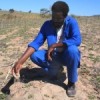
SWAZILAND: Add Water and Stir
What is the first step towards transforming life in a hardscrabble rural community? Address issues of water.
HEALTH-LAOS: Inadequate Sanitation Denting GDP
Poor sanitation and hygiene costs the Lao People's Democratic Republic 193 million dollars per year, an estimated 5.6 percent of gross domestic product, according to figures from the Water and Sanitation Programme (WSP) of the World Bank.
ARGENTINA: Huge Loan to Flow into ‘Open Sewer’ River
Local residents and environmentalists are eyeing with cautious optimism a major loan from the World Bank to the Argentine government to clean up the Matanza-Riachuelo river that runs through Buenos Aires - the country's most polluted waterway.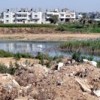
MIDEAST: Attack on Water Brings Sanitation Crisis
'Biddun mey, fish heyya', they say in Arabic for a universal truth: 'Without water, there is no life'.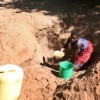
SOUTHERN AFRICA: Groundwater Still Underutilised
Despite the significant role groundwater could play in alleviating poverty, improving food security and contributing to overall development in Southern Africa, a lack of skills, finances and awareness of the resource means only a small percentage of the region's supplies are tapped into.
Q&A: Why Sanitation Is the Forgotten Sister
As part of the International Year of Sanitation in 2008, Zimbabwe developed a national strategy for sanitation, launched in February 2008. Just five months later, a cholera outbreak that was to claim over 4,000 lives began.SOUTH AFRICA: Wastewater Is a Resource
South Africa faces chronic water shortages, yet billions of litres are flushed away every year. Being one of the driest countries in the world, the conservation of water resources and managing wastewater should be a top priority for government.
WATER-ANGOLA: Smart Relief Needed as Floodwaters Fall
The flood waters are starting to recede as the rainy season ends for another year, but while the emergency is over in southern Angola, the long term outlook is bleak.ZIMBABWE: Long Road to Water Sustainability
As funds begin trickling in for Zimbabwe’s reconstruction efforts, the rebuilding of infrastructure battered by years of neglect is set to gobble a huge chunk.BURMA: Nature Conspires Against Cyclone Victims, Denying Them Clean Water
A year after powerful Cyclone Nargis tore through Burma’s Irrawaddy Delta and southern Rangoon, killing tens of thousands of people, nature continues to play a cruel trick on survivors.HEALTH: Killer Diarrheal Diseases Eclipsed on Donor Agendas
Interest in reducing the harm caused by diarrheal diseases has waned among the global health and aid communities, said two new reports released Tuesday in Washington.
WATER-SOUTHERN AFRICA: Strengthening River Basin Management
Many of the adverse effects of floods which swamped northwest Botswana in early March could have been avoided if the Okavango River Basin Commission (OKACOM) had an early warning system in place.DEVELOPMENT: Making Sanitation Sexy
Though the issue of human excreta is often taboo in polite company, human waste and sanitation are starting to take their rightful place in debates about development and human health.
NAMIBIA: Tens of Thousands Displaced by Flooding
Namibia is experiencing flooding on a scale last seen nearly 50 years ago. The northern parts of the country are the worst hit.DEVELOPMENT: U.N. Offers New Political Profile for Sanitation
When the United Nations concluded its International Year of Sanitation (IYS) last December, it left behind some 2.5 billion people worldwide waiting in line for toilets that did not exist or were in short supply.HEALTH-ARGENTINA: Dengue Haemorrhagic Fever Is Here
While the authorities squabble over what or whom to blame, Argentina is suffering its worst epidemic of dengue fever since 1998 in terms of the number of people and the size of the area affected. And on top of that, the most dangerous form of the illness, never recorded here before, has made its appearance.
Q&A: Sanitation Must Be Owned by Local Communities
The world's developing nations, particularly in Asia and Africa, are struggling to cope with two of the basic necessities of life: fresh water and adequate sanitation.
ZIMBABWE: Researchers Developing New Ways to Purify Water
Scientists at Bulawayo's National University of Science and Technology (NUST) have embarked on research to develop simple and affordable water purification methods, as more than a billion people live without safe drinking water in developing countries.
SOUTH AFRICA: Water Meters for the Poor: New Name, Old Problems
Many poor communities in South Africa continue to struggle for their constitutional right to clean, safe drinking water.
AGRICULTURE-MALAWI: Water Makes the Difference
Water has become the very essence of economic development for a rural community of Ngolowindo, in Malawi’s lake district of Salima, where households are reducing poverty thanks to irrigation.ENVIRONMENT-KENYA: Rainwater Harvesting: Two Birds With One Stone
Bitter irony: in recent years Nairobi has experienced severe flooding and widespread water shortages, due to poor urban planning and collapsing infrastructure systems that are failing to support the Kenyan capital's expanding population.« Previous Page — Next Page »





The Week with IPS

NEXT STOP - SDGs
Tracking global progress towards a sustainable world
Tracking global progress towards a sustainable world
