Languages
Wednesday, November 11, 2026



News and Views from the Global South
Featured
Time to Raise the Ambition for Climate Action
In recent days we have seen the understandable decision reached to postpone the UN climate change conference – COP26 – which was due to take place this November. As the world reels from the widespread impacts of the coronavirus crisis, it is the right call.
Bioenergy, the Ugly Duckling of Mexico’s Energy Transition
Rosa Manzano carefully arranges pieces of wood in a big mud igloo that, seven days after it is full, will produce charcoal of high caloric content.
A Gender-equal Ethiopian Parliament can Improve the Lives of all Women
Recent gains by women in the Ethiopian political landscape offer a chance to improve gender equality around the country and put an end to long-standing societal iniquities. Since coming to power in 2018, Prime Minister Abiy Ahmed has reorganised the cabinet to ensure that 50 percent of the government’s top ministerial positions have been given to women.
Gender and COVID-19: Where Can Research Help?
As of April 8, there have been 1.5 million reported cases of coronavirus and over 83,000 deaths. Most of these deaths are of men. Italy, for example, has so far had 71 percent of all case deaths attributed to men while Spain, another major global hotspot, has seen 65 percent of all deaths being men.
The Cost of Coronavirus in Africa: What Measures can Leaders Take?
With the novel coronavirus COVID-19 having reached the African continent, countries are getting ready to manage the spread of the virus and ensure that their fragile health systems can cope. Images from China and Europe give many reasons for concern.
Kerala Covid-19 Response Model for Emulation
Within weeks, the Covid-19 epidemic was classified by the World Health Organization (WHO) as an epidemic of international significance, triggering a pre-agreed WHO response. By the end of the first week of April, more than 1.3 million people had been confirmed as infected, with over 65,000 deaths across the world.
Alive Amidst the Mayhem of COVID-19 – A Sex Worker’s Story
For a Bangladeshi woman, who has worked as a sex worker since childhood, her future post-COVID-19 looks hopeless. Shilpy, who works at Daulatdia, the largest brothel in the country, told IPS how she now also fears for the future of her two daughters.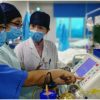
Covid-19 & its Impact on the Work of Disarmament
Humanity has faced no challenge greater than COVID-19 since the Second World War. As this rapidly developing global health emergency places unprecedented strain on our medical, economic and social systems, we must work hard to prevent new risks for instability, unrest and conflict.
Killer of Slovak Journalist Sentenced as Rights Groups Await further Convictions
Journalists and rights activists have welcomed the jailing of a man for the murders of Slovak investigative reporter Jan Kuciak and his fiancée Martina Kusnirova, but say others involved in the killings must be convicted too if justice is to be fully served.
What Journalists Should Know About Coronavirus Cellphone Tracking
Governments all over the world have been considering cellphone surveillance to help track and contain the spread of the coronavirus.
Ending the Unthinkable Injustice of Human Chaining
When Akanni’s mother died in early 2018, she stopped eating for three weeks. Her mood became unpredictable; she was often shouting or sulking angrily. Medicine from a local pharmacist didn’t help. At a loss for what to do to handle the trauma, Akanni’s father took her to a church in Abeokuta, Ogun state, in Nigeria. And then he left her there.
**Correction**How the COVID-19 Pandemic is Affecting Women’s Sexual and Reproductive Health
A little over half of women across the globe are able to freely make choices about their sexual and reproductive health, according to a latest report based on data from 57 countries. However, as much of the world has gone into lockdown because of the coronavirus pandemic, with countries implementing social distancing and restricting the free movement of people, experts are concerned that even this small gain in sexual and reproductive health may suffer negatively.
NGOs Pivot to COVID-19 Prevention in Refugee Camps
We are living in uncertain times. All of us are experiencing the Corona pandemic in various ways. For most it means quarantine and physical isolation. We worry about family members, loss of income and not knowing what the future will look like- or how long this will continue.
Green Counter-Revolution in Africa?
In 2006, the Bill and Melinda Gates Foundation and the Rockefeller Foundation jointly launched the Alliance for a Green Revolution in Africa (AGRA). The African Green Revolution Forum claims AGRA is the “world’s most important and impactful forum for African agriculture”.
The Boardwalk For Birds: Protecting Lake Victoria’s Dunga Beach Wetland
At around 11am on a Saturday, Luke Okomo arrives at Dunga Beach, on the outskirts of Kenya’s Kisumu City, and heads straight to what is known as the ‘Dunga Papyrus Boardwalk’.
The Economic Impact of COVID-19 on Developing Countries – Part 2
What is likely to be the impact of the COVID-19 pandemic on developing economies? In the first of this two part article we looked at possible short term disruptions and discussed actions by the private sector and Governments.
Growing Youth Activism for Environmental Protection in Africa
The mining sector in Africa is facing radical change as youth activists take action against the environmental degradation caused by mining industries. Tensions between activists and the mining industry have raised, however, concerns over human rights abuses.
Latin America Has Weak Defences Against the Pandemic
Health systems in Latin America, already falling short in their capacity to serve the population, especially the poor, are in a weak position and face serious risks when it comes to addressing the COVID-19 pandemic.
U.N. Releases Report on Socio-economic Effects of Coronavirus
As the number of coronavirus cases continues to grow, concerns are simultaneously growing about the current and long-term effects this will have on certain demographics -- specifically, women, the youth, migrant workers, and many employees around the world.
In memoriam ‒ Martin Khor
We are greatly saddened by the passing of Martin Khor, a long-time friend and colleague, an undaunted fighter for the poor and underprivileged, a passionate believer in a more balanced and inclusive multilateralism, a rare intellectual and eloquent orator, an icon of the Global South worthy of veneration, greatly respected for his struggle for justice and fairness against the dominance and double-standards of big economic powers.
What More than COVID-19 to Jolt G20 into Collective Action?
My recent study on “The G20@10: Time to shift gears” 1 shows that, during the past decade, the main joint, collective action of the G20 has been to issue communiqués and other types of statements.« Previous Page — Next Page »





The Week with IPS

NEXT STOP - SDGs
Tracking global progress towards a sustainable world
Tracking global progress towards a sustainable world
