Languages
Thursday, November 12, 2026



News and Views from the Global South
Featured

Trade Liberalization for Development?
The International Monetary Fund (IMF), the World Bank and the World Trade Organization (WTO), all dominated by rich countries, have long promoted trade liberalization as a ‘win-win’ solution for “all people—rich and poor—and all countries—developed and developing countries”, arguing that “the gains are large enough to enable compensation to be provided to the losers”.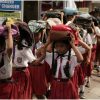
Prepare to Win: Tsunami Awareness and Preparedness
Once considered rare in their occurrence, in the last 10 years tsunamis have struck nearly every year: from Samoa to Chile, and from Iceland to New Zealand.
Online Trolls, Bots, Snoopers Imperil Democracy: Report
Using armies of online fans, trolls and, automated ‘bots’, the world’s authoritarians and populists are increasingly using the web to drown out opponents and swing public opinion and elections their way, a new study says.
Africans Charged More Than 3.5 Times the “Affordable” Rate for Mobile Data
People living in Africa are charged an average of 7.1 per cent of their monthly salary for a gigabyte (GB) of mobile data, more than 3.5 times the threshold considered affordable.
No Region is Immune from Rising Inequalities, Trade Tensions & Declining Growth Rates
We are facing tense and turbulent times around the globe. Rising inequality is a danger everywhere. Trade and technology tensions are building. Growth forecasts are being revised down. Unease and uncertainty are going up. This is a global phenomenon. No region is immune.
‘When Journalists are Targeted, Societies as a Whole, Pay a Price’: UN Chief
“Without journalists able to do their jobs in safety, we face the prospect of a world of confusion and disinformation”, UN Secretary-General António Guterres has warned in a statement released ahead of the International Day to End Impunity Against Journalists, which falls on 2 November.
#KeepthetruthAlive
 Each year 100 journalists are killed in the course of their work. Nine out of 10 cases remain unresolved.
On Nov. 2 the United Nations recognises the International Day to End Impunity for Crimes against Journalists.

Africa’s Youth make Land Restoration their Business
The last time Siyabulela Sokomani ran a marathon he did so with a tree strapped to his back. A native wild olive sapling to be exact. It affected his race time for sure, with the seasoned runner completing the 42.2 km race in 4.42 hours rather than his usual 3.37 hours.
The Rapid Decline in Civic Freedoms: 5 Countries to Keep an Eye on
2019 has been a year of protest. From Algeria, to Chile, to Hong Kong, ordinary people have taken to the streets to voice their dissatisfaction with governance systems. Their causes are as diverse as the people pouring into the streets.
Locked Out – Nigeria’s Trafficked Children Have Never been to School
 “Human trafficking is when someone is taken from Nigeria to another country to be a prostitute. Or, to do other illegal jobs that are not good for humanity,” said Kingsley Chidiebere, a commercial motorcycle rider in Nigeria’s commercial capital, Lagos.

Going with the Wind: Transition to Clean Energy in Latin America & the Caribbean
The UN Climate Action Summit 2019, which took place in the days leading up to the 74th UN General Assembly, delivered new pathways and practical actions for governments and private sector to intensify climate action.
Red Alert for Blue Planet and Small Island States
Barely a week passes without alarming news of the most recent scientific research into the global climate crisis compounding a growing sense of urgency, particularly the impact on small island states from rising sea levels and extreme weather.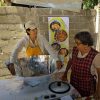
Solar Cookers Produce More Than Food for Mexican Women
The sun's rays are also used to cook food and thus replace the burning of firewood and gas, improve the health of local residents and fuel the energy transition towards the use of renewable sources - the objectives of an enterprise in the southern Mexican state of Oaxaca. 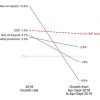
If India Stopped Growing, Would the IMF and World Bank Say So?
Leading economic indicators have slowed or reversed. Criticisms of official statistics are mounting. But the IMF and World Bank continue to forecast 6-percent growth by simple extrapolation.
Africa Watch: Morocco Tourism Gains Momentum
The crème de la crème of Hollywood was in Marrakech, Morocco, for the wedding of British movie star Idris Elba in April this year. Elba tied the knot with his Canadian model girlfriend, former Miss Vancouver Sabrina Dhowre, at the Ksar Char-Bagh hotel, an exquisite Alhambra-style hotel.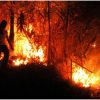
How Can We All Hear That the World is on Fire?
The annual rhythm of the United Nations year peaks with the General Assembly in September. One month on, it’s a good time to reflect on this year’s gathering which was remarkable for its focus on fighting climate change, the transforming effect of one 16 year old girl telling it like it is, and the way people heard her words in a way they haven’t heard before.
Mother Earth’s Café Dares Climate Crises in India
The sun has barely risen when Phlida Kharshala shakes her 8-year-old grandson awake. He hoists an empty cone-shaped bamboo basket on his back, sets the woven strap flat across his forehead and off they go into the wilderness.
UN Turns to Global Investors for Billions Needed for its 2030 Development Agenda
A Republican US Senator of a bygone era was once quoted as saying “a billion here, a billion there, and pretty soon you're talking about real money.”
Industrial Policy Still Relevant
Industrial policy refers to the promotion of new investments and technology by governments to encourage the growth and development of specific economic sectors. However, scepticism persists about the feasibility and desirability of using industrial policy, especially of the ability to ‘pick winners’, often accused of leading to ‘propping-up failing industries’.
Nepal and Colombia Struggle With Mental Health Burden of Conflict
Children sit in a circle experimenting with different colours on palettes at a shelter in Godavari one morning this week. Some design flowers in bright colours, others draw homes nestled below mountains. Many of the children are survivors of rape or domestic violence, from rural parts of Nepal. The one thing they have in common is mental trauma.
Climate Change to Further Escalate Violence in Western Africa
Nearly 50 million people in west Africa rely on agriculture and livestock for their livelihood but the land available for pastoral use has been rapidly shrinking.« Previous Page — Next Page »





The Week with IPS

NEXT STOP - SDGs
Tracking global progress towards a sustainable world
Tracking global progress towards a sustainable world
