Languages
Tuesday, October 6, 2026



News and Views from the Global South
Women's Health

LGBT Communities Silenced in HIV Reduction Efforts
Treatment for HIV and AIDS has increased, but key populations including lesbian, gay, bisexual and transgender (LGBT) communities continue to be left behind and even excluded altogether.
Young African Women More Vulnerable to HIV
When Lebogang Brenda Motsumi was 16 years old she fell pregnant, terrified about what her life would look like, she went to a backdoor clinic for an abortion.
Time to Change Expectations: Zero Retribution to Zero Tolerance
The drugging, abduction and violent gang rape of a 16-year-old girl in Rio de Janeiro, Brazil calls us all to turn the tide of sexual violence against women and girls in Brazil and in every country in the world.
Banking on the Milk of Human Kindness
The recent launch of Amaara, New Delhi's first human milk bank, has been greeted with much cheering. The initiative endorses the long-term goal of reducing infant mortality and addresses the critical issue of lack of mothers' milk for physically fragile newborns in India's capital city.
Menstrual Hygiene Gaps Continue to Keep Girls from School
Around the world girls are struggling to stay in school when their menstrual hygiene needs are forgotten or ignored, yet the water, sanitation and hygiene (WASH) and education sectors have remained reluctant to address the issue.
UNFPA Funding Cuts Threaten Women’s Health in Poorer Nations
The UN Population Fund (UNFPA), which has played a key role in ensuring maternal health and promoting reproductive rights of millions of women world-wide, is expected to suffer over $140 million in funding cuts by Western donors this year.
County Governments in Kenya Must Take Lead in Fight for Gender Equality
The 3rd Devolution Conference that took place in Meru, Kenya between 19 and 21st April was an opportunity to discuss how the post-2015 development agenda will be localized and how county governments will deliver on the Sustainable Development Goals (SDGs).
Best Strategies to Empower Girls
Between 2011 and 2020, more than 140 million girls worldwide will become child brides - defined by the United Nations as marriage before age 18. The effects from such early marriage can be devastating and long-lasting for women: lower education levels and lower lifetime earnings, higher rates of domestic violence, greater risk of dying from pregnancy complications, and increased mortality rates for the children of these young brides.
Breastfeeding Saves Lives But Can’t Compete With Aggressive Marketing
Despite its many lifesaving benefits breastfeeding still struggles to compete with the marketing used by the multi-billion dollar baby formula industry, according to a new report published this week.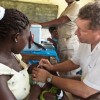
Religious Leaders Can End Harmful Cultural Practices & Advance Women’s Empowerment
Any views expressed in this article are those of the author and not of Thomson Reuters Foundation.
Indian Women Worst Hit by Water Crisis
A staggering 330 million Indians, making up a quarter of the country's population (or roughly the entire population of the United States), are currently reeling under the effects of a severe drought, resulting in an acute drinking water shortage and agricultural distress.
A long, Insulting Walk to Justice for Rape Victims in Bangladesh
The dead do not feel anything, but those who survive do. The horrendous experience of the insensitive two-finger test after rape. The courtroom insults during trial because a draconian law permits the accused to question the victim's character. The families suffer no less humiliation as they wait for justice. While nations around the world have overhauled relevant laws with provisions that shield the rape victims, ours still favour the offender instead. Isn't it time we were a little more sensitive towards the victims of a crime now regarded as a crime against society? In the wake of Tonu murder after suspected rape, The Daily Star tries to shed some light on all these aspects. Today, the first two instalments of a three-part series.
Abortion Saga: Morality vs Choice
Malawi considers itself ‘a god fearing nation’ so much that any act ‘out of the ordinary’ is said to be either satanic, a sin or demonic. Even a drink or a walk could be satanic in the country if you are not careful!Laws Criminalizing Drug Possession Can Cause More Harm
In many countries, a criminal record, even for a minor offense can have serious implications. Being convicted of a criminal offence renders one ineligible for certain jobs, social grants or benefits or from even being able to exercise one’s right to vote. It can also severely limit the ability to travel to certain countries and can result in the loss of custody of minor children. As prison conditions are often poor and health care services limited, a custodial sentence can have implications on the health outcomes of individuals.
Gender Equality and Equity in Health Will Anchor Drive Towards a Sustainable National Development
Last month, the Government of Kenya (GoK) in partnership with United Nations Population Fund (UNFPA) at the sidelines of the 60th Session of the UN Commission of Women in New York, launched the report on the ‘Assessment of the UNFPA Campaign to End Preventable Maternal and New-born Mortality in support of the Campaign for Accelerated Reduction of Maternal Mortality in Africa’
Plan for Poorer Countries to Fund HIV Response Raises Concerns
Calls for low and middle income countries to contribute an additional 6.1 billion dollars to the global HIV response by 2020 could see some vulnerable groups left behind, said HIV activists meeting at the United Nations last week.
NGO Pledges $500 Million Towards Sustainable Development Goals
CMMB -Healthier Lives Worldwide– a leading international nonprofit health non-governmental organisation (NGO) – has pledged 500 million dollars to help implement the UN’s Sustainable Development Goals (SDGs)– with a specific focus on maternal, newborn, child and adolescent health.Women at the Helm
If a string of recent events have sparked a bit of optimism among the observers of the country`s politics and students of its rather tragic history it is indeed a welcome development.
Alcohol Harm a Gender Empowerment Issue
International Women’s Day is a chance to celebrate the social, economic, cultural and political achievements of women around the world – often against great odds and all too often remaining invisible. But women and girls worldwide are change makers and leaders for a better world. Role models are many.A Different Honour
Sharmeen Obaid Chinoy`s record second win at the Oscars for her short document ary A Girl in the River: The Price of Forgiveness is proof that lightning can actually strike twice. Hardly four years ago, Chinoy was standing at the same stage in Los Angeles, accepting an Oscar for her documentary Saving Face, about Pakistani victims of acid attacks. Chinoy`s current Oscar winner examines a no less painful subject, honour killings in Pakistan.Of the Same Ilk
IT has been almost two weeks since the beginning of a protest movement of students, teachers and the wider democratic community in and around Delhi`s famed Jawaharlal Nehru University (JNU) that represents arguably the biggest challenge that Narendra Modi`s BJP government has faced since coming to power. Perhaps unsurprisingly, we in this country have scarcely paid attention to the whole af fair, even though it tells us much about India, its politics, and, indeed, just how similar our two countries are.« Previous Page — Next Page »





Worldwide, women’s health is a serious issue. The result of a wide diversity of factors, most notably insufficient access to education, women’s health issues must be addressed. Without access to proper schooling, many girls grow up without the necessary understanding of reproductive health. Due to this, reproductive issues and sexually transmitted infections plague women in developing countries. Women struggle to battle infections such as HIV. The lack of relevant services, coupled with the lack of women’s rights pertaining to their own health, are some of the serious issues that these stories seek to explain.

The Week with IPS

NEXT STOP - SDGs
Tracking global progress towards a sustainable world
Tracking global progress towards a sustainable world
