Languages
Monday, November 23, 2026



News and Views from the Global South
Global Governance
Communal Violence Threatens Democratic Change in Myanmar
The outbreak over the past week of communal violence between Buddhists and Muslims in Rakhine State seriously threatens the ongoing reform process in Myanmar, according to experts here.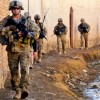
World Slightly More Peaceful, Despite U.S. Militarisation
Countering a two-year trend, the world overall became slightly more peaceful over the past year, according to an annual report released here on Tuesday.
Setting Goals to Protect Half the Planet
The high seas, crucial regions of the world's oceans that are beyond national jurisdiction, account for 45 percent of the planet, but are today under severe threat from overfishing and pollution.
Defining Green Economy May Stymie Rio Summit
The thematic battle at the U.N. Conference on Sustainable Development (UNCSD) in Brazil next week will be primarily around the new concept of a "green economy" - and how best to define it.
Q&A: “We All Have to Start Being City Changers”
Building the cities of the future requires not only smarter planning but a profound shift toward greater equity and social justice, says Joan Clos, executive director of the U.N. Human Settlements Programme, or UN-HABITAT.
Tension Around Possible Islamic State in Northern Mali
Tuareg and Islamist rebel groups which seized control of northern Mali in March are trying to find common ground for the joint administration of the territory. Residents of the region fear that individual and collective freedoms will not be respected if such an alliance sets up an Islamic state.U.S.-Pakistan Talks on NATO Supply Lines Stopped
Six weeks of talks between Pakistan and the United States have been halted, a Defence Department official stated here on Monday.
Rio+20: Transforming Political Platitudes into Economic Realities
When world leaders endorse the final plan of action, titled "The Future We Want, at the Rio+20 summit in Brazil next week, a lingering question may remain unanswered: how best can the United Nations transform political platitudes into economic realities?More Austerity Won’t Solve European Crisis, U.N. Says
The increasingly precarious financial situation in Europe remains the biggest threat to the world economy, warns a U.N. report released here.
Q&A: “Today’s Food System Is Failing Small Farmers”
With heads of state from more than 120 nations and tens of thousands of civil society and international development experts gathering for the U.N. Summit on Sustainable Development next week, it is accepted wisdom that rethinking agriculture is one of most critical issues facing this and future generations.
Will Water Dry Up at Summit on Sustainable Development?
The headline in a New York newspaper last March captured the essence of a future potential threat to political stability the world over: "U.S. Report Sees Tensions Over Water."
SYRIA: Conscience Is Their Only Armour
With the international community vowing to ratchet up pressure on the Syrian government, non-violent activists say they remain undeterred even as the situation seems to be deteriorate daily.
How Would You Measure Success at the Rio Summit?
When the heavily hyped three-day U.N. Conference on Sustainable Development (UNCSD) comes to a close in Rio de Janeiro Jun. 22, what would be the yardstick to measure its successes and failures?Washington’s Asia Pivot Gains Momentum
The much-anticipated U.S. "pivot" from the Greater Middle East to the Asia/Pacific accelerated this week, which began with Pentagon chief Leon Panetta's high-profile, nine-day swing through the region and ended with a White House summit between Barack Obama and Philippine President Benigno Aquino.Trade, Military Cooperation to Top U.S.-India Talks
The ambassador of India to the United States, Nirupama Rao, on Friday suggested that high-level talks between the two countries, taking place here next week, would focus on "development" and the "people aspect of cooperation".Changes at Parchin Suggest an Iranian Bargaining Ploy
The International Atomic Energy Agency (IAEA) and Western governments acted this week to escalate their accusations that Iran has "sanitised" a site at its Parchin military complex to hide evidence of nuclear weapons work, showing satellite images of physical changes at the site to IAEA member delegations.New World Bank Environment Strategy Boosts Private Sector Role
The World Bank this week released its new environment strategy for the next decade, 2012 through 2022, saying the policy framework was crafted in response to "calls from governments and the private sector for new approaches to development in light of unprecedented environmental challenges".U.S.: Obama Resists Growing Pressure to Intervene in Syria
While reports of two mass killings in Syria by pro-regime forces in the past week have increased pressure on President Barack Obama to intervene more directly in support of the opposition, his administration appears determined to avoid any military involvement.
Calls for an African Green Revolution, Only Smarter
To deal with looming food crises in the coming decades, Africa needs a Green Revolution on par with what took place in Asia during the 1960s and 1970s, according to experts in Washington.
RIO+20: A Stalemated U.N. in Do-or-Die Session on Action Plan
After weeklong negotiations, a meeting of the Preparatory Committee (PrepCom) to finalise a plan of action titled "The Future We Want" for next week's Rio+20 summit has failed to reach agreement - and deferred a decision to a final three-day session in Brazil.
24 Policies to End the Earth Emergency
Ecologically ignorant policies are largely responsible for the interlinked crises that are unraveling the planet's life support system.« Previous Page — Next Page »


The Week with IPS

NEXT STOP - SDGs
Tracking global progress towards a sustainable world
