Languages
Friday, November 27, 2026



News and Views from the Global South
Global Governance
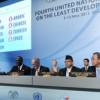
DEVELOPMENT: Civil Society Rejects ‘Toothless’ Istanbul Plan of Action
Civil society groups have vowed to mobilise citizens of the world’s poorest nations to take to the streets, rejecting the Istanbul Programme of Action agreed today by the Fourth U.N. Conference on the Least Developed Countries.U.N. to Host World Summit on Nuclear Safety
The severity of the recent nuclear accident at the Fukushima Daiichi power plant in Japan has prompted U.N. Secretary- General Ban Ki-moon to convene a high-level meeting of world leaders on a politically-sensitive issue: nuclear security.
YEMEN: Youth Want New Faces and a New Modern Country
Yemen’s young anti-government protesters have learnt a vital lesson about the world of politics during their seemingly endless revolution - betrayal is inevitable.Seed Proteins May Help Plants Weather Drought
British researchers are working on techniques to improve seeds chances of surviving drought by tapping the potential of little-known proteins that regulate water intake.HEALTH: ‘Lifestyle Diseases’ Cause Two-Thirds of Deaths
Health experts from around the world have acknowledged rising numbers of ‘lifestyle’ or non-communicable diseases (NCDs) in different countries, admitted inadequate funds are the biggest obstacle in health delivery, and called on the global community to consolidate efforts to effectively tackle the problem.
LDCs Seek Mini Trade Deal
Leaders from the Least Developed Countries are making a strong push in Istanbul for a mini trade deal for their 48 impoverished nations - ahead of any worldwide agreement under the Doha Round.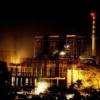
INDIA: Waste to Energy Project Not So Green
A waste-to-energy (WtE) project in the heart of the Indian capital run by a powerful industrial family is testing the enforceability of the country’s environmental and zoning laws.Japan Veers Away from Nuclear Energy
Prime Minister Naoto Kan’s decision to stop the building of new nuclear power plants and explore solar and wind energy signals a drastic turn in Japan’s energy policy that has brought a sigh of relief to wary scientists, anti-nuclear groups and an increasingly anxious public.
DEVELOPMENT: Women Demand Access to Water and Energy
"Women in LDCs bear the brunt of economic and social hardships," said Wubitu Hailu, managing director of an Ethiopian NGO, the Kulich Youth Reproductive Health and Development Organisation. The failure to provide access to basic services like clean water and electricity is a major factor preventing women from realising their full potential.
MIDEAST: Egyptian Activists Gear Up For Third Intifadah
Following the February ouster of Egypt’s longstanding President Hosni Mubarak, calls have been circulating in Egypt and throughout the region for a ‘Third Intifadah’ to begin May 15.Obama Faces Tough Choices on Mideast Diplomacy
With Israeli Prime Minister Benjamin Netanyahu scheduled to descend on Washington in less than two weeks, President Barack Obama faces some difficult decisions about how to restore the credibility of his promise to achieve a two-state solution to the Israeli-Palestinian conflict without triggering a backlash in a Congress that is solidly pro-Israel.Malawi Lays Out Its Agenda at U.N. Development Conference
Escalating fuel prices, climate change and the impact of the global financial crisis are the challenges currently compromising development in Malawi. The Southern African country wants to see a bold plan of action addressing these problems agreed upon at the Fourth U.N. Conference on Least Developed Countries (LDC-IV) currently taking place in Istanbul, Turkey.
Afghan Forces ‘Not Ready’ for Handover
Almost a decade of neglect has raised serious concerns about the readiness of Afghan security forces to take over from foreign forces by the end of 2014, a new report claims.WORLD: Better Global and Local Governance Keys for LDCs
The world’s poorest citizens must struggle for more democratic governance and demand that their leaders fulfill their duties and responsibilities if their countries are to graduate from the group of 48 least developed countries, say civil society representatives.POPULATION: Promise Rises With a Problem
On the face of it, a rapidly rising population among the Least Developed Countries (LDCs) spells the usual doom about adequate resource distribution. But the least developed are also among the youngest in the world - and well channelled, they can be a valuable asset, United Nations Population Fund (UNFPA) head Babatunde Osotimehin told IPS.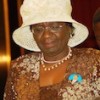
ECONOMY: Malawians Keen to Build Trade Ties with India
Building on historical relationships, Malawians have set their sights on strengthening trade and investment relations with India in sectors as diverse as agriculture, telecommunications and pharmaceuticals.TRADE: Glencore: Profiteering From Hunger and Chaos
The rapid rise in prices for food, fuel and commodities has been disastrous for the world's poor, including Indonesian market vendor Lia Romi. But it's a bonanza for multinational trading firms such as Glencore.ECONOMY: Looking for Development Leverage
Given a few incentives, private companies can be attracted to invest in poor countries that before were not on their radar. Donor countries are betting on this new avenue of public-private-partnerships (PPPs) to channel funds, technology and business knowledge to the 48 Least Developed Countries (LDCs) - the impact can be huge, but many challenges remain.U.N. Experts Push for Details on Bin Laden Operation
Was last week's killing of an unarmed Osama bin Laden in his hideout in Pakistan legitimate self-defence, justified homicide or extra-judicial execution?
DEVELOPMENT: Investment, Not Charity for LDCs
Least Developed Countries do not need charity; they want more and smarter investments. This is the point of departure for the Fourth U.N. Conference for the world’s poor countries (LDC-IV) begins in Istanbul, Turkey.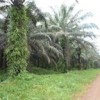
AFRICA: Development Agencies Support Harmful Oil Palm Production
Increasing industrial production of oil palm in sub-Saharan African countries, carried out by foreign corporations, is destroying the livelihoods of thousands of Africans and the biodiversity of ecosystems. Despite this, industrialised countries’ governments and development agencies continue to promote such production.« Previous Page — Next Page »


The Week with IPS

NEXT STOP - SDGs
Tracking global progress towards a sustainable world
