Languages
Saturday, November 28, 2026



News and Views from the Global South
Global Governance
Canada Slowing Biodiversity Protocol’s Progress
The spirit of international negotiations in Montreal on a draft protocol on Access and Benefit Sharing (ABS) of natural resources were marred by Canada’s insistence on a decentralised approach to ABS, Peigi Wilson, a Métis lawyer present at the meeting in support of the Quebec Native Women, told IPS.UN’s Big Five Facilitate Arms Transfers to Rights Violators
The five permanent members of the Security Council - the United States, Britain, France, Russia and China - are accused of facilitating the transport of conventional weapons and cluster munitions to countries where they could be used to commit human rights violations and war crimes.SOUTH-EAST ASIA: Burma’s Nuke Ambitions to Come under Scrutiny
When South-east Asian foreign ministers gather in Hanoi this week for a series of annual security meetings, the region’s most troublesome member, military- ruled Burma, is due to come under scrutiny over reports of its nuclear ambitions.
HEALTH: East African Laws Confuse Fake and Generic Drugs – WHO
The World Health Organisation (WHO) agrees that the anti-counterfeit legislation that has been adopted or that is under consideration in East Africa threatens the accessibility of affordable generic medicines.Canada Coming With Worse Than Oil
Fears of a trade dispute with Canada have made European Union officials reluctant to categorise tar sands from North America as a more polluting fuel than conventional petrol.More Information to be Shared on AIDS Vaccine
Scientists participating in the 18th International AIDS conference that opens in Vienna Sunday promise to share more information on vaccine research.
Somalia Centre Stage Ahead of AU Summit
The African Union summit opens in Kampala on July 19 amid heightened security following twin bomb attacks a week earlier.
CHINA-NIGERIA: New Refinery Planned for Lagos Free Trade Zone
Nigeria is a place where many more deals are announced than are ever completed. But July saw progress towards the construction of one of three new Nigerian refineries expected to reduce imports of refined petroleum products, a costly and ironic feature of the oil-rich nation's economy.China: Outsmarting the West in Africa
China's interest in Africa is frequently portrayed simply as that of a rising economic power seeking natural resources. Deborah Brautigam argues that this portrayal misses the full complexity of business relations between China and the continent.US-IRAN: Mosque Blasts Denounced by Obama, Clinton
Both U.S. President Barack Obama and Secretary of State Hillary Clinton Friday denounced Thursday’s suicide bomb attacks on a Shi'ite mosque in Sistan-va Baluchistan province in southeastern Iran by a Sunni extremist group that Tehran charges is being supported by Washington.BALKANS: Yugoslavia Tribunal Faces Uncertain Legacy
On the eve of World Day for International Justice, launched to recognise the emerging body of international criminal law, the International Criminal Tribunal for the former Yugoslavia (ICTY) faces an uncertain legacy. Initially slated to finish its work in 2008, the ICTY is two years behind schedule and at least four years from the final thump of its gavel.Nigeria Suffers Acute Lead-Poisoning Outbreak
The Nigerian government is trying to cope with an outbreak of lead poisoning which has killed over 200 people in Zamfara State since early July.HEALTH: To Fight AIDS, Fight Gender Inequality
Under the banner that gender inequality is one of the main drivers of the spread of AIDS, women from around the world are uniting to demand a stop to the epidemic among all females -- whether adults or girls.Civil Society Hails New Oil and Mining Transparency Standards
National and international civil society groups Thursday hailed the U.S. Senate's passage of a major financial reform act that includes a key anti-corruption provision requiring energy and mining companies to publicly disclose payments they make to governments around the world.Clues Suggest Amiri Defection Was an Iranian Plant
U.S. officials are explaining Iranian scientist Shahram Amiri's return to Iran as the result of a defector having a change of heart because of his concern about Iranian government threats to his family. Iran and Amiri himself have insisted that it is a simple case of a victim of abduction escaping his captors.
Water as Human Right Threatens to Split World Body
A long outstanding proposal to recognise the right to water as a basic universal human right is threatening to split the world's rich and poor nations.North Korea in Dire Need of Food, Medical Aid, Amnesty Says
The fragile health system in the cash-strapped Democratic People's Republic of Korea (DPRK), long described as one of the world's most secretive countries, is on the verge of collapsing, Amnesty International (AI) warned Thursday.
LATIN AMERICA: Environment’s Poverty-Fighting Potential Largely Ignored
The environment remains a second-tier matter in Latin America and the Caribbean despite being interwoven with persistent poverty and stalled economic development in the region, according to a new report from the United Nations Environment Programme.
AFRICA: “Everything but Arms Deal Doesn’t Benefit Enough People”
The Everything but Arms trade initiative, which provides preferential treatment to poor countries, benefits only a limited range of people in the target populations. It should also be expanded to more countries, civil society organisations say.CENTRAL AMERICA: Doors Wide Open for Renewable Energy
Heavy reliance on petroleum imports, the need for electricity in rural areas, and the ongoing effort towards sustainable development have focussed Central America's attention on renewable energy. But that doesn't mean there isn't opposition.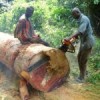
Major Strides Seen in Halting Illegal Logging
A comprehensive report, released Thursday by Chatham House, finds that production of illegal timber worldwide has declined by 22 percent since 2002, a trend that is benefiting both communities dependent on tropical forests and the global climate.« Previous Page — Next Page »


The Week with IPS

NEXT STOP - SDGs
Tracking global progress towards a sustainable world
