Languages
Sunday, November 29, 2026



News and Views from the Global South
Global Governance
IRAQ: Will Elections Bring Stability, or More Turmoil?
Iraq's upcoming parliamentary elections are widely considered a barometre of the country's progress and march toward stability, but they could also have a serious destabilising impact, as the U.S. prepares for a major reduction of its troops by August.DEVELOPMENT: Chile Pins Its Hopes on the OECD
Chilean President Michelle Bachelet signed Monday the official document inviting Chile to join the Organisation for Economic Cooperation and Development (OECD), making it the first South American member of the "rich countries' club".MIDEAST: Gaza Extremists Drifting Towards al-Qaeda?
Two separate bomb attacks on Internet cafes in Gaza last week have served as an uncomfortable reminder that extremist groups within the coastal territory may be stronger than the comparatively moderate Hamas organisation which rules the strip.POLITICS: Iran Uses Fear of Covert Nuclear Sites to Deter Attack
The New York Times reported Tuesday that Iran had "quietly hidden an increasingly large part of its atomic complex" in a vast network of tunnels and bunkers buried in mountainsides.
UGANDA: Railway Revival Planned
The collapse of the Uganda Railway Corporation 15 years ago opened up lucrative opportunities for privately-owned road transporters. But the high cost of maintaining the highways carrying heavy truck and bus traffic is leading government to take a fresh look at the rails.
ANGOLA: Togo Footballers Attacked
Armed men have opened fire on a bus carrying Togo's national football squad to the Africa Cup of Nations tournament in Angola, killing the driver and wounding at least two players, officials have said.MIDEAST: Sale of Land to Israel Threatens to Split Church
Israel’s bid to keep occupied East Jerusalem under its sovereignty and prevent its incorporation into a future Palestinian state has been boosted over the years with the acquiescence of the Greek Orthodox Church.AGRICULTURE: Three-Quarters of Hungry Are Rural Poor
Climate change, associated with a four-fold increase in natural disasters in the last decade, and the growth of world population, which is expected to reach nine billion by 2050, pose new challenges for aid initiatives like those of the United Nations World Food Programme (WFP).DEVELOPMENT: Japan’s Rude Awakening: Poverty Hurts
Japan may be one the world' biggest economies, but it is not immune to poverty.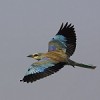
CLIMATE CHANGE: Watch the Birdies
Ornithologists say that climate change is having a profound effect on bird behaviour and suggest that this phenomenon can act as an early warning system to the dangers posed to Earth.
SPECIAL OP-ED: Why Women’s Reproductive Freedom Ensures Our Survival
Fifteen years ago in Beijing, then first lady, Hillary Clinton, stated firmly, "Women's rights are human rights." Today, after eight years of non-existent U.S. support for women's reproductive rights, Secretary of State Clinton is reviving women's hopes around the globe by affirming the Obama Administration's support for the International Conference on Population and Development Action Plan.MEDIA-US: Afghanistan Dominated TV Foreign News in 2009
Afghanistan and the U.S. military escalation in the civil war there dominated foreign-related news coverage by the three major U.S. television networks in 2009, according to the latest annual review by the authoritative Tyndall Report.SOUTH ASIA: ‘Harness Untapped Renewable Energy Sources’ — Experts
With its vast renewable energy potential, South Asia can lead the world in achieving energy security.DEVELOPMENT: Clinton Lays Out U.S. Strategy
Secretary of State Hillary Clinton Wednesday pledged to make development, along with defence and diplomacy, "a central pillar" of U.S. foreign policy and results, rather than ideology, a guiding principle in devising development policy.FILM: Saving Lives Amid the Chaos of War
The documentary "Living in Emergency" is as graphic as it is gripping, following doctors working in humanitarian crises as they face death, disease and despair in Liberia and the Democratic Republic of Congo (DRC).THAILAND: With Hmong Expulsion, Army Asserts Foreign Policy Role
The recent deportation of Hmong asylum seekers to Laos has shown that Thailand’s powerful military remains the dominant player in shaping the relationship between this South-east Asian kingdom and its immediate neighbours.POLITICS: Russia, China Sustain Military Toehold in Yemen
Russia has stolen a march over the United States in the multi-million-dollar arms market in cash-strapped Yemen, whose weapons purchases are being funded mostly by neighbouring Saudi Arabia.IRAN: New Revelations Tear Holes in Nuclear Trigger Story
New revelations about two documents leaked to The Times of London to show that Iran is working on a "nuclear trigger" mechanism have further undermined the credibility of the document the newspaper had presented as evidence of a continuing Iranian nuclear weapons programme.
BIODIVERSITY: Invasive Species Multiply in U.S. Waterways
As 2010, the U.N.'s International Year of Biodiversity, gets underway, a fight against some of the most damaging invasive species in U.S. waterways is heating up.POLITICS: Backlash against Rogue Chinese Investors Alarms Beijing
As China moves up in the world and the need for investment in its own infrastructure declines, Chinese investors and financiers are eyeing lucrative contracts in less developed countries, winning bids to build dams, power plants and highways from Burma to Uzbekistan and Angola.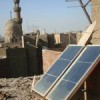
EGYPT: Rooftops Empower the Poor
In one of the poorest and most populous neighborhoods of Cairo, Hussein Soliman and his family live in a small apartment that is a model of clean energy living.« Previous Page — Next Page »


The Week with IPS

NEXT STOP - SDGs
Tracking global progress towards a sustainable world
