
Friday, October 16, 2026



News and Views from the Global South
IPS UN: Inside the Glasshouse
A Long, Uneven and Uncertain Ascent
The COVID-19 pandemic continues to spread with over 1 million lives tragically lost so far. Living with the novel coronavirus has been a challenge like no other, but the world is adapting.
Low-cost Technology can Have Life-changing Impacts for Rural Women
Access to technology which is relatively inexpensive to deploy can have a life-changing impact for rural women, social scientist Valentina Rotondi told IPS.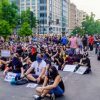
Amid COVID-19, What is the Health of Civic Freedoms?
More than half a year after the World Health Organization declared the COVID-19 outbreak a pandemic, governments are continuing to waste precious time and energy restricting human rights rather than focusing on fighting the virus.
UN Survives a World Turned Upside Down
As the United Nations plans to commemorate its annual UN Day, come October 24, Secretary-General Antonio Guterres is presiding over a world body which has remained locked down since last March because of the spreading coronavirus pandemic.
Why We Need Trees to End to Poverty – Landmark Report
With extreme poverty (living on $1.90 a day) projected to rise for the first time in over 20 years, a new study has concluded that global poverty eradication efforts could be futile in the absence of forests and trees.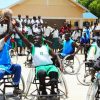
Disregarding Rights of Persons with Disabilities
The lack of consistency and a patchy approach undermines the Government of Nepal’s credibility in fulfilling the rights of persons with disabilities. One step forward and several steps back.
Global Poverty Soars– As Incomes of World’s Billionaires Hit New Highs
The phenomenal rise in extreme poverty -– for the first time in 20 years -- has been accompanied by an upsurge in the incomes of the world’s billionaires and the super-rich.
Improving People’s Lives with Digital Technology during COVID-19
Digital technology has been crucial in ensuring community and connection during the coronavirus pandemic and subsequent lockdowns. And its shown that collaboration between the private and public sector can ensure that digital technology continues to advance in a way that improves people’s lives under crises, experts said on Tuesday, Oct. 13.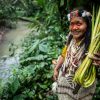
Indigenous Peoples & Local Communities Offer Best Hope for Our Planetary Emergency
Indigenous peoples and local communities offer the best hope for solutions to our planetary emergency. These solutions are grounded in traditional, time-tested practices and knowledge.
Q&A: Women in Mali Play Critical Role in Preventing and Resolving Conflicts
The coronavirus pandemic has affected the safety and sense of community for many women in Mali given the travel restrictions and lockdowns in place, Bassirou Gaye, an assistant researcher for a 2019 report on the role of Mali women in peacekeeping, told IPS this weekend.
Nobel Peace Prize to World Food Programme Delivering Life-Saving Sustenance to Millions Worldwide
With the 2020 Nobel Peace Prize bestowed on the Rome-based World Food Programme (WFP), the United Nations and its affiliated agencies continue to hold a monopoly of one of the world’s most prestigious annual awards.
Why We’re Uniting in Support of African Girl Leaders to beat AIDS & Shift Power
The International Day of the Girl Child on 11th October is a call for us to reflect on our responsibilities. Twenty-five years ago, governments adopted the historic Beijing Declaration and the Platform for Action.
Mayors Explore how COVID-19 Pandemic will Redefine Urban Cities
The coronavirus pandemic has the potential to bring about positive changes for cities, and give leaders the opportunity to make long-term, transformative changes as a result, according to renowned architect Norman Foster, who was speaking at the first ever Forum of Mayors 2020.
The Wreckage Of Trump’s Presidency*
Like many Americans, I have been observing Trump’s rise to power with some perplexity, often asking myself how and why a man of his character became the President of the United States, which is viewed as the most powerful political office in the world.
With Armed Groups on the Rise, Youth Engagement is More Important than Ever
As governments worldwide struggle to contain COVID-19, recent reports suggesting armed groups like Islamic State are resurging offer a sobering account of the many challenges that the global community now faces.
World Peace is Not Only Possible But Inevitable
COVID-19 has shifted our world. Over the last six months, no matter where we live, our lives, assumptions, and relationships have changed. Now, more than ever, we have witnessed people from all backgrounds and all ages rise to assist each other.
We Need Nature and Biodiversity if We Want a Sustainable Future
“Investing in nature is investing in a sustainable future,” was one of the key messages from yesterday’s first-ever United Nations Summit on Biodiversity where world leaders and experts agreed on the urgency to act swiftly to preserve biodiversity globally.
To Achieve Gender Equality Within, the UN Must Do More to Tackle Sexual Harassment
In September 2017, Secretary-General António Guterres launched the “System-wide strategy on gender parity”, which set the goal of reaching gender parity within the United Nations by 2028 and outlined a strategy on how to achieve this, including the introduction of special measures, senior appointments, targets and accountability, amongst other things.
To Achieve Progress on Gender Equality, Gender Data Must Be at the Forefront
In 1995, world leaders gathered in Beijing for the Fourth World Conference on Women and adopted the Beijing Declaration and Platform for Action. This marked a significant turning point for the global agenda for gender equality. This week, a high-level event will take place as part of the United Nations General Assembly to celebrate the meeting’s 25th anniversary. However, despite ambitious commitments to gender equality, nearly 25 years later, progress still lags far behind.
Staff to UN Management: Please Drop Your Plans for Uber-Style Contracts
As the United Nations prepares to celebrate its 75th anniversary we have been made aware of an extremely worrying development concerning the future of UN staff contracts.
Q&A: How Fast Fashion Sits at the Crucial Intersection of Environmental & Gender Justice
Racism “keeps the global north oblivious to the effect of fast fashion addiction on the global south” say environmental and gender justice experts.« Previous Page — Next Page »





It was dubbed "The Glass House" by U.S. ambassador James Wadsworth in 1966. Half a century later, the United Nations has gradually expanded its role as agent of peace and protector of the world's vulnerable populations, while simultaneously facing internal pressures to become more inclusive, increase transparency and maintain legitimacy in the post-Cold War political and economic order. Highlighting the local impacts of global policies on economic development, environment, health and human rights, IPS's coverage goes beyond the edicts of the Security Council to illuminate the power struggles, successes and shortcomings of the 193-member institution as it grapples with crises like climate change, armed conflict, poverty and HIV/AIDS.

The Week with IPS
