Languages
Wednesday, November 11, 2026



News and Views from the Global South
Headlines
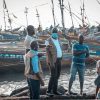
Why COP27 Matters to Sierra Leone
Sierra Leone is among the 10 percent of countries in the world that are most vulnerable to the adverse consequences of climate change, and presently one of the least able to cope with the effects.
COP27: Climate Justice: Where do the Religiously Marginalised Fit in?
Climate change reductionism – assuming the causes and the redress for those suffering the worst impacts of extreme weather lies with climate change alone - undermines the rights of religiously marginalised persons, but broadening whose rights are being advocated for in climate change can offer redress.
Indigenous Peoples Have Their Own Agenda at COP27, Demand Direct Financing
Indigenous peoples are no longer content just to attend as observers and to be seen as victims of the impacts of the current development model, at the 27th Conference of the Parties (COP27) on Climate Change. That is why they came to the summit in Egypt with an agenda of their own, including the demand that their communities directly receive funding for climate action.
Former War Zones in El Salvador Obtain Water with the Help of the Sun – VIDEO
 Several community-run water projects powered by solar energy have improved the quality of life of thousands of rural families in areas that were the scene of heavy fighting during El Salvador's civil war in the 1980s.

Market Lords, Much More than a War, Behind World’s Food Crisis
While grain exports continue to regularly flow to world's markets since the July 2022 Turkey-brokered agreement between Russia and Ukraine to resume cereals and fertilisers shipments from both countries, food prices are still skyrocketing everywhere. How come?
Academics’ Strike Puts Spotlight on Nigeria’s Brain Drain
For eight months, the halls of Nigeria's universities and colleges remained silent – the result of a lecturers' strike brought upon by a wage and conditions of service dispute.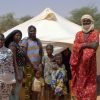
President Biden is Hosting a Summit of African Leaders – Governance in the Sahel Must Be a Priority
The upcoming Africa Leaders’ Summit- slated to take place in Washington, DC in December- is well-timed. The Biden administration has made a welcome and significant push over the past two years to support democracy, anti-corruption and peace-building around the world- and in Africa in particular.
A World of 8 Billion: Population Growth Will Continue But it’s Slowing Down
Global population is about to reach 8 billion, a mere 11 years after it reached 7 billion. The official Day of 8 Billion is observed by the UN November 15, though it's hard to pinpoint exactly when we pass the actual milestone.
Making the UN Charter a Reality: Towards a New Approach to Development Cooperation?
We are living in a world where both our bilateral and multilateral achievements, consensuses on human rights and social justice, and our resolve to public good are being tested like never before.
‘Tactical’ Nuclear Weapons Could Unleash Untold Damage, Experts Warn
Since the start of Russia’s invasion of Ukraine, the conflict’s potential to escalate to the use of nuclear weapons has been highlighted by political analysts and military experts alike.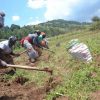
Climate Finance for Locally-Led Climate Solutions Needs a New Focus
Imagine a world where the people hit hardest by climate crisis have a say in how to stop it. Imagine that youth, Indigenous Peoples, women, and others most affected by global warming have the resources to implement their own climate solutions. Solutions that are highly effective because they meet local needs, suit the local context, and create sustainable economic opportunities for local people. This world would be one where people have a much better chance of surviving, and even thriving, despite the massive upheavals of the climate crisis.
The Paradox of Invisibility: Submarine Cables and the Geopolitics of Deep Seas
The recent incidents of sabotage of the Nord Stream gas pipeline in the depths of the Baltic Sea, the authorship of which still raises doubts today, have reminded us that some of the key infrastructures that condition geopolitics, and our daily lives, are largely located deep under the sea.
Energy: Why Africa Must Be Part of Nuclear Energy Appetite
The search for energy diversification has taken a more frantic pace amidst the global energy transition debate.
COP27: Religious Multilateralism: An Endangered Species in the Age of Triple Planetary Crises
In this year’s COP 27 two-weeklong summit in Egypt, which concludes November 18, a rough count indicates there will be 40 different sessions organised by, for, and about, religious engagements in/on climate change and related issues. This is likely the highest number of events by and around religious actors, organised at a COP event.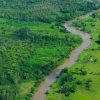
COP27: Bolsonaro’s Defeat is a Triumph for Climate Change Advocates
The electoral defeat of Brazil’s Jair Bolsonaro is a triumph for everyone who is concerned about the peril of climate change. Bolsonaro’s well-deserved defeat could help save the Amazon rainforest, which has been ravaged under his criminal rule, and the process of reversing the looming climate change catastrophe can begin
Progress on Tuberculosis Can Be Achieved in Africa
The news in many parts of the world is that tuberculosis (TB) is reclaiming the title of the world’s most deadly infection, even as the COVID-19 pandemic continues to kill an estimated 1,450 people daily around the world. But this is not news to African countries, which are home to one third of the people globally who die from TB, even though they have less than one fifth of the world’s population.
World Population after 8,000,000,000
Contrary to the often-cited hype and nonsense of some celebrities reported in the news media, the world’s population of 8,000,000,000 human beings is not going to collapse any time soon.
Younger Generation Needed in Efforts to Change the Leprosy Perceptions, Says Miss World Brazil
Deep-rooted discrimination against persons affected by leprosy or Hansen’s disease has marginalized individuals and communities. As social pariahs, opportunities to pursue their dreams are limited because, at best, they live at the periphery of society and, more often than not, are ostracized.
UN Needs a Sea Change in its Handling of Sexual Exploitation & Abuse (SEA)
Calling it “so disappointing and disheartening” in social media on 17 October, Dr. Rosie James, a British medical expert, announced that “I was sexually assaulted by a World Health Organization (WHO) staff tonight at the World Health Summit.”
COP27: Egypt’s Repressive Regime Under Fire—While it Hosts a Key Climate Summit
The COP27 climate summit in Sharm el-Sheikh has triggered a negative fallout for Egypt’s authoritarian regime which stands accused of human rights abuses -- and has been widely condemned for its longstanding repressive campaign against dissidents and civil society organizations (CSOs).
Limits to Growth: Inconvenient Truth of Our Times
Ahead of the first United Nations environmental summit in Stockholm in 1972, a group of scientists prepared The Limits to Growth report for the Club of Rome. It showed planet Earth’s finite natural resources cannot support ever-growing human consumption.« Previous Page — Next Page »





