Languages
Friday, November 20, 2026



News and Views from the Global South
Africa
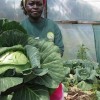
KENYA: Microloans, Greenhouses Help Women Cope with Climate Change
At Gakoromone Market in Meru, in Kenya’s Eastern Province, Ruth Muriuki arrives in a pickup full of tomatoes and cabbages despite the scarcity of rainfall in the area, thanks to the greenhouse technology she uses on her farm – and microcredit.
ZIMBABWE: Farmers Tackle Water Problems Fuelled by Climate Change
Beauty Moyo’s desire for access to water has finally been met. The rains that fell in the past week after a long dry patch have awakened this small-holder farmer deep in rural Plumtree, Zimbabwe on the border with Botswana to the reality of sparse rainfall, climate change and how she and her fellow villagers can respond.
Hard to Stay in Libya, Difficult to Return
At the battered terminal of Tripoli’s tiny Mitiga airport, over 150 young men and women jostle to be repatriated home to Nigeria on Libya’s Buraq airlines. This journey to Lagos is one of hundreds the International Organisation for Migration (IOM) has facilitated since the start of the uprising against Gaddafi’s regime over a year ago.SOUTH AFRICA: Rural School Running on Methane Bio-Gas
Tucked against the rolling hills of South Africa’s Eastern Cape province, a small rural school has been turning its kitchen scraps, and agricultural and human waste into methane gas for cooking, and nutrient-rich fertiliser, and is even recycling its water.
Brazil, Emerging South-South Donor
The Brazilian government is stepping up South-South aid, to strengthen the South American giant’s status as a donor country and its international clout. It now provides assistance to 65 countries, and its financial aid has grown threefold in the last seven years.
CENTRAL AFRICA: Tentative Steps Towards Adaptation
Governments and civil society organisations in Central Africa are slowly developing strategies in response to global warming. But specialists say the steps being taken seem hesitant in the face of emerging realities.
SOUTH AFRICA: Rural School Running on Methane Bio-Gas
Tucked against the rolling hills of South Africa’s Eastern Cape province, a small rural school has been turning its kitchen scraps, and agricultural and human waste into methane gas for cooking, and nutrient-rich fertiliser, and is even recycling its water.GUINEA: Working to Provide Water and Electricity For All
Guinea faces acute problems in the supply of clean water and electricity to its citizens, slowing the country's economic development. A major project to address this is now under way, but some Guineans are sceptical of its promises.
CENTRAL AFRICA: Tentative Steps Towards Adaptation
Governments and civil society organisations in Central Africa are slowly developing strategies in response to global warming. But specialists say the steps being taken seem hesitant in the face of emerging realities.
GUINEA: Working to Provide Water and Electricity For All
Guinea faces acute problems in the supply of clean water and electricity to its citizens, slowing the country's economic development. A major project to address this is now under way, but some Guineans are sceptical of its promises.
Drought in Sahel Affects Urban Cameroonians
Sala Aminata, a housewife from the Logone and Shari Division in Cameroon’s Far North Region, looks at her six kids with apprehension as she tries to figure out how to feed them with her meagre salary.
ZAMBIA: No Longer “Waiting for the Mangoes to Ripen”
Eight years ago when Mary Sitali’s husband divorced her, by sending a traditional letter to her parents saying that he no longer wanted her and they could "marry her to any man of your choice - be he a tall or a short man, the choice being entirely yours," she returned to her village in rural Zambia with their two children and no way of supporting them.
DR CONGO: Farmers’ Organisations Slam New Agriculture Law
Farmers' organisations in the Democratic Republic of Congo say the country's new Agriculture Law – enacted last December – could lead to many smallholder farmers losing their land.
Rural Women Are Leading the Way – Will the World Follow – Part 2
The United Nations’ 56th session of the Commission on the Status of Women (CSW) opened Monday in New York, with the empowerment of rural women high on a list of priorities for this year.
GHANA: Father’s Fight to Save Daughter from Genital Mutilation
When Jack Sabadgou left Ghana for Switzerland 10 years ago, he left his infant daughter behind to be raised by her mother. Now he wants his child back, and he is running out of time in a bid to save her from the banned traditional practice of female genital mutilation.
Africa’s Urban Slum Children Among Most Disadvantaged
Each day after school, nine-year-old Nelly Wangui hurries home with a bundle of firewood balanced on her head. The paper bag in which she carries her schoolbooks sits precariously on top of the stack and every now and then she reaches out to ensure that her books have not fallen down.
GHANA: Father’s Fight to Save Daughter from Genital Mutilation
When Jack Sabadgou left Ghana for Switzerland 10 years ago, he left his infant daughter behind to be raised by her mother. Now he wants his child back, and he is running out of time in a bid to save her from the banned traditional practice of female genital mutilation.Africa’s Urban Slum Children Among Most Disadvantaged
Each day after school, nine-year-old Nelly Wangui hurries home with a bundle of firewood balanced on her head. The paper bag in which she carries her schoolbooks sits precariously on top of the stack and every now and then she reaches out to ensure that her books have not fallen down.
Rural Women Are Leading the Way – Will the World Follow? – Part 2
The United Nations’ 56th session of the Commission on the Status of Women (CSW) begins today in New York, with the empowerment of rural women high on a list of priorities for this year.
DR CONGO: Farmers’ Organisations Slam New Agriculture Law
Farmers' organisations in the Democratic Republic of Congo say the country's new Agriculture Law – enacted last December – could lead to many smallholder farmers losing their land.Drought in Sahel Affects Urban Cameroonians
Sala Aminata, a housewife from Logone and Shari Division in Cameroon’s Far North Region, looks at her six kids with apprehension as she tries to figure out how to feed them with her meagre salary.« Previous Page — Next Page » *#*

The Week with IPS

NEXT STOP - SDGs
Tracking global progress towards a sustainable world
Tracking global progress towards a sustainable world
