Languages
Sunday, November 8, 2026



News and Views from the Global South
Armed Conflicts
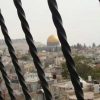
Jerusalem: A Flashpoint For Conflict Or Microcosm Of Peace?
Regardless of how the current and future violent conflicts between Israel and the Palestinians in Jerusalem will end, there will be no Israeli-Palestinian peace unless East Jerusalem becomes the capital of a Palestinian state while the city remains united.
Women Leading Somalia’s Health System
Somalia is one of the most complex regions of the world, with threats and political instability, extreme weather conditions, movement of internally displaced people (IDPs), decades of conflict, poverty-related deprivation, poor health and communicable diseases that are killing people. There is a constant risk of gender violence making women, children and members of minority groups particularly vulnerable, and more so during displacement or while seeking work. Three decades of civil war and instability have weakened Somalia’s health system and contributed to it having some of the lowest health indicators in the world. The COVID-19 pandemic has added yet another strain on its tremendously fragile infrastructure presenting unexpected challenges and dilemmas.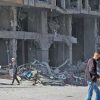
The Devastating Gun Battle in Gaza is Being Fought in an Uneven Killing Field
In most civil wars and military conflicts across the politically-volatile Middle East, including in Syria, Yemen and Palestine, the ongoing battles are being fought not on a level playing field but on an uneven killing field.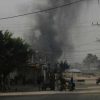
US Casts 45 Vetoes – and Counting—While Protecting a Client State
The UN Security Council (UNSC), the most powerful political body at the United Nations, has largely remained silent or ineffective in resolving one of the longstanding military conflicts in the Middle East involving Israelis and Palestinians.
Refugee Children Explain How Education Helped Put Their Trauma Behind Them
Eighteen-year-old Chuol Nyakoach lives in the Nguenyyiel Refugee Camp in Gambella, Ethiopia. Chuol is grateful that despite the trauma she has already experienced in her young life, she is able to continue her education in the refugee camp. Learning has given her a reason to wake up every day.
Human Rights Watch: A Threshold Crossed
Human Rights Watch’s 27 April report, A Threshold Crossed: Israeli Authorities and the Crimes of Apartheid and Persecution, could also have been entitled Better Late Than Never.
The Day the UN Buried its Report on Apartheid in Israel
When the UN’s Beirut-based Economic and Social Commission for Western Asia (ESCWA), released a landmark 2017 report on “apartheid” in Israel, the United Nations disassociated itself with the study and left it to die--- unceremoniously and unsung.
Q&A: Drawing Attention to the Crisis in the DRC’s Education Sector
Yasmine Sherif, Director of Education Cannot Wait (ECW), has sounded the alarm on the need for Central African Republic refugee children and youth to access quality education during her visit to a refugee site in the Democratic Republic of the Congo (DRC) from Apr. 20-23.
US-China Cold War Could Lead to a More Dangerous Nuclear Stand-off
Despite the negotiation of the Treaty on the Prohibition of Nuclear Weapons (TPNW), we are confronted by the increasing dangers of great power war, even nuclear war.
World Military Spending Rises to a Hefty $2.0 Trillion Despite UN Pleas for Cutbacks
The United Nations-- which is desperately seeking funds to help developing nations battling a staggering array of socio-economic problems, including extreme poverty, hunger, economic inequalities and environmental hazards-- has continued to be one of the strongest advocates of disarmament.
One Year Later; No Justice for Victims of 2020 Mali Protests & Coup
It has been about a year since anti-government demonstrations and a coup in Mali, which saw 18 people, including a 12-year-old boy being killed. But there has been no justice for the families of those injured and killed by defence and security forces during last year's May to August protests.
Disability in Goma. The Power of Staying Together Against Covid-19, War, and Stigma
 Sylvain Kakule Kadjibwami lost the use of his legs during one of those ambushes that bloodlessly bleed North Kivu. “When I was shot, I thought it was the end of my life, but when I shared it with other disabled people, I discovered that life is still possible,” he said. Now it is Covid-19 that risks destroying the dreams of Sylvain, a small trader from Goma, a city whose roads are volcanic rock-ridden screes where pick-ups trudge. Those who walk face the risk of falling at every step. However, for those who cannot, the same roads can become traps where it is not only war that kills but also a stigma fostering misery and disease.

World Moving Towards a “Devastating Marriage” of Artificial Intelligence & Weapons of War
Landmines are among the most insidious and cruel weapons of all, because they do not distinguish between armed soldiers, civilians or even children.
Palestinians are Suffering from Hunger, Poverty, Conflict & a Global Pandemic
The Trump administration’s decision to cut off assistance to the United Nations Relief and Works Agency (UNRWA) caused considerable hardship for Palestinian refugees during the coronavirus pandemic, particularly those in Gaza where a majority of the population are refugees and poverty is rampant due to Israel’s blockade, Khaled Elgindy, a Senior Fellow at the Middle East Institute (MEI), told IPS.
A Healthy Indian Ocean Feeds, Protects, and Connects all South Asians
It is the oceans that engendered life. The lives of humans remain connected to the seas, making the good health of the seas and the efficient management of sea-based activity essential elements for the wellbeing of people and nations.
Syrians are Victims of a War “We Did not Choose”
Syrians are among the greatest victims of this century, according to the UN Special Envoy for Syria, Geir Pedersen. Indeed, we are.
In Syria, a Decade of Death, Destruction, Displacement, Disease, Dread & Despair
The conflict in Syria is now ten years old. A decade of death, destruction, displacement, disease, dread and despair. I have spoken to Syrians in many parts of the country in recent weeks.
UN Sanitizes Killings of Children in Armed Conflicts
The horrendous killings of children in military conflicts and civil wars – both by national armed forces and militant groups – have triggered widespread condemnation by human rights organizations worldwide.
Why Children Are Prime Targets of Armed Groups in Northern Nigeria
Due to growing insecurity, Nigeria is gradually becoming one of the most dangerous places to live. The 2020 Global Terrorism Index identified the country as the third most affected by terrorism. There was a sharp increase in Boko Haram’s targeting of civilians by 25%, and killings by herdsmen increased by 26%, compared with the previous year. The two countries higher on the index are Iraq and Afghanistan.
‘Living Hell’ – Concerns Mount over Dramatic Deterioration in Yemen Conflict
The United Nations Special Envoy for Yemen has warned that the world’s worst humanitarian crisis, is rapidly deteriorating as Yemenis, including women and children, face hunger, injury and death.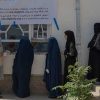
How to Achieve Peace in Afghanistan
There is much expectation about US President Joe Biden's Afghanistan strategy to end the United States' longest war effectively. So far, he continues to rely on Ambassador Zalmai Khalilzad, the Special Envoy for Afghanistan, appointed by Mr. Trump.« Previous Page — Next Page »





Armed conflicts are a sad constant on daily front pages worldwide. Wars, civil wars, revolts, coups, genocides, ethnic and political violence, and global terrorism capture our attention for the geopolitical landslides, human suffering, food crises and streams of migration that follow in their wake. As in times of natural disaster, man-made crises claim frequent casualties among the poor, women and children. IPS examines emerging and ongoing armed conflicts around the world with an eye on the underlying social and political dynamics, and special focus on the lived experiences of those most affected by armed conflict.

The Week with IPS

NEXT STOP - SDGs
Tracking global progress towards a sustainable world
Tracking global progress towards a sustainable world
