Languages
Sunday, November 22, 2026



News and Views from the Global South
Asia-Pacific
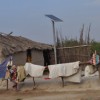
PAKISTAN: And Then There Was Light
Hasan Ibrahim’s tea stall is the busiest place in the sleepy, sand-dune covered village of Sholani, proof of the economic and social change the arrival of electricity has ushered in.Women in Garment Factories Help Cambodia Out of Poverty
Cambodia’s rise out of poverty continues to depend on the nimble fingers of young women like Khiev Chren.U.S.: Poll Finds Support for Freeze on Nuke Plants
The United States government has been accused of failing to read growing public concern about the future of the country's atomic energy programme, as the crisis at Japan's stricken Fukushima nuclear plant continues to unfold.
INDIA: EU Trade Deal May Curb Affordable Drug Supply
As India prepares to seal a sweeping trade and investment deal with the European Union (EU) in April, civil society groups are campaigning to limit the agreement's repercussions within the local generic drug industry here upon which millions of people around the globe depend.New Bid to Break Afghanistan Stalemate
As the Barack Obama administration seeks to limit its involvement in a third Muslim conflict in Libya, efforts are intensifying to help it find a political solution to the longest U.S. war – in Afghanistan.
PAKISTAN: Citizens and NGOs Step Forward to End Illiteracy
The man known as ‘Master Ayub’ holds classes for free, between three and seven o’clock. His classroom is a public park, and his students are street children six to 16 years of age who otherwise would be picking trash, begging, or slowly becoming petty thieves.
Q&A: “Microfinance Is Much More Than Just Credit”
A day after U.S. assistant secretary of state for south and central Asian affairs Robert Blake appealed to the Bangladeshi government to reconsider its dismissal of 70-year-old microfinance guru Muhammad Yunus from the Grameen Bank, IPS spoke with the president and CEO of Women's World Banking (WWB), currently the most comprehensive network of microfinance institutions (MFIs) in the world.WIKILEAKS: Australians Call For Legislation to Protect Whistleblowers
Some Australians are convinced their government is sharing intelligence information with foreign powers about citizens implicated by documents released by Wikileaks.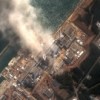
Who Controls the Nuclear Control Agencies?
As Japan struggles to confront a nuclear disaster that could be the worst in history, it seems clear that any discussion about the safety of nuclear energy should address the independence of regulatory agencies.SOUTHEAST ASIA: Despite Japan’s Crisis, Vietnam Aims to Win Region’s Nuclear Race
Vietnam’s race to build nuclear power plants has barely skipped a beat despite the troubling scenes unfolding in Japan, where a nuclear nightmare has gripped the country for over a week. It places the Southeast Asian nation at odds with its regional neighbours who have similar plans but are urging caution.SRI LANKA: Parliamentarian Breaks Silence on Domestic Violence
She became famous playing the role of ‘Pabha’, a poor young girl in love with a rich man in a long running hit television series here. But these days, Upeksha Suwarnamali is better known for her real-life role: A victim of domestic violence turned champion of abused women.JAPAN: Vulnerability and Uncertainty Prevail In Wake of Nuclear Disaster
Accidents at four nuclear power reactors hit by the earthquake and tsunami in Fukushima have left thousands of residents in the vicinity facing an uncertain future as they prepare for evacuation orders to protect them from dangerous radiation contamination.
Iran Battles U.S. At UN Human Rights Council
Forty-nine United Nations member-states have co-sponsored a resolution asking for a special mechanism to monitor Iran's human rights situation, which is expected to be voted later this week at the UN Human Rights Council (HRC).Impunity for Killers of Women in Strife-torn Kashmir
Fracha Begam has been unable to come to terms with the deaths of her two teenage daughters, killed by unknown gunmen in the latest incident of violence against women in the Kashmir Valley.Forced Closure of HRW Worries Uzbek Rights Groups
Western powers must prove that their support for human rights is "on the right side of history" following the forced closure of the only independent international rights group in Uzbekistan, a country ruled by a repressive regime since 1991, rights defenders say.Cambodia Struggles to Stem Domestic Worker Abuse
Cambodia’s fledgling domestic worker export industry continues to come under scrutiny amid allegations that women have been forcibly detained in privately run training centres.
INDIA: Engaging Africa With Software and Soft Power
India cannot match China’s massive investments in Africa, but it is using its information technology capabilities and its affordable university courses to stay relevant on the continent.CHINA: Sympathy for Japan Drowns Out Historic Hate
Despite deep historic tensions between the two Asian powers, a surge of sympathy has emerged among Chinese toward victims of last week’s earthquake and resulting tsunami in northern Japan, which has left an estimated 10,000 dead or missing.Japan Nuke Disaster Could Be Worse Than Chernobyl
A global nuclear disaster potentially worse than Chernobyl may be under way in Japan as hundreds of tonnes of highly radioactive spent nuclear fuel are open to the sky, and may be on fire and emitting radioactive particles into the atmosphere.
TAIWAN: Public Demands Safety Review of New Reactor
The unfolding disaster at Japan’s Fukushima Daiichi Nuclear Power Plant has reignited debate over Taiwan’s own nuclear power programme and the controversy over continuing construction of a fourth nuclear facility here.
CAMBODIA: Botched World Bank Project Leads to Thousands of Evictions
The World Bank botched the handling of an ambitious multi-million-dollar land- titling project in Cambodia and has done little to protect thousands of people in a lakeside slum from eviction.« Previous Page — Next Page »


The Week with IPS

NEXT STOP - SDGs
Tracking global progress towards a sustainable world
Tracking global progress towards a sustainable world
