
Thursday, November 19, 2026



News and Views from the Global South
Climate Change

Fossil Fuels Won’t Benefit Africa in Absence of Sound Environmental Policies
Recent discoveries of sizeable natural gas reserves and barrels of oil in a number of African countries — including Uganda, Tanzania and Kenya — have economists hopeful that the continent can boost and diversify its largely agriculture-based economy.
St. Vincent Takes to Heart Hard Lessons on Climate Change
Glenda Williams has lived in the Pastures community in eastern St. Vincent all her life. She's seen the area flooded by storms on multiple occasions.
Deadly Floods and Climate Change Resilience in St. Vincent
 In the last three years, St. Vincent and the Grenadines has been forced to spend more than 600 million dollars to rebuild its battered infrastructure. Landslides in April 2011, followed by December 2013 floods that also affected Dominica and St. Lucia and left 13 people dead, may be just the beginning, as climate change brings more extreme weather events to the Caribbean.

Bangladeshi ‘Char Dwellers’ in Search of Higher Ground
Jahanara Begum, a 35-year-old housewife, is surrounded by thatched-roof homes, all of which are partially submerged by floodwater.
Good Twins or Evil Twins? U.S., China Could Tip the Climate Balance
China and the United States are responsible for 35 percent of global carbon emissions but could do their part to keep climate change to less than two degrees C by adopting best energy efficiency standards, a new analysis shows.
“Yeil” – The New Energy Buzzword in Argentina
In Argentina they call it “yeil”, the hispanicised version of “shale”. But while these unconventional gas and oil reserves are seen by many as offering a means to development and a route towards energy self-sufficiency, others believe the term should fall into disuse because the global trend is towards clean, renewable sources of energy.
OPINION: Where Governments Fail, It’s Up to the People to Rise
Pomerania in northern Poland is famous for its unpolluted environment, fertile soils and historic heritage. So far, these valuable farmlands have been free from heavy industry but that situation might change as a shadow looms over the lives of Pomeranians.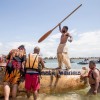
OPINION: The Front Line of Climate Change is Here and Now
The fate of my country rests in your hands: that was the message which Ian Fry, representing Tuvalu gave at the United Nations Climate Change Conference in Copenhagen five years ago. This is also the message that the Pacific Climate Warriors have come to Australia to bring.
OPINION: Renewable Energies – a Double-Edged Sword
The United Nations Framework Convention on Climate Change has set a target of reducing emissions of greenhouse gases such as CO2. One way countries can meet their obligations is to switch energy production from the burning of fossil fuels to “renewables”, generally understood to include wind, wave, tidal, hydro, solar and geothermal power and biomass.
Kazakhstan’s Nazarbayev Signals U-Turn on Alternative Energy
From small villages to big cities, wherever you go in Kazakhstan these days, billboards offer reminders that Astana is gearing up to host Expo 2017, the next World’s Fair. Kazakhstan helped secure the right to host the event with a pledge to emphasise green energy alternatives. But now it appears that Kazakhstan is red-lighting its own green transition.Global South Brings United Front to Green Climate Fund
The United Nations’ key mechanism for funding climate change-related mitigation and adaptation in developing countries is now ready to receive funds, following a series of agreements between rich and poor economies.
Kashmir Flood Carries Away Humble Dreams
Rafiqa Kazim and her husband Kazim Ali had a simple dream – to live a modest life, educate their four children and repay the bank-loan that the couple took out to sustain their small business.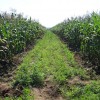
Sustaining Africa’s Development by Leveraging on Climate Change
By leveraging knowledge about climate change, through adopting improved agriculture technologies and using water and energy more effectively, Africa can accelerate its march towards sustainable development.
Climate Negotiators “Sleepwalking” in Bonn
The 410,000 people who took to the streets for climate action in New York City during the U.N. Climate Summit would have been outraged by the 90-minute delay and same-old political posturing at the first day of a crucial round of climate treaty negotiations in Bonn at the World Congress Center.
OPINION: The Politics of Biodiversity Loss
To mainstream biodiversity concerns into development planning, we must offer a compelling rationale and demonstrate biodiversity’s relevance to wealth generation, job creation and general human wellbeing. Only a persuasive “why” resonating throughout society will successfully get us to urgently needed negotiations of who, what, where, when and how to halt disastrous biodiversity loss.
Panama’s Indigenous People Want to Harness the Riches of Their Forests
For indigenous people in Panama, the rainforest where they live is not only their habitat but also their spiritual home, and their link to nature and their ancestors. The forest holds part of their essence and their identity.
We Must Think of “Security” in New Ways
Recent events in the Arab world and elsewhere have underscored the point that traditional notions of security being dependent solely on military and related apparatus are outmoded.
Ethiopia Moves in Right Direction with Climate Change Response But Challenges Remain
Ethiopia is widely regarded as an African success story when it comes to economic growth. According to the International Monetary Fund, the country’s economy is growing by seven percent annually. But there are concerns that climate change could jeopardise this growth.
Pacific Islanders Take on Australian Coal
The recent blockade of ships entering the world’s largest coal port in Newcastle, Australia, has brought much-needed attention to the negative impacts of the fossil fuel industry on global climate patterns. But it will take more than a single action to bring the change required to prevent catastrophic levels of climate change.
Belize Fights to Save a Crucial Barrier Reef
Home to the second longest barrier reef in the world and the largest in the Western Hemisphere, which provides jobs in fishing, tourism and other industries which feed the lifeblood of the economy, Belize has long been acutely aware of the need to protect its marine resources from both human and natural activities.
Warmer Days a Catastrophe in the Making for Kenya’s Pastoralists
Seif Hassan is a pastoralist from Garissa, Northern Kenya, some 380 kilometres outside of the capital, Nairobi. He sells his animals at the Garissa livestock market where, during a good season, pastoralists can sell up to 5,000 animals per week and “it is a cash-making business.”« Previous Page — Next Page »


As unsustainable human consumption and production systems are driving changes in average temperatures and weather patterns, "abnormal" is increasingly becoming the norm. So far, a lack of financing has been standing in the way of a comprehensive global plan for climate adaptation, and a global financial crisis has contributed to an increasing reliance on public-private partnerships. Our Climate Change page provides you with the latest news about international and local efforts to address what's frequently been called "the challenge of our time", the forces behind the climate change and the impact it has on the world's most vulnerable populations. Along the way, we bring you stories on growing citizen awareness, new scientific data, and emerging climate policies towards sustainable development.

The Week with IPS

Tracking global progress towards a sustainable world

