Languages
Saturday, November 14, 2026



News and Views from the Global South
Featured

We Need to Slow down and Reconnect with Our Ocean for the Future of the Planet
 COVID19 has brought the world to a halt. The devastating impact of the global pandemic on people’s lives and the world’s economy is a jarring and historic turning point for all of us but it is also an opportunity to re-think many of our practices.

Zimbabwe and US Diplomacy – this Time the Fight is About George Floyd
“As tall as he is, if he continues to do that I will kick him out of the country,” thundered Zimbabwe’s former President Robert Mugabe in 2008, his anger aimed at the then United States ambassador James McGee after the diplomat questioned the results of Zimbabwe’s 2008 general elections.
Water, Climate, Conflict & Migration: Coping with 1 Billion People on the Move by 2050
Do migrants willingly choose to flee their homes, or is migration the only option available? There is no clear, one-size-fits-all explanation for a decision to migrate — a choice that will be made today by many people worldwide, and by an ever-rising number in years to come because of a lack of access to water, climate disasters, a health crisis and other problems.
Press Freedom Under COVID-19 Lockdown in Asia
Governments have made the media “a scapegoat” across Asia, targeting journalists who are simply reporting on the failures or shortcomings of their leadership during the coronavirus pandemic, press freedom experts have warned.

Philippines’ Senior Citizens Vulnerabilities Increase Because of COVID-19 Lockdown
In the Philippines, May has long been a month of joy when farmers harvest their rice crop and celebrate the Pahiyas harvest festival. But this year, the mood was somber. The food production and supply system also affected, thanks to the coronavirus lockdown, and the economy frozen. As a result, millions of Filipinos, especially senior citizens, are now looking at an uncertain future.
The Bible, Donald Trump and Plastic
Another episode of the spectacular show that could be called The Greatest Story Ever Told: The Saga of the Trump Presidency, scripted and acted by Trump himself, took place on 1st of June.
Covid-19: Caring for Care Workers
COVID-19 has brought the world to a halt. Nations, businesses, and schools have closed, and billions are confined to their homes. Yet millions of care workers step out daily to keep the lights on and support those in need.
We Arabs Ask No Favors…..
In these difficult times for the Palestinian people and for justice, the Government of Israel is proposing to add further to the turmoil by unilaterally absorbing large swathes of the Palestinian West Bank of the Jordan River. It might therefore be fitting to remind the world of the chronology of the events leading up to the creation of the State of Israel in May 1948.
COVID-19: Reset Food Systems Now for a Better Future
The COVID-19 pandemic has highlighted the inherent fragility of food systems, Marta Antonelli told an international video conference organised by the Barilla Center for Food Nutrition (BCFN).
George Floyd: US’ Week of Broken Glass and Broken Dreams
The United States has been a story of broken dreams and broken glass this past week. Once again, an unarmed black man died at the hands of a white police officer, with George Floyd being pinned to the ground under a lawman’s knee in Minneapolis, Minnesota, as stunned passersby made cell-phone videos of the incident to post on social media.
Beyond the COVID-19 Pandemic: What Now?
In the midst of the COVID 19 pandemic, the much-anticipated 73rd World Health Assembly (WHA) of the WHO concluded without any major controversies or disagreements.
Covid-19 Recessions: This Time It’s Really Different
The world economic contraction so far this year is largely due to measures, especially at the national or local level, to contain or prevent Covid-19 contagion, particularly those restricting business operations, thus reducing economic activity, output, incomes and spending.
World Comes Together with $1.35 billion for Yemen
World leaders gathered on Tuesday to pledge $1.35 billion in aid for Yemen, which currently undergoing what many is the world’s “worst humanitarian crisis”, with Saudi Arabia announcing a contribution of $500 million.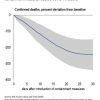
How the Great Lockdown Saved Lives
Since the COVID-19 outbreak was first reported in Wuhan, China in late December 2019, the disease has spread to more than 200 countries and territories. In the absence of a vaccine or effective treatment, governments worldwide have responded by implementing unprecedented containment and mitigation measures—the Great Lockdown. This in turn has resulted in large short-term economic losses, and a decline in global economic activity not seen since the Great Depression. Did it work?
How to Transform UN’s Environmental Goals into a People’s Agenda for Africa
The COVID-19 insurgence has highlighted the need for multilateral cooperation among sustainability stakeholders. As the journey towards achieving Agenda 2030 and the Sustainable Development Goals (SDGs) is fraught with imminent global challenges, global environmental leaders agree that now is the time to act collectively for nature, leaving no one behind.
Prioritising Life or the Economy Will Determine the Post-Pandemic Focus in Urban Areas
The first priority in the COVID-19 pandemic was to save lives, in an effort to avoid even more devastating economic losses if strict lockdown and isolation were not put in place.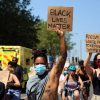
The Pandemic Underlines America’s Ingrained Racism
The murder of George Floyd by a police officer in broad daylight came amid a high point in the continuing rampage of the coronavirus throughout the country, killing over 100,000 and infecting nearly 2 million while more than 45 million have lost their jobs.
This Year of Living Dangerously
Indonesia’s founding President Sukarno delivered his annual Independence or National Day address on 17 August 1964 anticipating the forthcoming year as Tahun vivere pericoloso, the ‘year of living dangerously’. 2020 may well be the world’s turn, and not only due to the obvious Covid-19 threat to the world.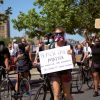
Is the Fight for Human Rights & Racial Justice Overriding the Coronavirus Risk?
The deadly coronavirus pandemic, which has claimed the lives of over 372,000 people worldwide, has reinforced the concept of “social distancing” which bars any gathering of over 10 or 20 people – whether at a social event, a wedding, a political rally or even a funeral.
Beyond the Crisis
Looking back to the start of 2020, the world has changed almost beyond recognition. To protect public health, the global economy was put into stasis. Shops closed, factories were mothballed, and people’s freedom of movement was severely curtailed. No country has escaped the health, economic, and social impacts of the COVID-19 crisis. Tragically, more than 260,000 people have died and millions have been infected. The IMF is projecting global economic activity to decline on a scale not seen since the Great Depression. It is truly a crisis like no other.
For Love or Land – The Debate about Kenyan Women’s Rights to Matrimonial Property
Ida Njeri was a civil servant with access to a Savings and Credit Cooperative Society (SACCO) through her employer, and her husband a private consultant in the information and communication sector, when she began taking low-interest loans from the cooperative so they could buy up land in Ruiru, Central Kenya. She’d willing done it. Part of their long-term plan together for having a family was that they would acquire land and eventually build their dream home. But little did Njeri realise that 12 years and three children later the law would stand against her right to owning the matrimonial property.« Previous Page — Next Page »


The Week with IPS

NEXT STOP - SDGs
Tracking global progress towards a sustainable world
Tracking global progress towards a sustainable world
