Languages
Saturday, November 14, 2026



News and Views from the Global South
Featured

The Great Lockdown Through a Global Lens
The Great Lockdown is expected to play out in three phases, first as countries enter the lockdown, then as they exit, and finally as they escape the lockdown when there is a medical solution to the pandemic.
Why Rwanda is a Great Green Growth Investment
In its effort to accelerate Rwanda's green growth development initiative, its local businesses encouraged their Italian counterparts to invest in the East Africa region.
Women Leadership Is Key to Successful Post-COVID-19 Era, Says Cherie Blair
The impact of COVID-19 lockdowns falls heavily on the shoulders of women even in the global north. Women take the brunt of housework and caretaking duties, homes schooling, working from home and perhaps looking after elderly parents, says Cherie Blair.
When Old Age Catches Up, Even Nuclear Weapons Go into Retirement
The world’s stockpile of nuclear weapons—estimated at over 13,400 at the beginning of 2020 – have a least one thing in common with humans: they are “retired” when they reach old age.
Predicting COVID-19 Infection Fatality Rates Around the World
The world saw more new confirmed COVID-19 cases last week than any week to date. And as the pandemic grows, its epicenter is moving from advanced economies to more developing countries, including Brazil, India, and South Africa.
Agroecology Strengthens Farmers’ Resilience But Highly Underfunded in Africa
With just a quarter of an acre of land in Kesses near Kenya’s Eldoret town in the Rift Valley region, Samson Tanui is practising agroecology and his permaculture unit has become the centre of attraction for farmers from near and afar amid food shortages during the current COVID-19 pandemic.
A Single Seven Year Term for the UN Secretary General?
Many UN supporters expressed disappointment that Secretary General Antonio Guterres said almost nothing, until last week, about police violence against African-Americans in the United States, or about the massive protest movement that has erupted and the repressive response to the protests by US authorities and police forces.
Delivering Humanitarian Assistance in Cox’s Bazar During COVID-19
The novel coronavirus has affected the lives of millions worldwide at its very onset. The situation in Bangladesh is no different. Wearing masks and washing hands frequently have become the new normal. The first laboratory confirmed COVID-19 case was identified in Cox’s Bazar on 23 March. Unforeseen circumstances often lead to unprecedented innovative actions as is exemplified by a Humanitarian Access Project.
Q&A: Global Poverty Expected to Move to Middle Income Developing Nations in Asia
Global poverty, which is increasing because of the economic impact of the coronavirus crisis and ensuing worldwide lockdowns, is shifting and a dramatic increase in middle-income developing countries in Asia is expected.
The Global Economic Reset—Promoting a More Inclusive Recovery
The COVID-19 crisis is inflicting the most pain on those who are already most vulnerable. This calamity could lead to a significant rise in income inequality. And it could jeopardize development gains, from educational attainment to poverty reduction. New estimates suggest that up to 100 million people worldwide could be pushed into extreme poverty, erasing all gains made in poverty reduction in the past three years.
How Cities Can Turn COVID-19 Crisis into an Opportunity to Build Better
From shocking death tolls to widespread job losses, there is no understating the severity of the COVID-19 pandemic’s impact on the world’s cities. Health care systems, economies, and social lives have been upended by a virus for which the world was totally unprepared.China’s “Two Sessions”, and the Hiccups in Hong Kong
The eyes of much of the world were focused on Beijing during the last week of May. That was because China had scheduled for that time-perod what is generally collectively termed “Two Sessions” or Lianghui in Mandarin. These are back-to-back annual parliamentary meetings of the Chinese People’s Political Consultative Conference (CPPCC) and the National People’s Congress (NPC). The event usually take place in March, but this year had to be pushed back to May because of the COVID virus. Again, ordinarily, these last ten days, but this year, for the same reason, the period was compressed to a week.
Malawi’s COVID-19 Cash Transfer Almost Ready But Election Fever may Prevent Lockdown
Malawi remains one of the few nations in the world that has not gone into a coronavirus lockdown as the government rushes to meet the conditions of a court order to implement a cash transfer scheme for the poor before doing so. But as some parts of the world are slowing coming out of their lockdowns, it could be likely this southern African nation won’t go into one as the rerun of the country’s presidential election nears.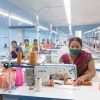
COVID-19 & its Impact on Textile & Garment Supply Chains in Developing Nations
In the first quarter of 2020, the coronavirus pandemic led to a 3% drop in global trade values. COVID-19 could trigger the biggest economic contraction since World War II, affecting all industries from finance to hospitality.
Solar Power Fills Gaps in Underserviced Rural Argentina
Rice farmers in the Argentine province of Entre Rios often look like mechanics. "They're always full of grease, because they haul diesel fuel around all the time, for their water pumps," says local farmer Arturo Deymonnaz. He, however, doesn't have that problem, because he uses solar energy to grow his rice.
World Protests Show Rising Outrage and Mounting Discontent
After a period of forced silence because of the Covid-19 quarantines, citizens around the world are defying coronavirus restrictions and claiming the streets to fight for real democracy, jobs, living wages, public services, human rights and against corruption, inequality and injustice. We predict an increasing wave of protests all over the world led by different types of people defying the status quo. Unless policies change, clashes in the street are likely to become the new normal.
The Sahel – ‘in Every Sense of the Word a Crisis’
The combination of rife insecurity, food insecurity and more than 7.5 million people in need of humanitarian assistance has left the Sahel a region in crisis, with the global coronavirus pandemic expected to exacerbate the situation.
‘Universal Challenges’ Expose Layers of Inequalities
The effects of the COVID-19 pandemic have reminded us that ‘universal challenges’ are experienced differently, based on context. The varying demographics, systems, and administrative structures in each nation have resulted in distinctive experiences and challenges while grappling with the fallout from the crisis.
The Need, Within the UN, for an Honest Conversation on Racism
I want to once again express to all colleagues my enormous appreciation, my enormous gratitude, for your fantastic professionalism, your flexibility and the way you have been able to fully deliver for the people we care for during this period.
Global Solidarity & Effective Cooperation in the Face of COVID-19
The COVID-19 pandemic upended almost every aspects of life as we know it. Even those countries that are supposed to have the means to manage the spread and mitigate the effects are struggling.
UN Chiefs Silenced by Big Powers with Vetoes
The massive protests in more than 120 US cities over racial injustice and police brutality went global last week-- amidst presidential threats of military force on demonstrators in Washington DC.« Previous Page — Next Page »


The Week with IPS

NEXT STOP - SDGs
Tracking global progress towards a sustainable world
Tracking global progress towards a sustainable world
