Languages
Wednesday, November 25, 2026



News and Views from the Global South
Headlines

Neglected, Sacrificed: Older Persons During the COVID19 Pandemic
Failing to help those in most need COVID19 is devastating on older persons. The numbers are staggering, more than 80 percent of the fatalities due to coronavirus in the US and East Asia occurred among adults aged 65 and over. In Europe and Australia, the figures are even higher, 94 and 97 per cent of the deaths were persons aged 60 and over.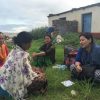
Include Indigenous People in COVID-19 Response
In Nepal the COVID-19 crisis has been especially hard on indigenous peoples. We had to learn a new vocabulary and use words like quarantine, self-isolation, hand sanitizers and social distancing.
Myanmar’s Protection Bill falls Short of Addressing Violence against Women
A legislation that aims to protect women against violence in Myanmar, while long overdue, is raising concern among human rights advocates about its inadequate definition of rape, vague definition for “consent”, and anti-lesbian, gay, bisexual, and transgender rhetoric.
COVID-19 Means Development Setbacks for Mongolia
Mongolia has recorded very few cases of COVID-19, less than 300 as on date, despite its more than 4,000 kilometre porous border with China. However, the country faces a major economic impact from the pandemic.
Fight Pandemic, Not Windmills of the Mind
With uneven progress in containing contagion, worsened by the breakdown in multilateral cooperation due to mounting US-China tensions, recovery from the Covid-19 recessions of the first half of 2020 is now expected to be more gradual than previously forecast. Pandemic response measures In the face of the Covid-19 pandemic, many governments, especially of Organization for Economic Cooperation and Development (OECD) economies, have introduced massive fiscal and monetary packages for contagion containment, relief and recovery.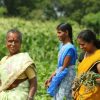
Securing Property and Land Rights in India
Secure property rights are fundamental to the economic and social development of any country. However, in India, we are faced with a curious conundrum where more than 70 percent of a household’s assets are held in land and housing, yet there is insufficient data and research on people’s property rights.
The Charter of the United Nations After 75 Years: Personal Reflections
The Charter of the United Nations is not only the constituent instrument of the United Nations as an organization. It is a multilateral legal manifesto encompassing a set of basic principles and norms aimed at ensuring peace, freedom, development, equality and human rights throughout the world. These principles and norms reflect the shared values proclaimed in the preamble on behalf of the “Peoples of the United Nations”. As such, it is the most innovative and trailblazing multilateral treaty ever concluded among States. Today, it is a universal instrument by which all States have solemnly accepted to be bound in their international relations.
COVID-19: Smarter Response & Recovery Measures Can Help Preserve Human Rights in Africa
As COVID-19 cases continue to rise in Africa, countries are simultaneously dealing with the health and socio-economic impacts of the pandemic, and how and when to ease lockdowns and curfews imposed to stop the disease spreading and get onto the path of recovery.
A Determined Path to the SDGs in 2030 Despite the COVID-19 Pandemic
As lockdowns ease in countries across Asia and the Pacific in the wake of the COVID-19 pandemic, one thing is clear—a return to business as usual is unimaginable in a region that was already off track to meet the Sustainable Development Goals (SDGs). The virtual High-Level Political Forum on Sustainable Development recently convened governments and stakeholders across the globe to focus on the imperative to build back better while keeping an eye on the Global Goals.
Gender Inequality and Oppression of Women: A Survivor’s Story
“What do you think happens to kerosene when it is poured on your head?” Surya stumbles as she speaks to IPS. “It goes down, it goes trickling down.” When someone speaks to a burn victim, one naturally feels shocked, sad, and sympathetic. But in talking to Surya, who has the major part of her body burned, the feelings were of hope and inspiration. How is it possible to survive this trauma and still have so much love and joy to share?
If UN is Working “Full Throttle” While Locked Down, Shouldn’t Most Staffers Work from Home –Permanently?
When the coronavirus pandemic delivered a mortal blow to the United States, grounding the country to a virtual standstill and throwing its economy into a deep recession, hundreds and thousands were forced to work “remotely” while offices remained shuttered, beginning late March.
Rohingya Women Take a Seat at the Table & Share Stories in a Growing Rights Movement
Rohingya women are coming together to feature their own work, plight and stories in mainstream conversations about their community — a space they say they’ve been left out of. “If we think of revolutions or liberty or think of any ways to liberate ourselves from the shackle of suffering and being dubbed as 'the most persecuted minority on earth', women have to be part of it,” Yasmin Ullah, president of the Rohingya Human Rights Network, told IPS.
How Smart Investments in Technology Can Beef up Africa’s Economy
There is no shortage of technological innovations designed to boost animal agriculture in Africa. These range from GPS tracking systems which identify and trace pastoralists’ herds to livestock vaccine SMS services that alert farmers to disease outbreaks.
Three Steps for Leaders to Tackle Covid and Climate Emergency
Dr David Nabarro is Special Envoy to the World Health Organisation on COVID-19 and Strategic Director of 4SD. He sets out his challenge to leaders to use COVID-19 as an opportunity for radical change that responds to the needs and the interests of all of humanity.- • Countries must work together
• Focus on equity
• Effective local action

Trump the Wannabe Dictator
I, like many of my fellow Americans, am extremely concerned about Trump’s dictatorial tendencies. Given his behavior – what he said and did over the past four years – he may well act on some of these tendencies, especially if he loses the election by a narrow margin.
It was Meant to Be a Ground-breaking Year for Gender Equality but COVID-19 Widened Inequalities
Sixteen-year-old Suhana Khan had just completed her grade 10 exams in March, when India imposed a nationwide COVID-19 lockdown. Since then, she has been spending her mornings and evenings doing household chores, from cooking and cleaning to fetching drinking water from the tube well.
Marking 75 Years of the Charter of the United Nations
The Charter of the United Nations has been a constant presence in my life. My awareness of it started with the usual brief introduction to the basics of the United Nations as an organization that many young people receive in school. Later, as my political awareness took shape against the backdrop of military rule in Portugal and my country’s status as a colonial power, the Charter’s calls for self-determination and other freedoms registered with urgency. During the time I spent as a volunteer in the poor neighbourhoods of Lisbon, the Charter’s vision of social justice was equally resonant. In subsequent service as a parliamentarian and then as Prime Minister, I was privileged to have an opportunity to advance not only national progress but one of the Charter’s other main objectives: international cooperation. Across a decade as High Commissioner for Refugees and now in my current role, the Charter’s power inspires me onward every day in serving “we the peoples”, including the most vulnerable members of the human family, who have a special claim on that landmark document’s provisions and protections.
Trinidad Skilfully Handles COVID-19 but Falls Short with Wildlife
Most of the countries in the Caribbean have done a great job of containing the COVID-19 pandemic, with a few notable exceptions, namely, Haiti and the Dominican Republic. A University of Oxford study highlighted Trinidad and Tobago as being among the most successful. However, management of wildlife and illegal hunting in that country remains ineffective.
Involve Marginalized Groups to Make Food Systems More Climate-Resilient
At last week’s 2020 High Level Political Forum (HLPF), UN member states discussed how to get back on track to achieve the Sustainable Development Goals (SDGs) in light of the Covid-19 pandemic. They focused on a dire need for “accelerated action and transformative pathways to realize the decade of action and delivery for sustainable development.”
As COVID-19 Cases Rise, African Countries Grapple with Safely Easing Lockdowns
Re-opening economies is a tough balancing act between keeping people safe from the virus while ensuring they can still make a living. Some four months after the first COVID-19 case in Africa was reported in Egypt, countries on the continent are beginning to ease public health and social measures, such as lockdowns and curfews, imposed to curb the spread of the pandemic.
Covid-19 Compounds Developing Country Debt Burdens
Covid-19 is expected to take a heavy human and economic toll on developing countries, not only because of contagion in the face of weak health systems, but also containment measures which have precipitated recessions, destroying and diminishing the livelihoods of many.« Previous Page — Next Page »


