Languages
Friday, November 27, 2026



News and Views from the Global South
Headlines

Fighting the World’s Largest Criminal Industry: Modern Slavery
Modern slavery and human trafficking is one of the fastest growing criminal industries and one of the biggest human rights crises today, United Nations and government officials said.
Q&A: Caribbean Losing Momentum on Climate Change and Concerted Action is Needed
In 2015, the Caribbean was “the region that could” on the climate change scene. Countries rallied under the ‘1.5 to Stay Alive’ banner, in the face of an existential threat. The now former Sustainable Development Minister of Saint Lucia Dr. James Fletcher emerged as a climate change champion at the time. But now, three years on, the scientist is giving regional climate action a C- in an assessment.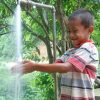
It’s Simple, but Requires Determination
I am drafting this on International Women’s Day - March 8 - with an eye towards World Water Day on March 22. On International Women’s Day we celebrate progress in gender equality. At the same time, we recognize how much remains to be done: how many women remain excluded from decision-making across many professions. Changing this is urgent. Water – clean and accessible – is getting scarcer at an alarming rate. While working to change this, we cannot afford to exclude women.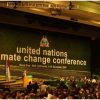
US Survey Finds Lack of Awareness on Global Warming
The U.N.’s World Water day is fast approaching as the state of the world’s consumable water supply remains dismal. Billions of people face at least the very real risk of scarcity, if they’re not facing scarcity already; and about a third of the world’s groundwater systems are in danger of becoming depleted.
Seven Challenges for US Nominee for World Bank President
All incoming World Bank presidents bring a public record of their views about the bank and about development more generally. David Malpass, who is on track to become the bank’s next president, has not been shy in criticizing the role and management of the institution he now plans to lead.
Europe under Siege: Collusions, Dugin and Bannon
EU Parliament elections take place every fifth year and votes have steadily been decreasing. In the last 2014 election, the overall turnout was 42.54 percent of those entitled to vote, in some nations it was just around fifteen percent. Nevertheless, results will not only be eagerly awaited by pro- and anti-EU activists, but also by ideologist from non-member countries. Particularily vociferous among such people are Steve Bannon, who wants to “Make America Great Again” and Aleksandr Dugin who wants to “Make Russia Great Again”.Statement by HRH Prince El Hassan bin Talal and Idriss Jazairy* following the terrorist attacks in New Zealand, March 15th 2019
Words cannot express adequately the pain and anguish we feel at the heinous attacks in New Zealand. We share the anguish of our fellow Muslims at those who have orchestrated such diabolical carnage in a place of prayer. As husbands, fathers and grandfathers, both of us can only imagine the pain and suffering felt by the families affected by this tragedy. In the weeks and months ahead, we must all stand together and raise aloft those values that must form the core of Islamic belief that we share with People of the Book– compassion, respect and dignity. If we fail in this, then terror is victorious.
Climate Strike: Hundreds of Thousands Unite for the Planet’s Future
Friday, Mar. 15 saw hundreds of thousands of young people across the world take to the streets to join the climate strike. “We are demonstrating today for our planet and for our future. This is the place where we and those who come after us will live,” Jennifer, a 16-year-old girl from Rome, the Italian capital, who opted to join the protests, told IPS.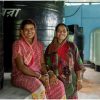
Women Take the Lead Tackling Climate Change in Bangladesh
The stakes are high for women when faced with a warming world – their livelihoods jeopardised by labour markets that tend to put men first, their family responsibilities increasing rapidly in the face of droughts and flooding, and politicians who refuse to acknowledge the challenges they face. The story of those living on the frontline of a harsher climate is simply not being heard.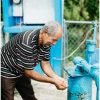
Three Takeaways from Disaster Relief in Puerto Rico
Those of us working in disaster relief know what to expect when a hurricane or earthquake strikes with devastating fury. We know that safe water, food, and shelter will be the most immediate needs for survivors. And we have a good idea of the kind of wreckage we’ll see, although we never cease to be humbled and sobered by the tragic sights.
Scholar Questions ‘Techie’ Approach to Dealing with Climate Change
Trinidad and Tobago unveiled its monitoring, reporting and verification system in mid-March with a flourish, with government authorities underscoring the launch of the Monitoring, Reporting, Verification as a milestone in that country’s efforts to reduce its emissions in line with its commitments under the 2016 Paris agreement.
Becoming Drought Resilient: Why African Farmers Must Consider Drought Tolerant Crops
The latest UN Food and Agriculture Organization’s annual Africa Regional Overview of Food Security and Nutrition Report highlighted drought as one of the key factors contributing to the continuing rise in the number of hungry people in sub-Saharan Africa. And in South Africa, the Government’s Crop Estimates Committee announced that the country would harvest 20 percent less maize in 2019 because of drought conditions.
People Affected by Leprosy in Latin America Unite for Their Rights and Their Voice
With the decision to found a regional coalition to promote rights and greater participation in national and international forums and decisions, the First Latin American and Caribbean Assembly of Organisations of People Affected by Hansen's disease, popularly known - and stigmatised - as leprosy, came to an end.
Helping St. Vincent’s Fishers Maintain an Essential Industry in a Changing Climate
 From an influx of sargassum in near-shore waters, to fish venturing further out to sea to find cooler, more oxygenated water, fishers in St. Vincent and the Grenadines are battling the vagaries of climate change. The country is doing what it can to respond.

Tobacco Industry Targets Women in Asia
International Women’s Day on 8 March recognized and celebrated the progress women are making globally. The day also acknowledged the risks, exploitation and suffering many continue to endure.
In Latin America, the Term Leprosy Still Carries a Burden from Biblical Times
Known scientifically as Hansen's disease, leprosy carries a symbolic burden from the past that people affected by the disease and experts from around Latin America are fighting, including the terminology used.
Using Climate-Smart Solutions to Promote Peace in South Sudan
Almost a month to go ahead of the traditional rainy season in Gbudue State, 430 kilometres west of South Sudan’s capital, Juba, smallholder farmers are already tilling their land as they prepare to plant purer, drought-tolerant seeds.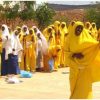
Gang Rape & Murder of 12 Year Old Somali Girl Sparks Fury
Aisha Elias Adan was abducted on the evening of February 24th at a market in Israc village, Puntland, Somalia. Her body was carelessly dumped in front of her family home the following morning. A doctor’s report showed that she had been brutally gang-raped.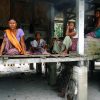
From 2018: When Environmental Crises Hit Homes, Women Suffer the Most
When Mandelena became a mother, she was only 16. During the prolonged dry season in Gwor County, South Sudan, her community saw crops failing and cattle dying. Children stopped going to school because of hunger and women and girls had to walk up to five hours every day to collect water.
Syrian Crisis Enters Ninth Year with 11 Million Refugees Overseas & 6 Million Home
The bell rings and the halls erupt with the sounds of chatter and excitement as hundreds of children run to the dusty courtyard for recess. I joined them to play football but the game instead turned into a round of questions.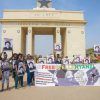
Free Stella Nyanzi, Demand Pan African Activists in Ghana
On Saturday 9th March, a small group of activists from Ghana, concerned by the continued incarceration of Ugandan feminist activist Dr Stella Nyanzi, rallied by the symbolic national independence Square to raise awareness on the dangers of remaining quiet to injustice.« Previous Page — Next Page »


