Languages
Thursday, November 12, 2026



News and Views from the Global South
Labour
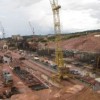
BRAZIL: Megaprojects Revive Class Struggle
The rage was proportional to the size of the crowd cornered between the jungle and the wall that will dam up the Madeira River in northwest Brazil. Over the space of three days, workers set fire to some 50 buses and other vehicles, work installations and even their own lodgings, which were built to house 16,000 people.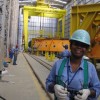
BRAZIL: Women Break Down Barriers in Heavy Construction
They represent just seven percent of the workers building the Santo Antonio hydroelectric dam on the Madeira River, which cuts across the Amazon jungle in northwest Brazil. But the women workers total 1,200, and many of them have had to break down barriers to jobs seen as the preserve of men.
DOMINICAN REPUBLIC: Model Factory Enshrines Workers’ Rights
Two years ago, Knights Apparel, based in the U.S. state of South Carolina, decided to lead the race to the top by opening a factory that not only paid its employees a living wage but guaranteed their rights to a union.
SIERRA LEONE: First Fruit Juice Company Adding Value to Farming
Crate loads of lush ripe mangos are stacked up, a sweet fragrance filling the air. Factory workers wait for their instructions, decked out in protective coats, rubber boots and hairnets. As they see each other kitted out for the first time, they break into giggles. This is a big week for Sierra Leone as its first fruit- processing plant goes into production.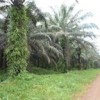
AFRICA: Development Agencies Support Harmful Oil Palm Production
Increasing industrial production of oil palm in sub-Saharan African countries, carried out by foreign corporations, is destroying the livelihoods of thousands of Africans and the biodiversity of ecosystems. Despite this, industrialised countries’ governments and development agencies continue to promote such production.
DEVELOPMENT: Plotting a World Without LDCs
Malawi's gross domestic product has grown by more than six percent in each year since 2005. The country's most recent Welfare Monitoring Survey finds unemployment stands at just one percent. At a glance, Malawi makes being a landlocked, least developed country almost desirable.
INDIA: Smuggling Everything From Cough Syrup to Sex
Sakina Bibi is a sex worker in the red light area of Kalabagan in Murshidabad, a border district in the eastern Indian state of West Bengal where everything from cattle to electronic goods, from rice and sugar to cough syrup, and women, are being smuggled.ARGENTINA: Targeting Teens in Prevention of Gender Violence
"If I had only known that when I was young," or "if they had only told me" are just some of the statements made by many women who seek assistance at the centre for victims of gender violence set up by the local government in a town on the outskirts of the Argentine capital.CENTRAL AMERICA: Boosting Small Enterprise to Fight Poverty
Small and medium-sized companies in Central America are the targets of foreign development aid programmes aimed at fighting the region's high poverty levels.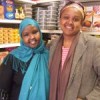
Somali Women Entrepreneurs Carve a Niche in Boston
Deeqo Jibril is always on the go. Whether she is tending to her four children or teaching breast cancer awareness classes to women in her community, the Somali-born community organiser is always up for a new challenge.
ENVIRONMENT-CHILE: Fishing Villages Turn to Int’l Justice in Fight Against Waste Duct
Fisherfolk and indigenous people in southern Chile have petitioned the Inter-American Commission on Human Rights in their 15-year conflict with Celulosa Arauco y Constitución (CELCO), a paper pulp company which plans to dump toxic waste in the ocean, and with the Chilean state for alleged human rights violations.AFRICA: Coalition Against the High Cost of Living
In Burkina Faso, Niger, Kenya, Uganda: governments are worried by soaring prices - and by newly confident and enraged civil society. Governments are being challenged to take decisive action, despite lacking the tools to address rising global oil prices. Their responses could have important consequences for their legitimacy and survival.CUBA: Professionals Awaiting their Chance
Cuba’s opening to private enterprise still leaves out many professionals who have yet to find a way to use their skills and potential in non-state industries, although they have not lost hope that the rules of the game will change.
SRI LANKA: War Long Over, Media Still Muzzled
It has been two years since the end of Sri Lanka’s decades long war, and life in general has begun to slowly edge back towards normalcy here. Not so for the country’s besieged media community, according to observers and journalists alike - reporting still feels hemmed in and muzzled, they say.PAKISTAN: Vaccinators Get a Shot in the Arm
The questions came like something from a medical student’s exam: What is routine immunisation? When should a vaccine be destroyed? What is the best temperature for storing a vaccine? At which angle should the needle be held while administering a pentavalent vaccine? And which five diseases does a pentavalent vaccine prevent?
PAKISTAN: Health Workers Without Maternity Leave
Shazia Kiran is seven months pregnant with her third child and worried she might be unable to juggle her work and the responsibilities of caring for a newborn. But what worries her more is that she has no maternity benefits, and she has not received her salary as a Lady Health Worker (LHW) for the last three months.BALKANS: Cornered Hopelessly at Work
Katka Ceh has been selling vegetables at Pancevo’s open-air market since losing her job as a pre-school teacher in the nearby village of Kovacica more than a year ago.
BOLIVIA: The Boomerang Effect for Morales
It wasn't easy to get to the Bolivian city of Riberalta from Brazil. The adventurous journey included potholes on the Brazilian highway, a rickety boat that ferried us across the Mamoré - the border river - and an unnerving ride on a motorcycle taxi. But the biggest complication was the roadblocks.BURKINA FASO: Training Gives Domestics Hope of Escaping Their Lot
Emeline Djigma, a twenty-year-old domestic worker, is preparing for the entrance exam to the National Teachers' College this year. She hopes she'll make it, having finally obtained her secondary school certificate thanks to five years of evening classes.
EAST AFRICA: Women Breaking Through Trade Barriers
For 12 years now, the women around Tsangano in Malawi’s southern district of Ntcheu have put together their tomato harvest, selling some 20 tons at the outdoor markets that abound in Lilongwe, the capital. But they have very little to show for their hard work.ZAMBIA: High-Tech Border Post Transforming Trade
A few weeks ago, a truck driver got the shock of his life when his employer called from South Africa asking why he had siphoned fuel from his vehicle while awaiting clearance at the Kasumbalesa Border Post between Zambia and the Democratic Republic of Congo.« Previous Page — Next Page »


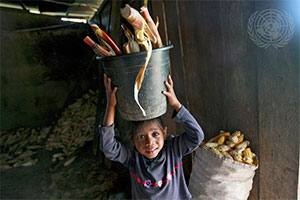 Timorese Girl with Fresh-Picked Corn. Credit: UN Photo/Martine Perret
A global common denominator is the need for a decent job. The economic realities of each country determine just how difficult it is to find one. Despite the labour movement's achievements, serious challenges persist: gender discrimination, child labour, worker migration, the digital divide and AI automation, evaporating pensions, unsafe workplaces, corporate pressure against union organising, negative impacts of trade agreements, and the precariousness of informal employment. The 2025 UN SDG Report identifies jobs and social protections as one of the six priority areas requiring urgent action, with progress either stalled or reversing in many developing nations.
In recent years, the fight to protect labour equality has taken on new dimensions with the rise of Environmental, Social and Governance standards. With the Social aspect aiming to promote equality and human rights, ESG principles have strengthened labour advocacy within corporate and governmental regulatory landscapes. In particular, ESG has become much more institutionalized in emerging economies such as Brazil and China. IPS follows the world’s workers as they confront these challenges - their setbacks and their successes.

The Week with IPS

NEXT STOP - SDGs
Tracking global progress towards a sustainable world
Tracking global progress towards a sustainable world
