Languages
Friday, July 24, 2026



News and Views from the Global South
Human Rights
When an Ally Becomes a Liability
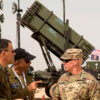
For a generation, no foreign leader bet more heavily on a single American president than Benjamin Netanyahu bet on Donald Trump. Trump moved the US embassy to Jerusalem, tore up the 2015 nuclear accord with Iran, recognized Israeli sovereignty over the Golan Heights, and in February 2026 joined Israel in the opening strikes of a war against Iran that Netanyahu had spent three decades urging Washington to wage.
Respect Strength, Question Power: Reflections from the 2026 Digital Rights Asia-Pacific Assembly
"To respect strength, never power" is one of my favorite quotes from the acclaimed writer and activist, Arundhati Roy. For years, this quote has stayed with me. It encourages a way of life grounded in compassion rather than dominance.
U.S. Aid Withdrawal for HIV ‘Devastating’
A U.S. decision to cut off funding for HIV projects in South Africa has been condemned amid warnings it could be “catastrophic” for efforts to control the disease in the country.
Why Cities Are the Starting Point for Tackling the Global Cancer Crisis
Anyone whose life has been touched by cancer knows that care is highly complex. From first symptoms through diagnosis and treatment, patients may need multiple diagnostic tests, combinations of surgery, systemic therapy and radiotherapy, and input from several specialists, alongside support services such as financial counselling, psychological support and palliative care.
MEXICO: ‘The World Cup Is an Opportunity to Raise Global Awareness of the Crisis of Enforced Disappearances’
CIVICUS discusses Mexico’s enforced disappearance crisis with Angélica Orozco, a member of Fuerzas Unidas por Nuestros Desaparecidos en Nuevo León (FUNDENL), a collective of relatives of disappeared people and people who support them. Since 2012, FUNDENL has been searching for the disappeared and documenting the human rights crisis.
Understanding an Interconnected World
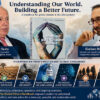
When Roberto Savio begins talking about The Global Citizen Handbook, he does not begin with the book itself. He begins with today’s young people.
Middle East Conflict Fallout Pushes Countries toward US$1 Trillion Fossil Fuel Subsidy Bill, warns UN Development Programme
Developing countries’ efforts to tackle the ongoing effects of conflict in the Middle East carry a high price that leaves little room for critical investments in education, health and other development priorities, according to a new report by the UN Development Programme (UNDP) released today.
UN Peacebuilding Week: Military Expenditure Soars as Funding for Civilian Protection and Prevention Collapses
From June 22 to 26, the United Nations (UN) commemorated its first annual Peacebuilding Week, marking the 20th anniversary of the UN Peacebuilding Commission’s inaugural session. Featuring discussions among world leaders, policymakers, civil society, and advocates, the event explored how collaboration among governments, international organizations, and the private sector can enhance the visibility and effectiveness of peacebuilding efforts worldwide.
Tunisia: Civil Society Criminalised
In May, Tunisian lawyer and journalist Sonia Dahmani was handed her second conviction of the year. Her latest sentence, a two-year jail term, came in reaction to her criticism of poor prison conditions. She previously received an 18-month sentence for calling out the government’s anti-migrant policies. Dahmani faces five more charges under a 2022 cybercrime law that criminalises the spreading of what it calls ‘false information’.
US Slams Israel for Undermining Peace Negotiations with Iran –but Rift is Dismissed as a Passing Show
The on-again, off-again US-Iran peace negotiations, which have been disparaged by Israeli leaders, have resulted in a rare rift between the US and Israel, a Middle East ally which has had America’s unwavering “iron clad” support since its creation in 1948.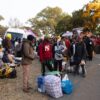
Xenophobia Won’t Bring Wealth – Only Misery – To South Africans Too
Usually, the fiesta to celebrate St Antony at the church with the same name in Crown Mines, Johannesburg, is a lively affair. The church is usually packed with congregants from the Portuguese community, including recent migrants from Mozambique and Angola.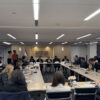
Building Peace Infrastructures: African Leaders Reflect on Peacebuilding
As the United Nations held its first-ever Peacebuilding Week (June 22-26), UN officials and developmental partners gathered at Egypt's Permanent Mission on June 23 to hold a dialogue on the main question that emerged from the 2025 Peacebuilding Architecture Review (PBAR): “How can global commitments to peacebuilding translate into tangible results on the ground?”
My Journey Through 50 Years of Seychelles’ Independence
On the night of 29 June 1976, just before midnight, I stood among my fellow Seychellois at the heart of a moment that would change our history forever.
GHANA: ‘This Is Bigger than Lgbtqi+ Rights – It’s about the Kind of Society We Want to Be’
CIVICUS discusses Ghana’s anti-LGBTQI+ law with Leila Lariba, Executive Director of One Love Sisters Ghana, a community-driven organisation that advances human rights, social inclusion and wellbeing for Muslim LGBTQI+ people in Ghana.
Cuba’s Last Hand
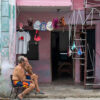
Ever since the Berlin Wall fell 37 years ago and the communist Eastern Bloc collapsed, Cuba has been debating economic reforms to its socialist system. Essentially, the discussion always revolves around the same issues: less state planning, more personal responsibility. In other words, a strong dose of capitalism as an antidote to inefficient and corrupt state bureaucracy.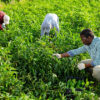
The Silent Metamorphosis
There is a question that is never asked plainly enough in reports on Haiti: why, despite decades of analysis, billions in international aid, and an abundance of national strategies, does the potential of Haitian youth remain so consistently underutilized? This report, The Silent Transformation, is an attempt at an honest answer.
AI Will Destabilize Jobs, the Middle Class and the Welfare State Unless We Act in Time
Artificial intelligence (AI) promises remarkable gains in productivity, science, medicine and education. But it is also poised to wipe out millions of jobs, hollow out the middle class, and drain the tax revenues that pay for hospitals, schools and pensions. The process has already begun, and the time to act is running out.
War, Heatwaves and Energy Shocks Fuel Push for Clean Energy
The 30 COP gatherings may not have done what three months of US-Israeli war against Iran did: expose the world's vulnerability to fossil fuels.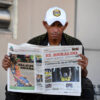
Colombia’s next President: A Reckoning for Peace, Climate and Human Rights
On 21 June Colombians made their choice. By the narrowest of margins, Abelardo de la Espriella, a far-right criminal lawyer who’s never held elected office, became president-elect. Climate activists, human rights defenders, Indigenous communities and peace advocates have the most to lose from the incoming government’s agenda.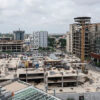
Aid Is Falling Fast. What Can African Countries Do?
For decades, official development assistance has been a central pillar of financing in sub-Saharan Africa. That pillar is now weakening—quickly and broadly.
In a Post-Aid World, Investing in Sustainable Livestock Farming Is an Investment in Global Stability
Smallholder farmers in Africa and Asia are likely to still be reeling from the fuel and fertilizer crisis caused by conflict in the Middle East when what forecasters expect to be a “super” El Niño arrives later this year.« Previous Page — Next Page »


One world, one humanity, now one court to defend its rights. Another step towards universal human rights, but not remotely a step far enough. The United Nations adopted the Universal Declaration of Human Rights more than half a century ago, but that has done little to stop violations the world over, just as the Geneva Convention has not protected prisoners of war enough. Democracy itself and the freedom it presupposes has not been protective enough. This is the century to move from politicisation of human rights towards humanising political ways. IPS keeps an eye on that difficult path.

The Week with IPS

NEXT STOP - SDGs
Tracking global progress towards a sustainable world
Tracking global progress towards a sustainable world
