Languages
Thursday, October 15, 2026



News and Views from the Global South
Poverty & SDGs

Three Ways to End Gender-based Violence
How are the multiple shocks and crises the world is facing changing how we respond to gender-based violence? Almost three years after the COVID-19 pandemic triggered high levels of violence against women and girls, the recent Sexual Violence Research Initiative Forum 2022 (SVRI) shed some light on the best ways forward.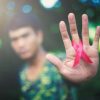
HIV Prevention: New Injection Could Boost the Fight, But Some Hurdles Remain
While the world has focused on the COVID pandemic for nearly three years, less and less attention is being paid to HIV. However, HIV is still a global problem. In 2021, according to the United Nations, 38.4 million people were living with HIV, over 650,000 died from AIDS-related illnesses, and 1.5 million became newly infected.
AGRA Gets Make-Up, Not Make-Over
Despite its dismal record, the Gates Foundation-sponsored Alliance for a Green Revolution in Africa (AGRA) announced a new five-year strategy in September after rebranding itself by dropping ‘Green Revolution’ from its name.
Black ‘Fraud-Days’ and the Shocking Cost of Staying Fashionable
Please take a quick look at this short report before rushing to shop on a Black Friday, Christmas sales and all those long chains of big discounts and wholesales, most of them are fake, as often denounced by consumers organisations that report that the business usually inflates prices before launching such deals.
Was COP27 a Success or a Failure?
It’s finally over. After the anticipation and build-up to COP27, the biggest climate meeting of the year is now in our rear-view mirror. The crowds of delegates that thronged the Sharm el-Sheikh international convention center for two long weeks have all headed home to recover. Many will be fatigued from long hours and sleepless nights as negotiators tried to seal a deal that would move the world forwards. Did all this hard work pay off? In our opinion, COP 27 was both better and worse than we’d hoped.
Crimes Against Children
An indisputable truth is that no child has ever chosen where to be born, which colour of skin to have, which ethnic community to belong to, what religion to practice and language to speak, or how safe or dangerous the context to grow up in. A child is the most innocent and defenceless human being.
A Looming Debt Crisis is Threatening Global Health Security. It is time to Drop the Debt
In this moment of profound challenge in international relations, it was understandable that the conclusion of the G20 meeting left leaders feeling relieved that the meeting took place without a breakdown. Leaders were justifiably proud too of important steps forward they made including the launch of the new pandemics fund.
G20 Summit, a Missed Opportunity to Tackle Global Cost of Living Crisis
G20 leaders met in Indonesia in the midst of multiple crises, with 85 percent of the world population expected to face austerity measures and severe budget cuts next year that will impact the most vulnerable compounded by an insufficient response to the Covid-19 pandemic, with only 38 percent of relief funds going to social protection in global South countries.
Don’t Be Fooled: Climate Disasters Are Highly Lucrative
As much as wars --or even more--, climate disaster represents a great business opportunity, so don't bother those who pour their fortunes into fueling them with talks about stopping it.
The Innovation Imperative for Small States
Small states take the path less travelled. They face challenges unfamiliar to many: scarce resources, smaller economies and the real impact of climate change.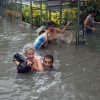
COP27: Show Me the Money–Supported by Policy
Climate change is an existential threat to humans and our ability to thrive on a healthy planet. But when it comes to rising temperatures, the inability of humankind to slow emissions and limit warming to 1.5 degrees Celsius isn’t because we lack knowledge or need new technologies.
As the World’s Population Hits 8 Billion People, UN Calls for Solidarity in Advancing Sustainable Development for All
The global population is projected to reach 8 billion on 15 November 2022, signalling major improvements in public health that have lowered the risk of dying and increased life expectancy. But the moment is also a clarion call for humanity to look beyond the numbers and meet its shared responsibility to protect people and the planet, starting with the most vulnerable.
Leaders Told To Put ‘Kids First’ at COP27
Lea is a three-year-old from Mexico who loves ladybirds. Siddhiksha, a six-year-old from India, has a passion for trees and wild animals. Rachelle is a 12-year-old Tanzanian who is wise beyond her years. They are smart and adorable and they are among the stars of a short film that is aiming to remind the leaders taking part in the COP27 UN Climate Conference that they have a duty of care towards young and future generations.
In Praise of Toilets
For those who have it, a toilet is that ‘thing’ in the bathroom, next to the bidet, the hand-washing sink with hot and cold water faucets, and the bathtub.
Former War Zones in El Salvador Obtain Water with the Help of the Sun – VIDEO
 Several community-run water projects powered by solar energy have improved the quality of life of thousands of rural families in areas that were the scene of heavy fighting during El Salvador's civil war in the 1980s.
Market Lords, Much More than a War, Behind World’s Food Crisis
While grain exports continue to regularly flow to world's markets since the July 2022 Turkey-brokered agreement between Russia and Ukraine to resume cereals and fertilisers shipments from both countries, food prices are still skyrocketing everywhere. How come?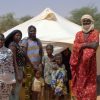
President Biden is Hosting a Summit of African Leaders – Governance in the Sahel Must Be a Priority
The upcoming Africa Leaders’ Summit- slated to take place in Washington, DC in December- is well-timed. The Biden administration has made a welcome and significant push over the past two years to support democracy, anti-corruption and peace-building around the world- and in Africa in particular.
Education Cannot Wait Interviews Theirworld President Justin van Fleet
Justin van Fleet, Ph.D, is President of Theirworld and Executive Director of the Global Business Coalition for Education. Justin previously served as the Director of the International Commission on Financing Global Education Opportunity and Chief of Staff to the United Nations Special Envoy for Global Education and prior to that as a Fellow at the Brookings Institution’s Center for Universal Education.
A World of 8 Billion: Population Growth Will Continue But it’s Slowing Down
Global population is about to reach 8 billion, a mere 11 years after it reached 7 billion. The official Day of 8 Billion is observed by the UN November 15, though it's hard to pinpoint exactly when we pass the actual milestone.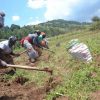
Climate Finance for Locally-Led Climate Solutions Needs a New Focus
Imagine a world where the people hit hardest by climate crisis have a say in how to stop it. Imagine that youth, Indigenous Peoples, women, and others most affected by global warming have the resources to implement their own climate solutions. Solutions that are highly effective because they meet local needs, suit the local context, and create sustainable economic opportunities for local people. This world would be one where people have a much better chance of surviving, and even thriving, despite the massive upheavals of the climate crisis.
Energy: Why Africa Must Be Part of Nuclear Energy Appetite
The search for energy diversification has taken a more frantic pace amidst the global energy transition debate.« Previous Page — Next Page »





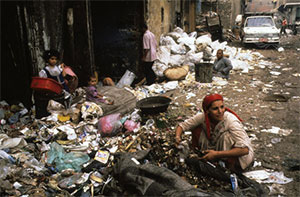 Romani people in Cairo, Egypt, forage through trash. Credit: UN Photo/Armineh Johannes
In 2015, the United Nations adopted the Sustainable Development Goals (SDGs) in an effort to promote “peace and prosperity for people and the planet.” To achieve that goal, it is essential to provide equal opportunities and access to basic services to all people. The 2025 UN SDG Report found that 35% of the 169 SDG targets are on track or making moderate progress, while 18% have reversed compared to the 2025 baseline. One in ten people still live in extreme poverty, one in eleven experience food insecurity, and over 1.1 billion people live in slums without access to clean water and sanitation. It is imperative to acknowledge the societal, technological, economic, and political issues that sustain poverty in countries around the world. Eradicating poverty will require significant frameworks in policy and governance on a national and international scale to ensure that all people will have equal access to basic services and economic opportunities by 2030. Furthermore, a dramatic reduction of United States foreign aid in 2025, including the termination of 83% of USAID programmes, threatens to erode years of fragile development gains.
Throughout the world, violent conflict and natural disasters also contribute to extreme poverty. The complete destruction of infrastructure and blockage of aid has significantly impoverished Palestine since October 7th. The destructive impact of Hurricane Maria in Puerto Rico left $91 billion in damage. An inadequate US government response also revealed significant and enduring questions within the issue of mitigating poverty: how do we rebuild infrastructure after its destruction? How do we restimulate economic development and bring in financial aid after disasters? Similar questions have been raised in the realm of regional cooperation, as devastating floods have wrecked hundreds of thousands of homes across multiple Southeast Asian nations in the past few years. Furthermore, the COVID-19 pandemic has greatly exacerbated the global poverty crisis, particularly in developing countries, setting back the United Nations goal of eradicating poverty by 2030.
IPS is committed to providing comprehensive features that focus on the persisting environmental, sociopolitical, and systemic issues that sustain poverty, and the steps taken worldwide towards poverty eradication.

The Week with IPS

NEXT STOP - SDGs
Tracking global progress towards a sustainable world
Tracking global progress towards a sustainable world

