Languages
Wednesday, October 7, 2026



News and Views from the Global South
Press Freedom
EGYPT: Cyber Insurgency Rattles Regime
Egyptian cyber-dissidents are becoming increasing vocal in their online criticism of President Hosni Mubarak's regime, utilising a widening repertoire of Internet networking and publishing tools to expose government abuses.MEDIA-ZIMBABWE: Promises But Little Action on Press Freedom
While journalists welcomed a pledge by the government to reform the country’s closed media space, fears run deep over a horde of laws that continue to make Zimbabwe a media minefield where a ‘wrong’ story can land a journalist behind bars.EAST TIMOR: Journalists Hold Out For Better Media Laws
Journalists in East Timor are anxiously waiting for a set of media laws to be revised after a negative reaction to a draft that was circulated in March.
BOTSWANA: Deep Divisions Remain Over Media Law
While the international theme for World Press Freedom Day was "Fostering Dialogue, Mutual Understanding and Reconciliation", the Botswana government and the media seemed to take the opposite route - taking turns to snub each other’s calls for dialogue.MIDEAST: Who Does Not Target the Media
Palestinian journalists in the West Bank and the Gaza Strip continue to be arrested and harassed by the respective security forces of the divided Palestinian leadership. And from Israel, a belated freedom has come to cover Gaza, but amidst other concerns.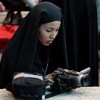
RIGHTS: Iran Releases Journalist in Politicised Case
The release Monday of Iranian-American journalist Roxana Saberi from Tehran’s Evin Prison has been greeted with relief and concern by international human rights and press freedom groups.RIGHTS-ZIMBABWE: Journalists Spurn Govt Summit on Press Freedom
Media organisations this week dug in their heels over boycotting a national media conference in the resort town of Kariba. State-owned media reported that the much-postponed conference finally opened on May 8, with information minister Webster Shamu lamenting the deep divisions within the media fraternity in Zimbabwe.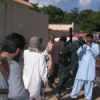
PAKISTAN: Media in the Taliban’s Crosshairs
Till two months back, Shireen Zada of the private television channel Express News would carry a pistol whenever he covered the news in the restive Swat Valley in Pakistan’s North West Frontier Province (NWFP).RIGHTS-IRAN: Damaging Forced Confessions
Iranian political refugees living in India say there is an all too familiar ring about the supposed confessions of arrested journalist Roxana Saberi, which they expect to see footage of on television soon.
Q&A: Average Marks for East African Press Freedom
Four years ago, a furious Lucy Kibaki, Kenya's First Lady, marked World Press Freedom Day by storming the offices of leading independent publisher the Nation Group with her entourage."CHILE: Transparency Law Opens Access to Information
The Law on Transparency and Access to Public Information came into force in Chile on Monday. Although experts say there is room for improvement, and they foresee some difficulties in its implementation, they do not hesitate to describe it as a useful step forward.
RIGHTS-IRAN: Intl Support Mounts for Jailed Journalist
Since Iranian-American journalist Roxana Saberi was sentenced to eight years in prison last week on the charge of spying for foreign governments, human rights and press freedom groups have become increasingly critical of the political nature of her case and the harsh and unprecedented penalty.THAILAND: With Censorship, Thais Turn to Websites and Foreign Media
When the Thai government imposed an emergency law cracking down on rampaging red-shirted protesters on the streets of Bangkok, the military, in combat gear, was not its only weapon. The state’s censors were given liberty to silence critical media.RIGHTS: Ivory Tower Not Always a Safe Haven
Universities are places for teaching, studying and learning, but for a prominent scholar in Belarus, researching and publishing on topics that the government considered unpopular led to a progression of abuse that began with being snubbed by academic conferences and isolated at the university and ended with his termination and even death threats.RIGHTS: Czech Govt Chokes Media
Czech media groups have warned that investigative journalism is under threat after what they described as "draconian" legislation on reporting came into effect.FIJI: ‘Returning’ Military Leader Gags Media
Fiji is maintaining an uneasy calm days after its president abrogated the constitution, promulgated emergency regulations, and reinstated the 2006 coup leader, Commodore Frank Bainimarama, as interim prime minister.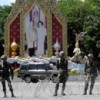
POLITICS: Thailand Marks New Year with Bullets, Troops Clash with Protesters
Water fights and neon-coloured water guns are a standard feature on Bangkok’s streets at this time of the year. They are part of the revelry as Thais douse each other during their New Year festival, Songkran.
ROMANIA: Media Spotlight on Domestic Violence
Campaigners in Romania have very effectively used the media to break the public silence around the issue of domestic violence against women, and lobby for changes in laws.MEDIA-THAILAND: Blogger Gets 10 Years for Insulting Thai Monarchy
Suwicha Thakhor's nightmare in a Thai jail is set to continue after a court delivered a harsh verdict this week that contained a unequivocal message - the Internet in this country is being policed with the aim of limiting free expression.ZAMBIA: Media Resists Calls for State Regulation
After almost a decade of fighting for self-regulation, the Zambian media may finally have its wishes entrenched with constitutional protection.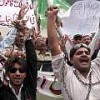
MEDIA-PAKISTAN: Pondering Risks Covering Conflict, Crime, Corruption
The main issue before the Pakistan Federal Union of Journalists (PFUJ) meeting over the weekend in the central Punjab city of Faisalabad is the threat faced by journalists in this conflict-ridden South Asian country.« Previous Page — Next Page »





Journalism is dangerous work. Dozens of reporters and other media workers are killed in the line of duty each year. Hundreds more face threats, intimidation, and harassment as they risk their lives to let us know what is going on in war zones and as they root out corruption. In the Information Age, the Internet provides us with new ways to disseminate the news even as it poses new threats to press freedoms.


IPS Director General Farhana Haque Rahman was invited by UNESCO as a panelist at the World Press Freedom Day 2017 gathering in Jakarta, in the Plenary Session: Quality journalism: a public good for just, peaceful and inclusive societies.

The Week with IPS

NEXT STOP - SDGs
Tracking global progress towards a sustainable world
Tracking global progress towards a sustainable world
