Languages
Monday, October 26, 2026



News and Views from the Global South
Sustainable Development Goals
FAO and the Global South: Advancing Agrifood Transformation through South-South and Triangular Cooperation
The world’s agrifood systems are under mounting pressure from economic uncertainty, climate change and persistent inequalities. Farmers, rural communities and the most vulnerable are bearing the heaviest burden. We must act faster and scale practical, proven solutions.
What 1.5°C Overshoot Means for Small Islands
The world is now expected to breach the 1.5 degrees Celsius warming limit that small island states have spent years defending as a threshold for survival.
UNGA 81: A United Nations at a Turning Point
The 81st session of the UN General Assembly (UNGA81) opens tomorrow at a particularly important moment for multilateralism. The UN80 reform initiative has entered what the Secretary-General describes as a decisive phase. Member States are selecting the next Secretary-General. The 2030 Agenda is entering its final four years, while conversations about what should follow it are beginning.
Nuclear Victims’ Experiences Must Be at the Heart of Global Efforts for Assistance and Remediation
More and more, global disarmament discussions are encompassing the humanitarian and environmental impacts of the testing and use of nuclear weapons, as it becomes clear that the legacy of nuclear weapons leaves its mark on multiple generations.
Africa’s Rangelands Are the Frontline of Resilience – COP17 Showed Why
Across the Kenya-Tanzania rangelands, communities have long understood a reality that the global community is increasingly recognising: healthy rangelands support livelihoods, wildlife, water resources and local economies. They are among Africa's most important natural assets and a foundation for resilience in a changing climate.
Nepalese Experts, Victims Contemplate the Future After the Flood
That day, Subash Tamang was mining sand along the banks of the Trishuli River near the Trishuli Hydropower Project, working alongside his wife, brother, sister-in-law, and two other family members. Suddenly, he noticed water gushing down from above the hydropower site. His first thought was that the dam had burst.
Strengthen Africa’s Seed Systems as El Niño Threat Becomes Reality Again
As climate disasters frequent across the African continent, governments have been promoting climate-smart innovations, including the development of drought-resistant crops.
Families in Desperate Search for Victims of the ‘Himalayan Tsunami’ in Nepal
On Sunday afternoon, Mingma Tamang, 29, rushed into the TU Teaching Hospital’s emergency ward, where a rescue team had just brought in an injured person in the Rasuwa flash flood – but she soon left grim-faced.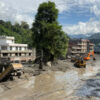
Deadly Flash Floods in Nepal Kill Hundreds and Leave Over 4,200 Missing
On the morning of August 26, an unprecedented series of flash floods struck Nepal and the Tibet Autonomous Region of China, causing immense destruction, killing hundreds of civilians and leaving thousands missing. Entire neighborhoods have been buried underwater and beneath mud as the Nepalese government and humanitarian organizations rush to provide emergency assistance.
Africa’s Pastoralists Need More Than COP17’s $1.2 billion Rangelands Pledge
When the rains fail across Tanzania’s northern Maasai Steppe, herders drive their cattle farther in search of pasture and water.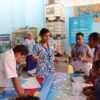
Beyond the Horizon: Raising a Generation to Protect the Blue Pacific
For generations, Pacific children have grown up with the ocean as part of everyday life. It is where families fish, where stories are passed down, where livelihoods begin and where cultures are rooted.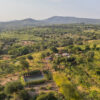
Grand Planetary Challenges Need a Grand Coalition to Solve Them
Several coalitions exist today to defend the territories in which people live and work. Global leaders have long understood the importance of shared responsibility for collective security and have invested significant time in establishing networks, partnerships and alliances. In 2025, global spending on defense reached a record $2.9 trillion.
South Africa’s Anti-Immigrant Violence Slows SDG Goals, Rips Apart Africans’ Free Movement Call
When the Malawian government announced the conclusion of the repatriation of its citizens trapped in anti-immigrant violence against foreign Africans in South Africa on August 12, 2026, it had brought home 56,723 nationals, according to data from the Department of Disaster Management Affairs.
GEF Proposes $140 Million Program to Strengthen Drought Resilience
For pastoralists in Arvaikheer — a village in Mongolia’s dry central plains — rain can determine whether there is enough grass for cattle to roam, whether waterholes are replenished and whether families make it through another dry season. But as climate change makes rainfall increasingly unpredictable, even a wet season may no longer provide water and pasture needed to sustain people and livestock.
New Emergency Care Skills Help Tanzania’s Frontline Doctors Save Lives
The 14-year-old girl arrived at the hospital fighting for her life. After a tragic hit-and-run car accident, she was rushed into the emergency department with serious abdominal injuries. Every passing minute brought her closer to death.
How the Taliban Hunt Women in Afghanistan
FIVE years after the Taliban returned to power, Fawzia Koofi, the former Deputy Speaker of the Afghan Parliament, denounces what she describes as “gender apartheid.”
Indigenous Peoples Call for Meaningful Influence in Climate Discussions — Nia Tero
Indigenous communities have long advocated for the environment through the lens of their traditional knowledge systems and cultures. But much more work needs to be done to translate their presence into influence.
Nairobi Biodiversity Talks Set the Stage for Key COP17 Decisions
Despite record participation in global biodiversity reporting and planning processes, countries remain off track to meet the world's 2030 biodiversity goals, according to discussions that concluded this month at two key meetings under the Convention on Biological Diversity (CBD).
As Mongolia Hosts COP17, Pastoralists Demand Space to Move, Survive and Restore
After moving more than 6,000 km across Eurasia, the Silk Road Caravan has reached Mongolia with stories from pastoralists whose livelihoods are increasingly threatened by drought, degraded land and shrinking access to grazing areas.
African Rights Advocates Coordinate Response to Family Law Backlash
Women's rights advocates, judges and lawyers have launched a coordinated campaign to reform family laws that discriminate against women and girls in Africa.
Malawi Bets on Battery Storage to Climate-Proof Its Fragile Power Grid
For years, Malawi's electricity supply has been at the mercy of droughts, floods and cyclones that have repeatedly exposed the vulnerability of a power system heavily dependent on hydropower.« Previous Page — Next Page »





The Week with IPS

NEXT STOP - SDGs
Tracking global progress towards a sustainable world
Tracking global progress towards a sustainable world
