Languages
Monday, November 23, 2026



News and Views from the Global South
Women & Economy
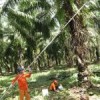
BRAZIL: Small-scale Palm Oil Production Is Women’s Work Too
"This isn't women's work," they told her. But Benedita Nascimento is now one of the most outstanding success stories of a family farming programme involving palm oil production in Brazil's eastern Amazon jungle.
HAITI: Scraping by on Mud Cookies
At six in the morning in Cite Soleil, the poorest zone of Haiti's capital city, the sun is already up. It's the start of another workday for Lurene Jeanti, making cookies from mud, butter and salt. She's been mixing the ingredients on the side of the road to sell to her neighbours for the past eight years.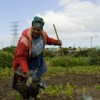
SOUTH AFRICA: Climate Change Policy Ignores Women Farmers
When asked if they have already felt the effects of climate change, Mary-Anne Zimri and Katrina Scheepers eagerly nod their heads. The two small-scale farmers say lack of rain this winter has foiled their planting season, ruined their harvest – and drastically slashed their income.HEALTH: S. Africa Becomes a Victim of its ARV Treatment Success
Almost a million South Africans are already on lifelong antiretroviral (ARV) treatment and this number is supposed to triple in the next decade if the South African government keeps to its implementation plan.
Burkinabe Women’s Economic Empowerment Key to Girls’ Education
An initiative to keep girls in school by supporting income-generating activities for their mothers is bearing fruit in Burkina Faso, where poverty and cultural values still deprive many girls of an education.
Q&A: “We Must Move from a Masculine to a Feminine Economy”
It is necessary to move from a "masculine" economy based on competition and a win-lose mentality to a "feminine" win-win economy based on the concept of collaboration, says writer Rose Marie Muraro, one of the pioneers of Brazil's feminist movement.
SOUTHERN AFRICA: Women Traders “Blocked” From the “Big Business”
"Africans do not believe women can do big business," fumes Zambian trader Angelica Rumsey.KENYA: Medical Smart Card Extended to Maternal Care
Kenyans can now save towards the cost of childbirth at the country's largest maternal hospital thanks to a medical smart card system.ARGENTINA: The Gender Roots of Labour Inequality
Inequality and poverty in Argentina are explained to a large extent by a job market that discriminates against women, coupled with insufficient equal opportunity regulations and failure to enforce existing labour laws, experts on the issue told IPS.
Familiar Pledges on Child and Maternal Health in Africa
During the three-day summit of African Union heads of state, roughly 37,000 children and 2,000 women died across Africa, mostly from preventable causes, says a civil society coalition for child and maternal health. The coalition welcomed African leaders' pledge to make more resources available.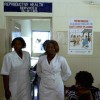
SIERRA LEONE: Defining New Role for Traditional Birth Attendants
Posseh Sesay will never be able to bear children again following a tragic birthing experience at the hands of her village traditional birth attendant (TBA).ZIMBABWE: ‘Free’ Maternal Health Care Too Costly For Most
As African Union heads of state consider child and maternal health at the 2010 summit in Kampala, Uganda, the perennial question of user fees has reared its head in Zimbabwe. Fees for services are opening a growing gap between policy and implementation in maternal health care in the Southern African country.ZIMBABWE: Veggies Dried and Tasted
A resurgence of interest in dried traditional vegetables has opened up a market opportunity for women entrepreneurs in Zimbabwe’s second city, Bulawayo.
AFRICA: “Everything but Arms Deal Doesn’t Benefit Enough People”
The Everything but Arms trade initiative, which provides preferential treatment to poor countries, benefits only a limited range of people in the target populations. It should also be expanded to more countries, civil society organisations say.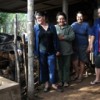
PARAGUAY: Women Manage Dairy for Self-Sufficiency
A year ago, Ramona Pereira was stuck with humdrum domestic drudgery in a rural village in Paraguay. Now she is the leader of a committee of women dairy producers in her community, and at 38 she feels like a new woman.
DEVELOPMENT-ZIMBABWE: “Competing With the Dogs for Bones”
"People used to mock me, saying that I am competing with dogs for bones, but these taunts do not deter me," says Sibongile Mararike with no sign of rancour.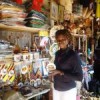
UGANDA: Getting the Common Market to Benefit the Common Woman
July 1 marked the moment when the East African Community common market protocol kicked into operation. But Ugandan women face several obstacles before they will benefit from the boost that the protocol gives to the free movement of goods, labour and capital.
Despite Gains, South Korean Women Still Struggle for Equality
Forty-six year-old language professor Kwon Hye Yang views her life as a typical example of the growing confidence of modern women in her home country, South Korea.SPAIN: Women Entrepreneurs Pledge Support for African Counterparts
Senegalese businesswoman Marie Thiaré makes her business cards by hand, because she has no way to have them printed -- a sharp contrast with the situation faced by women entrepreneurs in Europe, where it is easy to order business cards, and most people even have their own home computer and printer.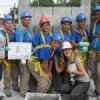
Brick by Brick, Women Builders Make Their Way in Brazil
It looks like any other construction site: wheelbarrows full of bricks, boards and steel bars trundling back and forth to a soundtrack of hammering, sawing and drilling. But there is a difference: some of the construction workers underneath the hard hats are women.
DEVELOPMENT-ZIMBABWE: Selling Scrap Metal to Scrape By
Gugulethu Mkhwananzi is another one of the many unemployed women who have become features of everyday life in Bulawayo’s poor working class suburbs as she moves from house to house, looking for "rusted gold", or scrap metal.« Previous Page — Next Page »


Around the world, women make great contributions to different economies. From the field of business, to carrying the bulk of unpaid care, women are essential to economic growth. However, due to gender inequality, women face economic discrimination. Taking many forms, including disproportionate wages, greater exposure to vulnerable employment, and reduced economic opportunity, this inequality continues to curtail economic development. Yet women continue to work past these obstacles and reduce this disparity, furthering economic empowerment. These stories help to identify women’s economic struggles, and those that are working towards empowerment.

The Week with IPS

NEXT STOP - SDGs
Tracking global progress towards a sustainable world
