
Saturday, September 5, 2026



News and Views from the Global South
Africa's Young Farmers Seeding the Future

Delivering Promises to Africa’s Smallholder Farmers
Investment in rural infrastructure and support for Africa's millions of small-scale farmers have increased in the past decade. But as these farmers begin to see increased yields, the question of better access to markets comes to the fore.
Coffee Time in Uganda
Uganda, Africa's biggest coffee exporter, is racing against time to boost its production of the crop by 60,000 tonnes, or one million 60-kilogramme bags, within the next three years. But some industry players believe that the feat is unattainable.
Arab Spring Teaches Food Security
African leaders should take note of the lessons learned from the Arab Spring and realise that ensuring good governance and food security will avoid crises on the continent, says Kofi Annan, chairman of the Africa Green Revolution Alliance.
Giving Women Farmers the Tools to Prevent Food Insecurity
If women had equal access to productive farming resources, they could increase their yields by 20 to 30 percent and potentially raise total agricultural output in developing countries by 2.5 to four percent.
Côte d’Ivoire – New Cassava Varieties Bring Women Autonomy
Women farmers in Côte d'Ivoire are achieving greater autonomy and economic independence thanks to new varieties of cassava.Tractors Revolutionise Agriculture in Chad
Chad has more than 400,000 square kilometres of arable land, but poor rainfall and a reliance on basic agricultural techniques have left the country with a grain deficit in the past two years. The government is turning to mechanisation in a bid to improve harvests.Guinea Grows NERICA Rice to Reduce Dependence on Imports
Kafoumba Koné sounds almost smug. "Our first rice harvest is in, and we're getting ready to plant again," he says, surveying his farm in southeastern Guinea. "Other farmers who have not yet tried NERICA are still preparing for their only harvest of the year."Malian Farmers Want Their Land Back
A group of smallholder farmers in Mali have turned to the courts to try to recover land they say they have lost to big private investors. The legal action comes as foreign investors are losing interest in Mali due to political instability and an armed rebellion in the north.Agricultural Activity to Slow Clandestine Emigration from Senegal
"It was Ibrahima Sarr, a friend and fellow fisherman, who got me involved with smuggling people across the seas." Senegalese fisherman Doudou Ndoye speaks with the bittersweet conviction of a man redeemed.
Forcing South Sudan’s Idle Youth into Farming
Police in South Sudan have begun press-ganging every "idle" youth they can find to provide labour on police farms. The State Police Commissioner in Northern Bahr al Gazal state says young men cannot be left to drink tea and play cards all day while food insecurity threatens the country.
Thousands of Senegalese Producers Living off Market Gardening
Thousands of farmers are earning a living growing fruit and vegetables in the Niayes, a strip of fertile land running north along Senegal's western coastline from the outskirts of the capital, Dakar. But land speculation threatens the future of this market gardening.A Green Gold Mine in the Heart of the DRC Capital
A disused cemetery in the heart of Kinshasa, the capital of the Democratic Republic of Congo, has been transformed into a profitable urban garden. Relying on compost they make themselves on the site, a small group of gardeners are enjoying plentiful returns.
Men and Women Farming Together Can Eradicate Hunger
Three years ago, the residents of the semi-arid Yatta district in Kenya’s Eastern Province lived on food aid due to dwindling crops of maize that could not thrive because of the decreased rainfall in the area. That was until a local bishop, trying to find ways to prevent mothers from forcing their teenage daughters into prostitution, changed everything.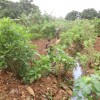
Farming Among the Waste in Cameroon
Cameroonian urban famer Juliana Numfor has six plots of land where she grows maize, cassava, sweet potatoes and leafy vegetables, including cabbages, wild okra and greens.Biomass Plant Lights up Rural Senegal
A new power plant in the eastern Senegalese village of Kalom is generating more than just electricity. Powered by agricultural waste, the station has lit up homes, lightened women's domestic burdens and even put a little money in some residents' pockets.Filling the Granaries in Burkina Faso
The seeds were sown, and the harvest is beginning to come in. Burkina Faso farmers are reaping the benefits of their government's programme to develop and popularise improved varieties of maize.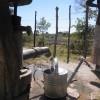
Q&A: Smallholder Farmers Driving New Trend Against Climate Change
Small-scale irrigation schemes can provide the biggest opportunity for boosting food security in Africa, according to Meredith Giordano, the research director at the International Water Management Institute.
“Operation No Back Way to Europe” Keeps Young Farmers at Home in Gambia
Mohamed Ceesay, a 20-year-old farmer from the Central River Region in the Gambia, is a high school dropout. But thanks to an initiative to discourage local youths from emigrating to Europe, he earns almost half the salary of a government minister from his rice harvest.Getting a Grip on Food Security in DR Congo
The Association for Integrated Rural Development is one of a number of rural organisations on the periphery of Kinshasa, the capital of the Democratic Republic of Congo, which are strengthening the city's food security while demonstrating how to maximise sustainable use of agricultural land.Mauritania’s Date Palms, Cultural Heritage and Means of Survival
"The palm tree is a means of survival," said Tahya Mint Mohamed, a 44-year-old Mauritanian farmer and mother of three children. “We eat its dates; we make mats, beds and chairs from palms; the leaves are also used to make baskets and to feed our livestock.”Food Security and the Failure of Mechanisation in DRC
Mechanisation was expected to transform agriculture in the Democratic Republic of Congo's central province of East Kasaï. But a project to offer tractors for ploughing land has fallen flat.« Previous Page — Next Page »


While agriculture and smallholder farmers in many African countries form the bedrock of the economy, the youth hold the keys to the continent's future. And throughout the region, particularly in Central and Western Africa, we find young farmers playing a crucial role in the continent's economic growth. In our coverage, IPS raises the voices of these young farmers and showcases their innovative solutions to increasing agricultural productivity in Africa, taking into account factors like climate change, agricultural investment, access to credit, trade and market niches.

The Week with IPS

Tracking global progress towards a sustainable world

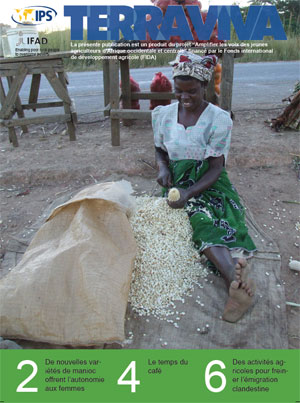
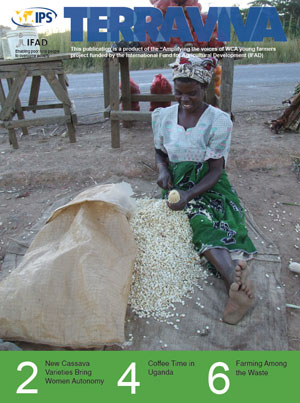


Investing in the youth - a risk worth taking; Fulgence Zamblé
Focus must be on the Youth; Lamin Cham
Benin Youth drives African innovation Tinus de Jager
Benin's Songhai Centre - ancient name, new vision; Arsène Séverin
Youth hold the key to Africa's crops; Sam Olukoya
Entrepreneurs could develop Africa and the World; Charles Mushizi
Youth in Agricultural Entrepreneurship; Badylon Kawanda Bakiman
Young innovators lead the way; Célia Faconam Dédé
Youth gather in Benin for agriculture conference; Vital U. Ahotondji

